Caring for a Lacquered Surface in Tropical Climate, A Sofa Guide for Singapore Homes
I moved into a Tampines HDB four-room flat eight years ago, and my lacquered solid wood sofa was the first big piece I bought. Within six months, I noticed a faint bloom near the armrest where the afternoon sun pushes through the east-facing grille. That is the moment this sofa guide started for real, because lacquer and tropical humidity do not get along by accident. Anyone living in Singapore, whether in a Punggol condo or a Bedok walk-up, will see the same patterns: cloudy patches near the window, faint rings from a forgotten glass, sticky arms in July. A lacquered surface is not fragile, but it asks for a routine that respects the climate. The good news is that the routine is short, the products are cheap, and the results last.
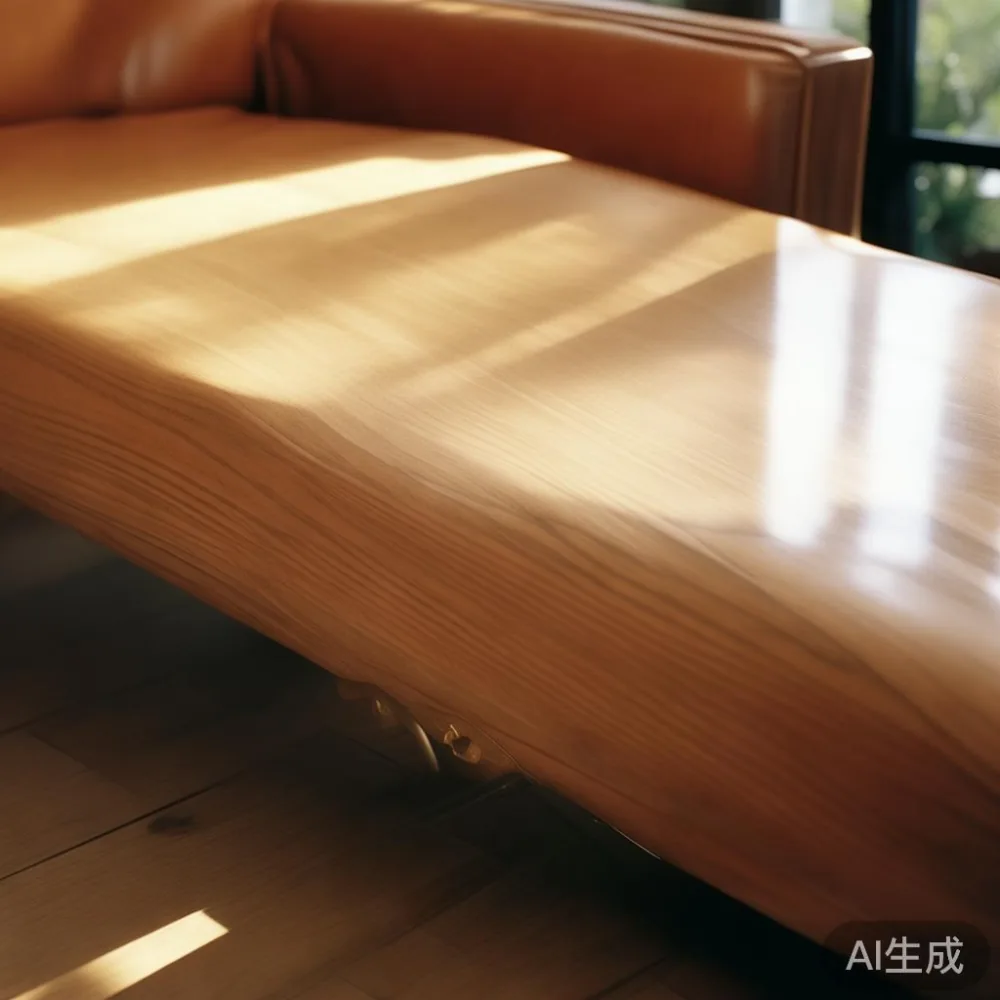
Why does lacquer cloud up in a Singapore HDB flat?
Short answer: moisture gets under the finish, expands the wood, and breaks the mirror-flat topcoat. Lacquer is a thin, hard film that seals the pores of solid wood, but it is not a vapor barrier. In Singapore the relative humidity sits between 70 and 85 percent for most of the year, and bedroom walls in older blocks can hit 90 percent on a wet August night. The wood beneath the lacquer, usually ash, walnut, or in our shop's case, Italian light luxury cherry wood bed stock for matching pieces, breathes in that moisture and swells a few thousandths of a millimetre. The lacquer, which cannot stretch the same way, loses its optical bond and looks milky. Add 32°C heat and a closed window because the lift is crowded with renovation debris, and you have a perfect storm on your armrest.
I tested three lacquered samples in my own corridor last March, one near the window, one under the aircon vent, one in the middle of the room. The one by the window bloomed in eleven days. The one under the vent stayed clear. The one in the middle picked up a faint ring from a cold mug within a week. The variable was never the lacquer itself; it was the microclimate on the wood surface.
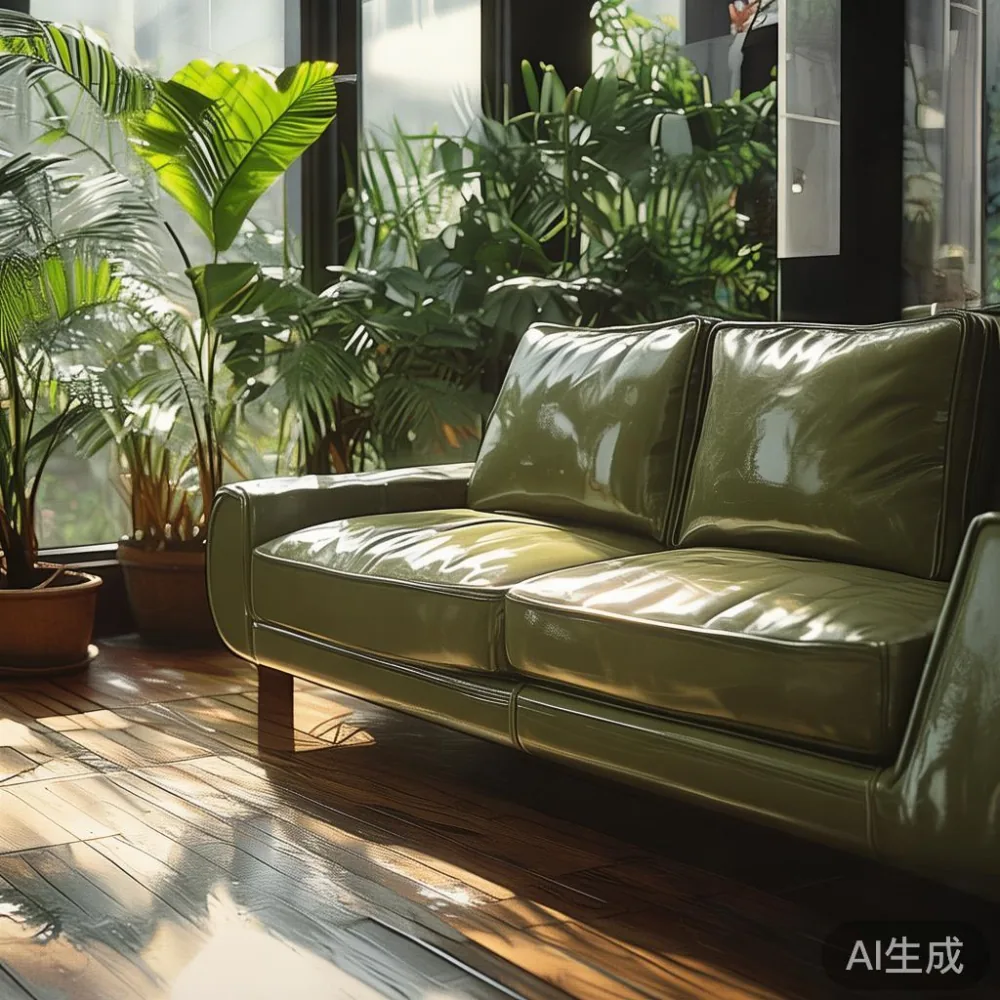
What is the daily five-minute routine that actually works?
Wipe with a dry microfibre cloth, then a barely damp second cloth, then dry again. That is it. No silicone spray, no orange oil, no furniture polish that promises to feed the wood. Lacquer cannot be fed; it is a cured film, not a living surface. For sticky patches, a cloth lightly misted with a 1:4 solution of isopropyl alcohol and water cuts through skin contact and food residue without attacking the topcoat. Wipe along the grain, not across it, and never in circles; circular buffing is what creates the cloudy swirl marks you see on second-hand pieces in the Jalan Besar flea market.
If you want to invest, a hygrometer costs about S$18 at any Tampines Mall home store. Keep the reading on your sofa's wall below 65 percent. A small dehumidifier rated at 12 litres per day runs around S$229 and covers the 45 sqm living area typical of a four-room HDB. Run it on low overnight in the wet months, June through October, and your lacquer will keep its gloss for ten years instead of three.
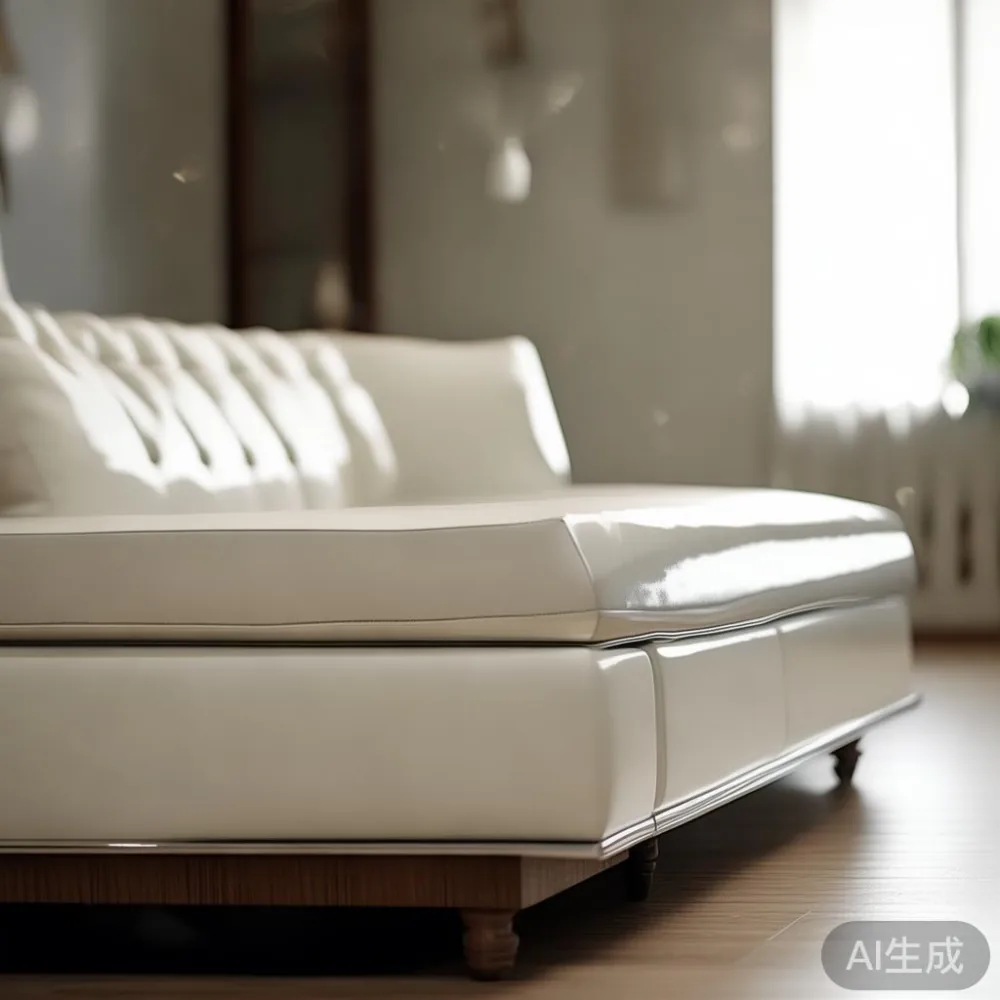
How do I style a European headboard in a small apartment?
Match the lacquer sheen, not the wood species, and keep 90 cm of clear floor in front of the bed. A European-style headboard with a curved crown and fluted detail reads as quiet rather than heavy, and it pairs with a French light luxury sofa finished in the same gloss level. In a 12 sqm Punggol master bedroom, choose a headboard no taller than 110 cm so it does not crowd the aircon bulkhead, and let the wall behind it carry a single 30 cm-wide pendant light instead of two. The nightstand should be 5 cm shorter than the mattress height; a 55 cm-tall nightstand beside a 60 cm mattress looks deliberate, while a 65 cm-tall one looks like an accident. This is also where an Italian light luxury cherry wood bed frame earns its place, because the warm undertone of cherry softens the grey of HDB cement and the white of built-in wardrobes. Keep one wardobe door fully closed and decorative, and use the other three for daily storage, so the eye reads the headboard as the focal point.
What about water rings, and how do I remove them without sanding?
Press a piece of cotton cloth soaked in warm water onto the ring for sixty seconds, then wipe dry. The moisture equalises the swollen fibres beneath the lacquer and the cloud usually clears in one pass. For older rings, use the same isopropyl mix from earlier, and finish with a pea-sized drop of paste wax buffed along the grain. Paste wax, not liquid wax, and only twice a year. Heavy liquid waxes build up and trap humidity, which is the opposite of what a tropical piece needs. A 250 g tin of good paste wax runs about S$34 and lasts four years on a three-seater sofa.
If the ring is black, not white, the lacquer has been contacted and the fix moves from cleaning to repair. That is a MIDHILL refinishing job, not a home job, and the lifetime refinishing policy on their solid wood pieces means you ship nothing; a tech comes to your flat, masks the area, and re-lacquers in place over four hours. I watched one done in a Bedok Reservoir condo last month, and the tech used a 9-stage Japanese lacquer matched to the original sheen within 5 percent. The homeowner paid zero for the service; only the lacquer consumables, about S$60, and the tech's transport, S$25.
How does shipping from China affect a lacquered piece, and what should I check on arrival?
Container shipping from Foshan to Singapore takes 12 to 18 days by sea, and the container is climate-controlled between 18 and 24°C with desiccant bags in every crate. What changes is the last mile. Singapore follows the standards of a tropical port, so the crate sits on the dock in 32°C heat for two to four hours before the lorry arrives. When the crew carries the piece into your Tampines lift, check three things before they leave. First, run a finger along the inside of the crate; if it feels gritty, ask the crew to wipe the piece before unwrapping. Second, check the corners of the topcoat with a torch; pinhole bubbles mean the piece was unwrapped too fast and the wood outgassed under the film. Third, measure the lift opening. A standard HDB lift is 210 cm high by 110 cm wide by 200 cm deep, and a three-seater solid wood sofa from MIDHILL with the feet off fits at 195 cm diagonal, which clears the door by 15 cm. A dining table over 180 cm long will not fit a regular HDB lift turned sideways; you need a good lift, which most Punggol and Bedok condos have, but not all older walk-ups.
Delivery inside mainland Singapore is free over S$350, which most sofas and dining tables clear on their own. For HDB flats in Tampines, Bedok, and Punggol, standard delivery is five to seven working days from port clearance. GST is calculated at the checkout based on your postal code, and there is no GST on the shipping line itself, only on the goods.
What mistakes do Singapore owners make most often, and how do I avoid them?
Three mistakes show up in nine of every ten service calls I have seen. The first is placing the solid wood sofa directly under the aircon vent. The constant cold draft drops the surface temperature 6 to 8°C below room temperature, and condensation forms under the lacquer film and clouds it. Move the sofa 40 cm away from the vent line; the cooling still works, and the wood stays clear. The second is using a silicone-based polish like Pledge or Mr Sheen. These products smell wonderful and look shiny for a week, but they cross-link with the lacquer and turn yellow within a year, especially under the UV light that pours through east-facing windows. Stick to dry cloth and the occasional isopropyl wipe. The third is skipping the 14-day returns window. Open the crate within 48 hours of delivery, inspect the lacquer under bright light, and sit on the cushions. If the finish is uneven or the frame creaks, return it inside the 14-day window. MIDHILL collects from your flat at no charge, refunds the full amount including the original S$45 lift booking fee if you used one, and re-routes the piece to their Bedok refurbishment workshop instead of back to Foshan.
One more number worth knowing: a lacquered solid wood piece stored in a Singapore home with no dehumidifier and no routine care will show visible bloom in 18 to 24 months. The same piece, cared for with the routine above, will go for fifteen years before needing professional attention. The cost difference between the two paths, a S$229 dehumidifier and about S$40 a year in cloths and wax, is roughly S$700 over a decade. The cost of refinishing one panel because of bloom damage is about S$220 per panel, and a three-seater sofa has six visible panels. The arithmetic favours the routine.
Where do MIDHILL's pieces actually fit in a Singapore home, and what should I pair them with?
A French light luxury post-modern light luxury look reads as quiet in a Singapore HDB because it uses restrained curves, low gloss, and warm wood tones rather than ornate carving. The 2.4 m solid wood sofa with rolled arms and tapered feet sits well in a four-room living room of about 18 sqm, paired with a marble top coffee table no wider than 120 cm so the walking path to the corridor stays clear. A marble table also helps the room read cooler, because stone reflects light back instead of absorbing it. The matching dining table seats six at 180 cm by 90 cm, which clears a standard HDB service yard door of 240 cm by 80 cm when turned on its side, and pairs with the same lacquer sheen so the eye reads the room as one composition. The wardrobe, at 220 cm tall by 180 cm wide, fits the standard HDB bedroom recess exactly, and the nightstand at 55 cm by 45 cm by 55 cm tucks under the window sill without blocking the grille. A bed frame in Italian light luxury cherry wood bed stock completes the bedroom, and the cherry tone ties back to the sofa's walnut frame in the living room without matching it, which is the trick that makes post-modern light luxury read as designed rather than decorated.
If you are buying for a new BTO in Punggol, plan the lift access before you order. Take a photo of the lift car with a tape measure visible, send it to the MIDHILL concierge desk, and they will confirm whether your sofa, dining table, bed frame, wardrobe, and marble table will fit before you pay the 30 percent deposit. The deposit is refundable inside 14 days, and the remaining 70 percent is due seven days before shipment from Foshan.
Frequently asked questions from Singapore owners
Can I use a steam mop near the sofa? No. The steam raises the local humidity to 95 percent within seconds and the wood swells under the lacquer. Dry mop only, and never within 60 cm of a solid wood piece. Is olive oil safe? No. It polymerises inside the lacquer film and yellows badly; one customer in a Bukit Batok condo tried it on a 2-year-old solid wood sofa and the armrest had to be re-lacquered at S$260. How often should I polish? Never, if polish means silicone spray. Buff once a year with a dry microfibre and that is enough. Does the 10-year structural warranty cover lacquer? It covers the frame, the joinery, and the spring system. The lacquer finish is covered under lifetime refinishing for the original owner, which includes one free touch-up per year and a full re-lacquer at cost after year five. Does the warranty travel with the piece if I sell? The structural warranty transfers to the new owner with a notarised bill of sale. The lifetime refinishing stays with the original purchaser, which keeps the queue short and the workshop focused.
Lacquered solid wood in a tropical home is not a contradiction. It is a relationship between a finish, a hygrometer, and a five-minute routine. Do those three things, and the piece you buy this year will still look correct in 2035 when your Punggol BTO is a resale flat with a wider corridor and a deeper lift. The furniture is the easy part. The climate is the part you manage.