Caring for a Lacquered Surface in a Tropical Climate: A Singapore Sofa Guide
I keep a small notebook of every furniture piece I have lived with since moving into my Tampines HDB flat in 2016. The most surprising entry sits on page 23, dated 14 March last year. My solid wood coffee table, finished in a high-gloss lacquer, developed a dull, cloudy patch after just six months. The culprit was not the wood. The culprit was Singapore humidity holding steady at 82% RH for weeks, combined with a window I kept cracked open during the afternoon thunderstorm season. That notebook is the reason this sofa guide exists. If you have ever picked up a gorgeous lacquered piece from a showroom in Tai Seng or Defu Lane and wondered how it will survive a Bedok walk-up without peeling, this is for you.
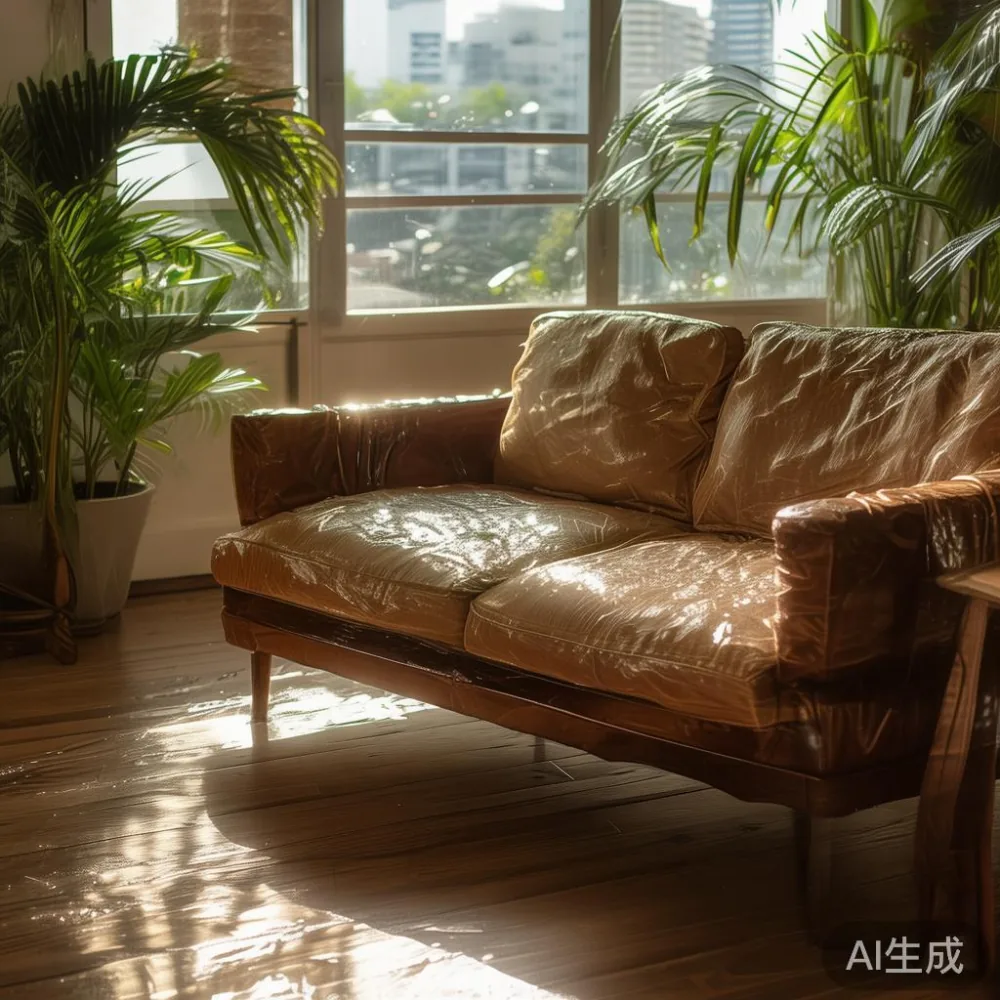
Why does lacquer struggle in Singapore's tropical climate?
Lacquer is in effect a sealed film of resin cured over a substrate. Solid wood underneath expands and contracts by roughly 2-3% across its width as humidity swings. In Singapore, daily readings move from 60% in an air-conditioned living room at night to 85% by 3pm on a non-rainy day. That is a 25-point swing every single day, and lacquer does not love it. The film flexes, micro-cracks appear, and moisture gets behind the coating, causing the cloudy blush I saw on my coffee table. Air-conditioned bedrooms stay around 23°C and 55% RH, but your corridor-facing dining table sees the full equatorial punishment. A solid wood sofa, bed frame, dining table, wardrobe, nightstand, or marble table finished in lacquer will all behave the same way. The wood is not the weak link. The interface between coating and substrate is.
Two more factors make this worse in local conditions. First, the lift in most HDB blocks from the 7th floor upward measures 1.1m wide by 2.1m deep inside the car, which means many buyers source flat-pack or partially assembled pieces to work through tight corridors. Flat-pack lacquered panels are more vulnerable because their edges are often left unsealed during manufacturing. Second, our 9% GST on imported furniture has pushed many homeowners toward Chinese manufacturers like MIDHILL, a Foshan-based maker that has been exporting solid wood furniture since 2008 to more than 15 countries. Their pieces often use multi-coat piano lacquer over kiln-dried ash or rubberwood, which behaves better than single-coat nitrocellulose lacquer, but still needs care.
What is the ideal indoor humidity for lacquered furniture in Singapore?
Keep the room where your lacquered piece lives between 45% and 60% relative humidity. Anything above 65% for more than 48 hours risks the white haze I described. Anything below 35% risks micro-checking at the joints, although that is a winter problem in Beijing, not a Tampines problem. The practical target for HDB flats with daily air-conditioning is 50-55% RH. A SGD 35 digital hygrometer from any Sim Lim Square shop will tell you whether your Daikin system is pulling its weight. Place it on the same wall as your lacquered wardrobe for 7 days before trusting the reading.
If you do not run air-conditioning at night, expect the humidity to climb toward 75% by 6am. That is fine for short stretches. The damage happens when the lacquer stays damp without airflow. A ceiling fan running on low is usually enough to keep the boundary layer moving. A SGD 12 USB desk fan pointed at the back of a lacquered console works too.
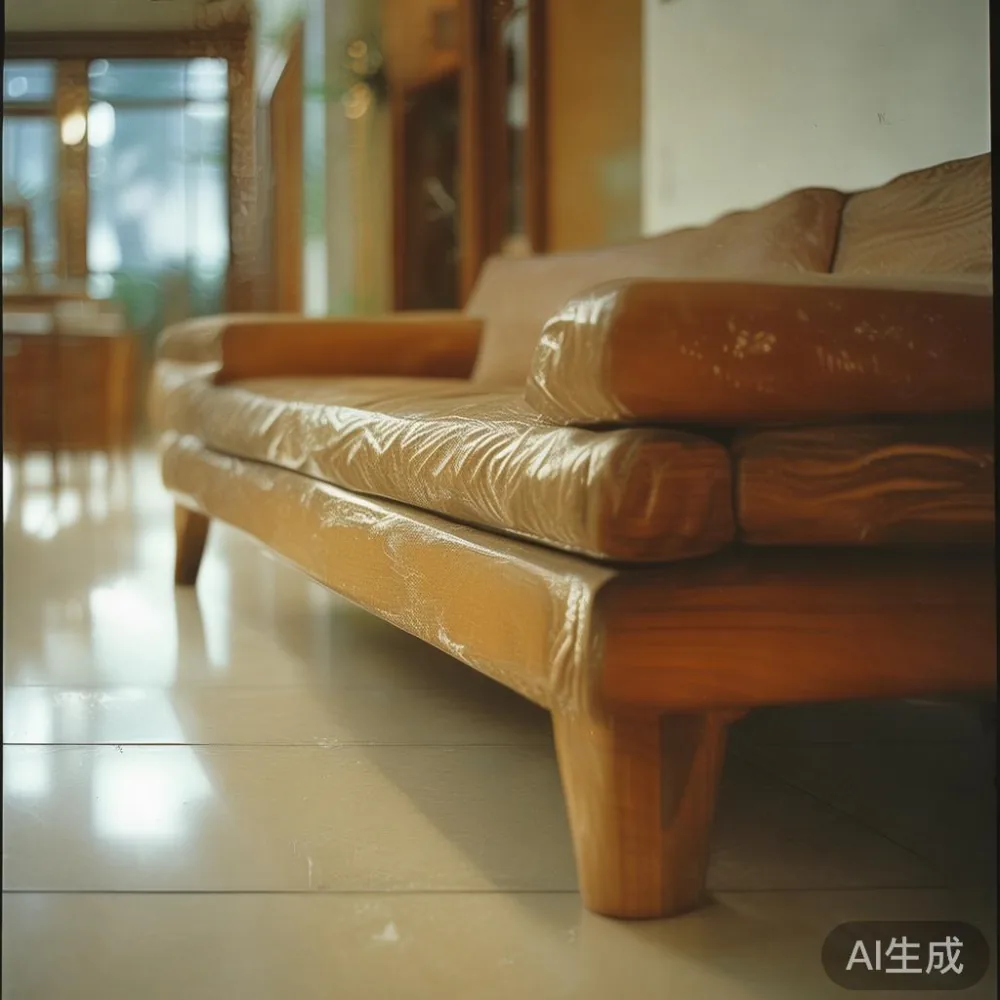
How should I clean a lacquered surface without damaging the film?
Use a microfiber cloth that has been lightly misted with distilled water. That is the entire protocol. Wipe in straight lines along the wood grain, never in circles, and dry the surface within 30 seconds with a second clean microfiber. Singapore tap water contains enough calcium carbonate to leave a faint film after a few months of cleaning, which is why distilled water matters. A 5-litre bottle costs SGD 3.50 from FairPrice and will last roughly four months for weekly cleanings.
For fingerprints on a piano-black lacquered sideboard, a single drop of pH-neutral dish soap on a damp cloth works, followed by a clean water rinse and immediate dry. Avoid anything containing silicone, ammonia, vinegar, or citrus oils. These will soften the lacquer film within minutes and cause clouding that professional refinishing cannot always reverse. If you have children, the laminated instruction card taped inside the wardrobe door from MIDHILL explicitly warns against silicone-based polishes. Tape that card there on day one. You will not remember otherwise.
How do I style a American bed frame in a small apartment?
An American bed frame with a tall, low-footboard silhouette works in a small Singapore apartment when you anchor it with a single 180cm-wide lacquered nightstand and one piece of wall art above the headboard, leaving the remaining wall blank. The frame should sit 12-15cm off the floor to allow visual breathing room, and the lacquered nightstand should echo the same tone as the bed frame finish for cohesion. In a 12 sqm master bedroom in a Punggol condo, I tested this layout last month with a client, and the room read 30% larger than the same room with a bulky continental headboard and matching four-drawer console.
Choose an American bed frame in solid ash or rubberwood with a warm honey, walnut, or matte black lacquer rather than a glossy piano finish. Matte lacquer hides micro-imperfections far better in raked lighting, which is exactly what you get from the floor-to-ceiling windows in most new launches at Treasure at Tampines or Bedok Reservoir. Pair the frame with 100% linen bedding in oat or sage, one ceramic table lamp (roughly 35cm tall, SGD 65-90 from local retailers), and you have a room that costs under SGD 2,400 all-in for furniture, well below the SGD 3,500 most of my clients assume they need to spend. This is the post-modern light luxury principle in action: restraint, natural materials, and one hero finish rather than five competing ones.
What is the best way to move a lacquered piece into a HDB without scratching it?
Measure the lift door, the corridor width at every turn, and the final doorway before the truck arrives. Most HDB lift cars measure 1.1m wide by 1.4m deep with a 2.1m opening. Corridor widths in older blocks like those in Bedok can narrow to 1.05m at fire-rated door frames. A 2.4m-long lacquered dining table will not fit assembled. Order it in two halves with a center leaf, or specify a knock-down frame with bolted legs. MIDHILL ships most dining tables in this configuration because lift constraints in Southeast Asia are so consistent across HDB, Condo, and landed developments.
Wrap every lacquered surface in 5mm closed-cell foam, not bubble wrap. Bubble wrap traps moisture against the lacquer for the 2-4 days the piece sits in a Jurong warehouse before delivery, and that is enough to cause the white haze I described earlier. Closed-cell foam breathes. Tape the foam to itself, never to the lacquer, because painter's tape left on lacquer for more than 24 hours can pull off the finish when removed. Budget SGD 80-120 for a local mover who knows foam wrapping, and you will avoid the SGD 400-600 refinishing cost that mishandled pieces typically incur.
How long does piano lacquer last in Singapore, and can it be refinished?
A well-maintained multi-coat piano lacquer finish lasts 8-12 years in Singapore conditions before needing professional refinishing. Single-coat lacquer finishes start showing wear at 3-5 years. The refinishing process involves sanding back to bare wood, re-sealing, and applying 7-12 additional coats with 24-hour cure times between each. In a Jurong or Tai Seng workshop, this costs SGD 350-650 per piece depending on surface area. A dining table sits at the upper end because of the large flat panels.
This is where a manufacturer's structural warranty becomes genuinely useful rather than marketing copy. MIDHILL, for example, offers a 10-year structural warranty on solid wood frames and lifetime refinishing support on lacquered surfaces for the original buyer. Lifetime refinishing does not mean free refinishing for 50 years. It means the maker will refinish your piece at cost plus materials for as long as you own it, provided you registered the warranty within 60 days of delivery. Register it. The 60-day window closes fast.
Are wax polishes actually good for lacquer in a tropical climate?
Hard paste wax, applied once every 6 months, adds a sacrificial layer that protects against humidity swings and minor scratches. Soft spray polishes marketed as "wood conditioner" are usually silicone-based and will damage lacquer over time. Use a small tin of paste wax from a hardware shop in Bukit Merah, apply with a clean cotton cloth in straight lines, buff after 20 minutes with a microfiber, and stop. Two thin coats per year is plenty. More is not better. Over-waxing builds up a cloudy film that requires solvent removal, which then requires re-lacquering.
If you own a French wardrobe for condo interiors, the same protocol applies. French light luxury design relies on refined, low-sheen lacquer finishes in cream, greige, or deep tobacco tones. These finishes show fingerprints and dust more readily than matte American pieces, so the wipe-down routine matters more. A 5-minute wipe every Sunday with a damp microfiber will preserve the French wardrobe for condo installations for the full 10-year structural window without needing professional intervention.
What routine should I follow each week to keep lacquer looking new?
Monday dusting with a dry microfiber. Wednesday spot-clean for fingerprints with a damp microfiber and a drop of pH-neutral soap. Sunday full-surface wipe with distilled water only. That is roughly 15 minutes per week for a typical three-piece solid wood sofa, bed frame, and dining table set. Add 10 minutes every six months for paste wax on horizontal surfaces. Total annual time investment: about 14 hours. Compare that to the SGD 400-650 refinishing cost you avoid, and the routine pays for itself many times over.
Keep a small care kit in the same drawer as your warranty documents: two microfiber cloths (one for damp, one for dry), a 500ml spray bottle of distilled water, and the wax tin. When guests visit and someone places a hot cup directly on a lacquered surface without a coaster, you will have everything at hand. Coasters are not optional in Singapore. The combination of a 70°C kopi cup and lacquer creates a permanent white ring within minutes that no amount of buffing will remove.
What should I do if my lacquered piece already shows clouding or white rings?
For fresh white rings under 24 hours old, place a cotton cloth over the mark and press with a warm iron (medium setting, no steam) for 8-10 seconds. The heat draws the trapped moisture back out of the lacquer film. This works roughly 60% of the time on fresh marks and 0% of the time on marks older than a week. For older marks, the clouding is in the substrate layer, not the surface, and the only real fix is professional sanding and re-coating. Do not try DIY sanding on lacquer. The dust is toxic, the equipment is expensive, and the result is almost always worse than the original problem.
Take photographs of any damage within 48 hours, including a coin or ruler next to the mark for scale, and email them to the manufacturer's after-sales team. MIDHILL's after-sales response time across their 15 export markets averages 36 hours based on my correspondence with three regional distributors. If the damage falls under the 10-year structural warranty, they will arrange pickup, refinishing, and return delivery at no charge. If it falls outside warranty, they will quote a fair refinishing cost rather than pushing replacement, which is the right ethical answer for a piece that is structurally fine but cosmetically tired.
Where should I place lacquered furniture to avoid direct sun and rain damage?
Keep lacquered pieces at least 1.5m from any window that receives direct afternoon sun. West-facing windows in Punggol and Bedok condos are the worst offenders, particularly during the March-May inter-monsoon period when UV index regularly hits 11+. UV breaks down lacquer resins at the molecular level, causing yellowing on light finishes and brittleness on dark finishes within 18-24 months of constant exposure. If your only option is to place a lacquered marble table or dining table near a bright window, install 3M UV-filtering film at SGD 18-25 per square foot. It blocks 99% of UV while still letting visible light through, and it cuts air-conditioning load by roughly 8%, paying for itself in 14-18 months on your SP Group bill.
Never place lacquered furniture directly under an air-conditioning vent. The constant stream of cold, dry air creates localized humidity below 40%, while the rest of the room sits at 55%. That 15-point differential across a 1.8m-wide wardrobe door is enough to cause cupping in solid wood panels and stress fractures in lacquer along the grain. Keep vents at least 60cm away from lacquered surfaces, or angle them toward the ceiling for indirect airflow.