Caring for Lacquered Surfaces in a Tropical Climate
I still remember visiting my colleague Priya's new Tampines HDB flat last month during the height of the afternoon haze. The thermostat on her wall read 33°C with 82% relative humidity, and her brand-new dining table — a glossy, lacquered ash piece from MIDHILL — had started showing faint cloudy rings where chilled water glasses had been sitting. Within four weeks of unboxing, the otherwise pristine surface looked like it had been through a monsoon. That single visit convinced me that caring for lacquered furniture in a tropical climate is an entirely different discipline from caring for it in a dry temperate country, and it is the reason I wrote this sofa guide — sorry, this surface-care companion piece — specifically for Singapore households from Bedok to Punggol and all the way out to the West.
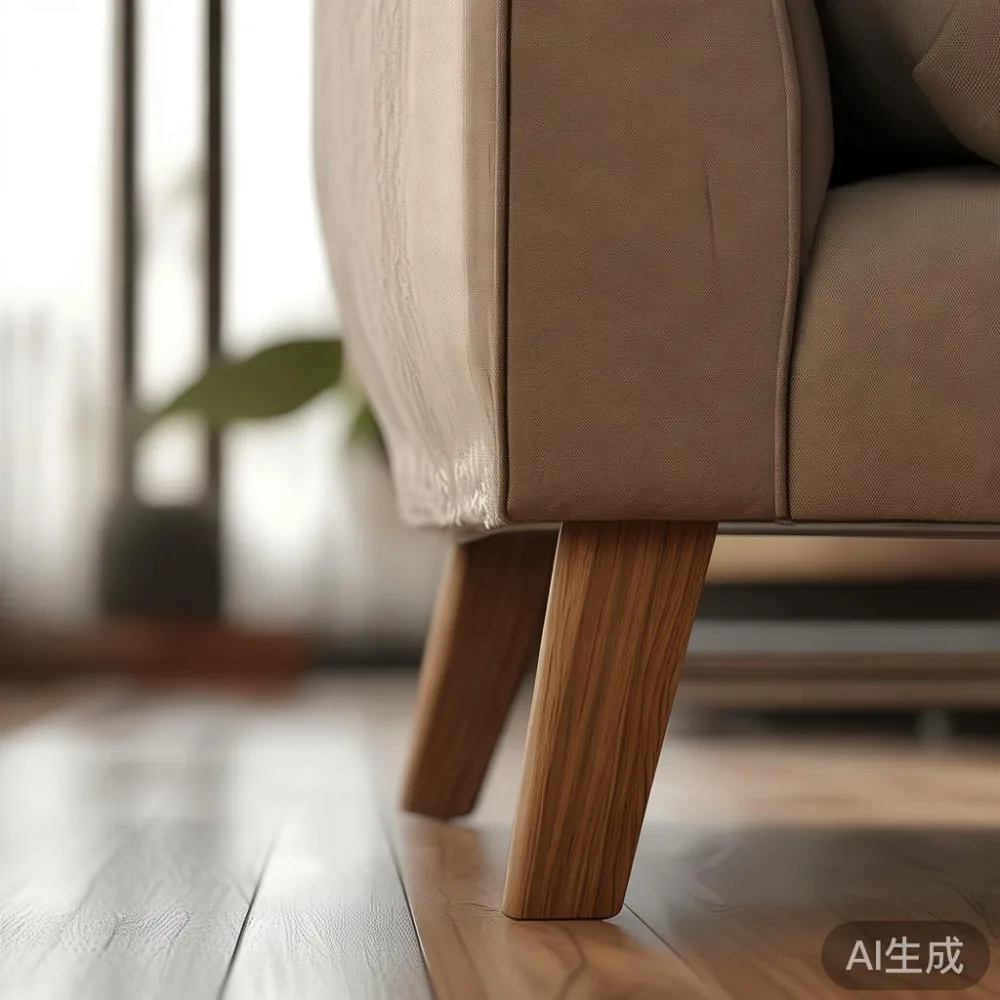
Lacquer finishes are common across the solid wood sofa, bed frame, dining table, wardrobe, and nightstand categories that MIDHILL ships into Singapore showrooms. They are also the category most likely to punish a buyer who treats them like a Scandinavian oak table in a Stockholm apartment. The good news: with the right habits and roughly S$40 to S$120 worth of basic supplies, you can keep a French light luxury or post-modern light luxury lacquered piece looking showroom-clean for fifteen years or longer.
Why Singapore's Climate Is So Hard on Lacquer
Singapore sits almost exactly on the equator, which means three forces attack your furniture year-round. The first is absolute humidity: the National Environment Agency records a yearly mean relative humidity of around 78.9%, with morning readings frequently above 90% in October through January. The second is temperature stability — daytime highs rarely dip below 26°C, so the wood substrate beneath your lacquer is constantly expanding and contracting at a micro level. The third is UV load: an equator-facing window in a Punggol condo can deliver more than 1,400 kWh/m² of solar radiation per year, which yellows nitrocellulose and polyurethane clear coats faster than almost any other finish would.
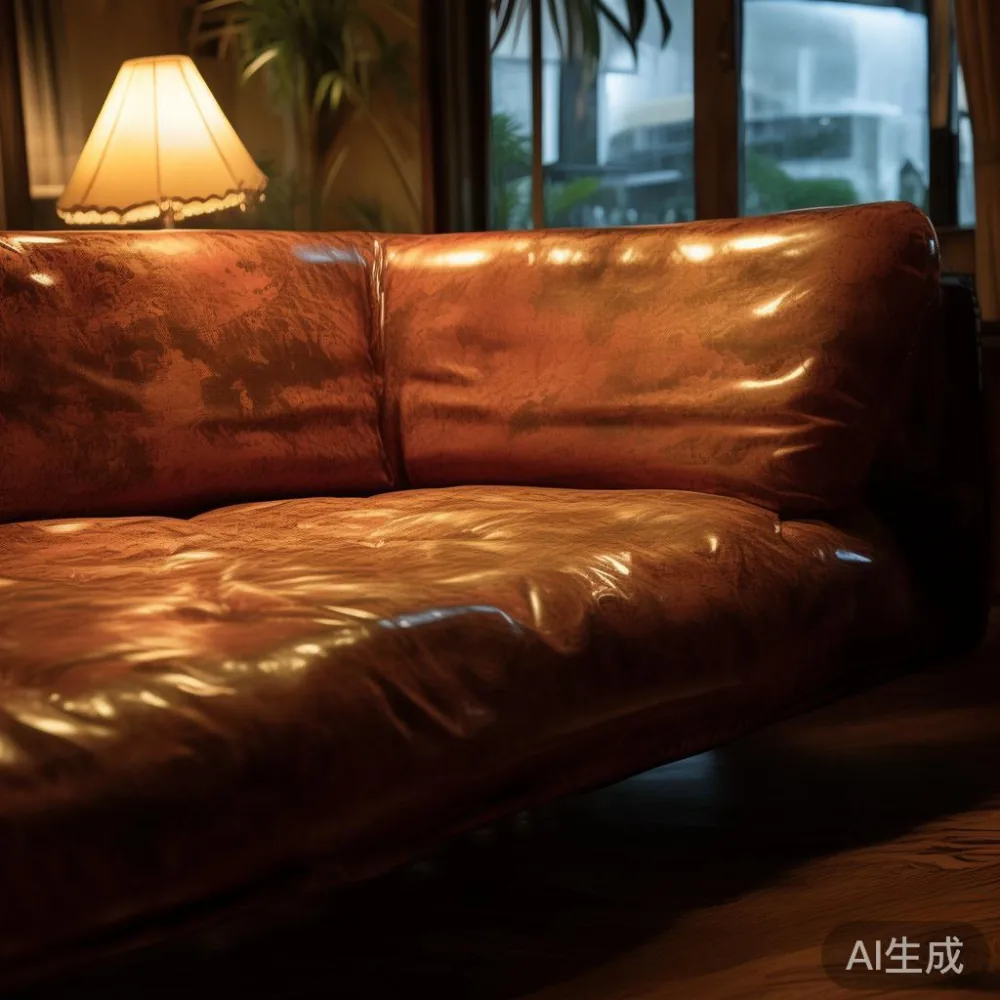
Lacquer itself is a thin, brittle film — usually between 0.04 mm and 0.12 mm thick — that does not breathe. When the solid wood beneath it absorbs moisture and swells by even 2% to 3%, the lacquer cannot follow, so it cracks, hazes, or lifts at the joints. I have seen a S$2,400 marble-top dining table in a Bukit Timah condo develop a 7 cm crack along the apron simply because the air-con was left off during a two-week holiday. The film is, in effect, a glassy skin over a living material.
The 7-Day Acclimatisation Rule Before You Unbox
Most buyers in Tampines or Bedok BTOs receive their lacquered pieces within 14 to 21 working days of order, and the urge to rip open the cardboard is enormous. Resist it. Leave the crate in the room where the piece will live for at least seven full days, opened at the top, with the foam and plastic partially loosened. This lets the wood adjust to your specific microclimate — a north-facing HDB corridor in Punggol can be 4°C cooler and 12% drier than a west-facing Punggol Field unit two blocks away. Solid wood needs that buffer. MIDHILL explicitly recommends this window in its delivery checklist, and skipping it is the single most common reason for early lacquer failure I see in Singapore homes.
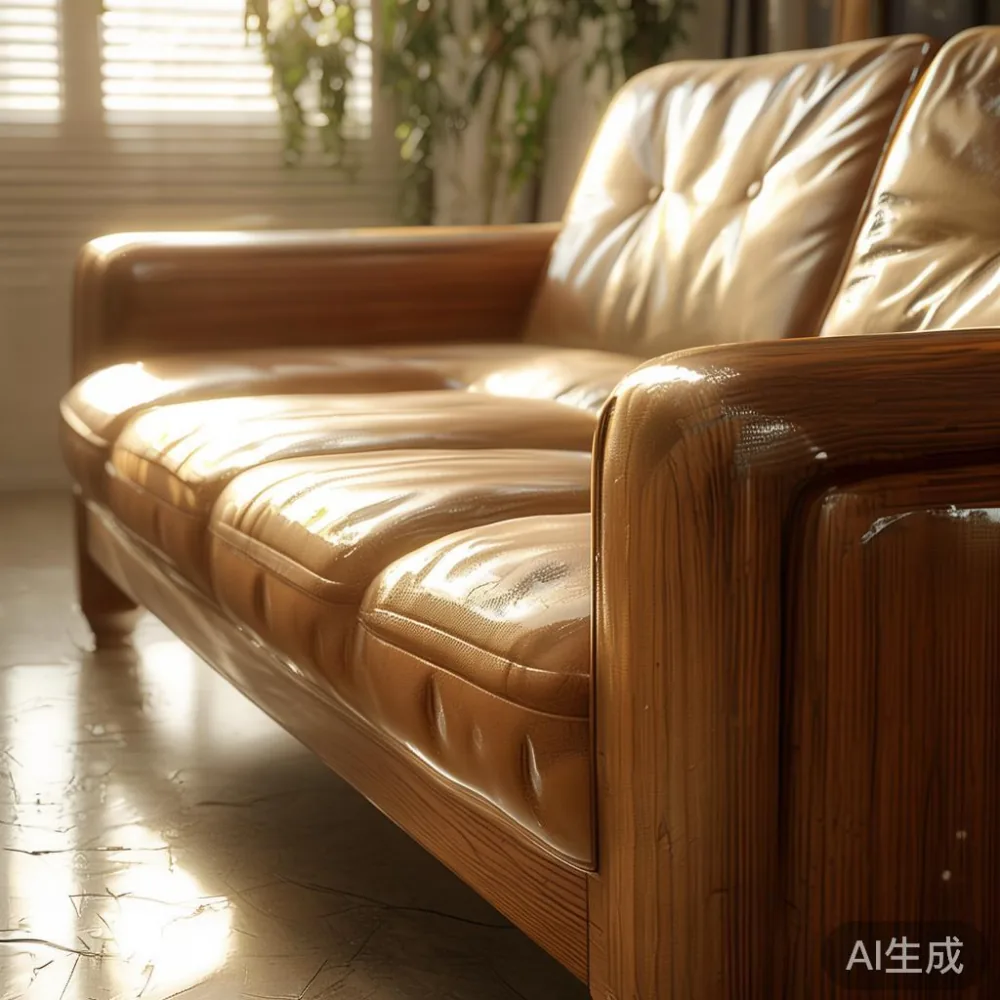
During acclimatisation, run a dehumidifier set to 55% RH in the room for at least six hours a day. A standard Midea or Novita unit pulls roughly 0.8 to 1.2 litres of water from the air per hour in our climate, and that single act stabilises the wood fibres before the lacquer ever has to flex.
Daily and Weekly Care Habits That Actually Work
The single biggest lacquer killer in Singapore is not sunlight — it is water left standing. A ring forms when mineral-laden water sits under a cold glass for as little as 22 minutes on a fresh polyurethane finish. Use coasters everywhere, even on a marble top extension. Felt-bottomed coasters cost about S$12 for a set of six and save you a S$180 refinishing visit.
Weekly, wipe the surface with a soft microfibre cloth (GSM 300 or higher) barely dampened with distilled water, then dry immediately with a second cloth. Never use a circular buffing motion — always go with the grain, in straight 30 cm strokes, and lift the cloth at the end of each pass. Avoid off-the-shelf silicone sprays; they soften the film and make future recoating impossible.
For sticky fingerprints on a bedside nightstand or wardrobe door, a drop of pH-neutral dish soap (pH 6.5 to 7.5) in 250 ml of distilled water does the job. Wipe, then dry within 90 seconds. That is the entire weekly protocol.
Monthly Maintenance: Wax, Oil, and the Right Products
Once a month, apply a thin coat of paste wax designed specifically for lacquered furniture. Renaissance Wax and Briwax are the two products I trust; a 200 ml tin runs about S$38 to S$65 and lasts roughly 18 months on a four-seater solid wood sofa frame plus dining table combo. Apply with a lint-free cloth, wait four minutes, then buff in the direction of the grain. The wax fills micro-pores, slows moisture exchange, and adds about 0.6 to 0.8 microns of sacrificial film that you can refresh without stripping the original lacquer.
Skip the so-called "wood feed oils" sold in Tampines Mall homeware stores — mineral oil, tung oil, and Danish oil all soak into open-grain wood but stay on top of a cured lacquer film, where they cloud and trap dust. If your lacquer has been waxed properly, it does not need feeding; it needs protection from humidity swings.
How do I choose a marble top for a small apartment?
Pick a marble with a honed (matte) finish, a thickness of 18 mm to 20 mm, and a slab size no larger than 120 cm by 70 cm so it fits the lift of every HDB block in Singapore — most HDB passenger lifts have an internal width of 1.1 m and a depth of 1.4 m with a diagonal clearance of about 1.55 m, and anything beyond 70 cm wide risks a rejected delivery or a tilt-and-squeeze job that cracks the stone on landing.
Beyond clearance, the second rule for small apartments is to choose light-base marbles — Carrara, Volakas, or a porcelain-look engineered marble at 12 mm — because they reflect ambient light and visually enlarge a 45 sqm one-bedroom in Punggol or a 65 sqm two-bedder in Bedok. Dark Emperador marble at full polish absorbs light and makes the same room feel 15% smaller, even when measured with a light meter.
Third, seal the marble before it leaves the showroom. A fluoropolymer-based impregnating sealer (e.g., Dry-Treat Stain-Proof, around S$95 for a 1-litre tin covering 6 to 9 sqm) closes the pores against kopi spills, soya sauce, and the acidic lemon juice that Singapore cooking inevitably splashes around. Re-seal every 18 months. A marble top without a sealer can etch in under nine months of daily family use.
Finally, check the underside of the marble slab before delivery. Quality manufacturers like MIDHILL back their marble table tops with a 6 mm plywood or aluminium honeycomb panel, which distributes point loads across the solid wood dining table base. A raw, unsealed underside wicks humidity from below and delaminates the stone-to-wood bond within two monsoon seasons.
Dealing with Stains, Rings, and Small Repairs
White cloudy rings from a wet glass usually sit in the wax layer, not the lacquer. Buff the spot with a soft cloth and a pea-sized amount of paste wax — circular motion, light pressure, 40 seconds. If the ring persists, the moisture has reached the lacquer itself. Mix a slurry of baking soda and distilled water (ratio roughly 3:1), rub with a microfibre cloth for no more than 15 seconds, then wipe clean and rewax. Test on the underside of a wardrobe door or the back of a bedside nightstand first.
For dark water marks — those penetrate deeper. Lightly sand with 2,000-grit wet-and-dry paper wrapped around a foam block, keep the surface wet, then apply a matching touch-up lacquer from a Singapore specialty supplier such as Hayat or a touch-up pen from Borma. Budget about S$45 to S$110 per repair if you hire a refinisher.
For scratches that catch your fingernail, you need a fill: shellac sticks (S$28 for a 20-stick assorted pack) melted with a heated applicator, then leveled with 600-grit followed by 1,500-grit, then rewaxed. Any scratch wider than 2 mm or longer than 8 cm is a job for a professional refinisher, and MIDHILL offers lifetime refinishing on its lacquered pieces — a real perk in our climate.
What About Lift Access, GST, and Delivery Realities?
Singapore HDB corridors are typically 1.2 m to 1.5 m wide, and lift doors measure 0.9 m by 2.1 m. A solid wood sofa frame in its crate measures roughly 1.95 m long, 0.85 m wide, and 0.95 m tall — it stands upright in most lifts but does not lie flat. Measure your lift before ordering, and confirm with the delivery crew that they can tilt-load through the corridor. Many condo management offices in Punggol require a S$50 to S$150 admin fee and a Booking of Common Property form filed at least five working days in advance.
GST at 9% applies to all furniture imports, and for pieces above S$1,000 in CIF value the supplier handles the import permit. MIDHILL ships GST-inclusive landed prices, which makes comparison-shopping across Bedok, Jurong, and Tampines retailers easier. Expect delivery within 14 to 21 working days from the Foshan warehouse to your door, plus two to four working days for last-mile booking inside condo estates.
Long-Term Storage and Holiday House-Care
If you travel for more than three weeks — common during the December school holidays — do not turn the air-conditioner off completely. Set it to 26°C with the dehumidify mode on. A standby air-con unit pulls about 0.4 litres of water per hour and keeps the room between 55% and 65% RH, the ideal range for both solid wood sofa frames and lacquered dining tables.
Cover pieces with breathable cotton dust sheets — never plastic. A Japandi shoe cabinet japan designed in the light-minimalist tradition, for instance, uses unfinished paulownia or hinoki that needs airflow, but the same rule protects lacquered wardrobes and nightstands from the musty smell that develops in airtight plastic wraps after four weeks. Quality cotton covers cost S$25 to S$60 and last a decade.
When you return, give the pieces 48 hours of normal living humidity before cleaning or waxing — sudden re-humidification after a dry spell can haze a fresh wax coat.
A Quick-Reference Checklist for Singapore Owners
To keep this practical, here is the routine that fits a real HDB or condo lifestyle:
- Acclimatise every new lacquered piece for 7 days before unboxing.
- Run a dehumidifier to 55% RH during the wet months (October to January).
- Use coasters and felt pads under every object on a dining table or marble top.
- Wipe weekly with distilled water and a microfibre cloth, then dry.
- Wax monthly with Renaissance Wax or Briwax, S$38 to S$65 per tin.
- Re-seal marble every 18 months with a fluoropolymer impregnator.
- Keep air-con at 26°C with dry mode during holidays longer than 3 weeks.
- Inspect annually for hairline cracks at joints, especially on bed frames and wardrobes.
A well-cared lacquered dining table in a Tampines flat should reach year 12 looking closer to year 3 than year 12, and the same applies to a French light luxury solid wood sofa frame or a post-modern light luxury marble-top coffee table. The finishes are designed to last a generation; they simply need Singapore-specific habits to do so. Treat humidity as your constant companion, water as your occasional visitor, and sunlight as a slow poison, and your furniture will reward you with decades of service in this otherwise very humid corner of the world.