Working through Furniture Warranties Guide
A furniture warranty is easy to misunderstand until a sofa frame cracks, a dining table develops a split, or a wardrobe door no longer aligns. Singapore homeowners often buy after comparing dimensions, fabric options, and showroom prices, then assume every future repair is covered. That assumption can lead to an expensive surprise, especially in HDB flats and condos where narrow corridors, compact lifts, and fitted living rooms leave little room for error.
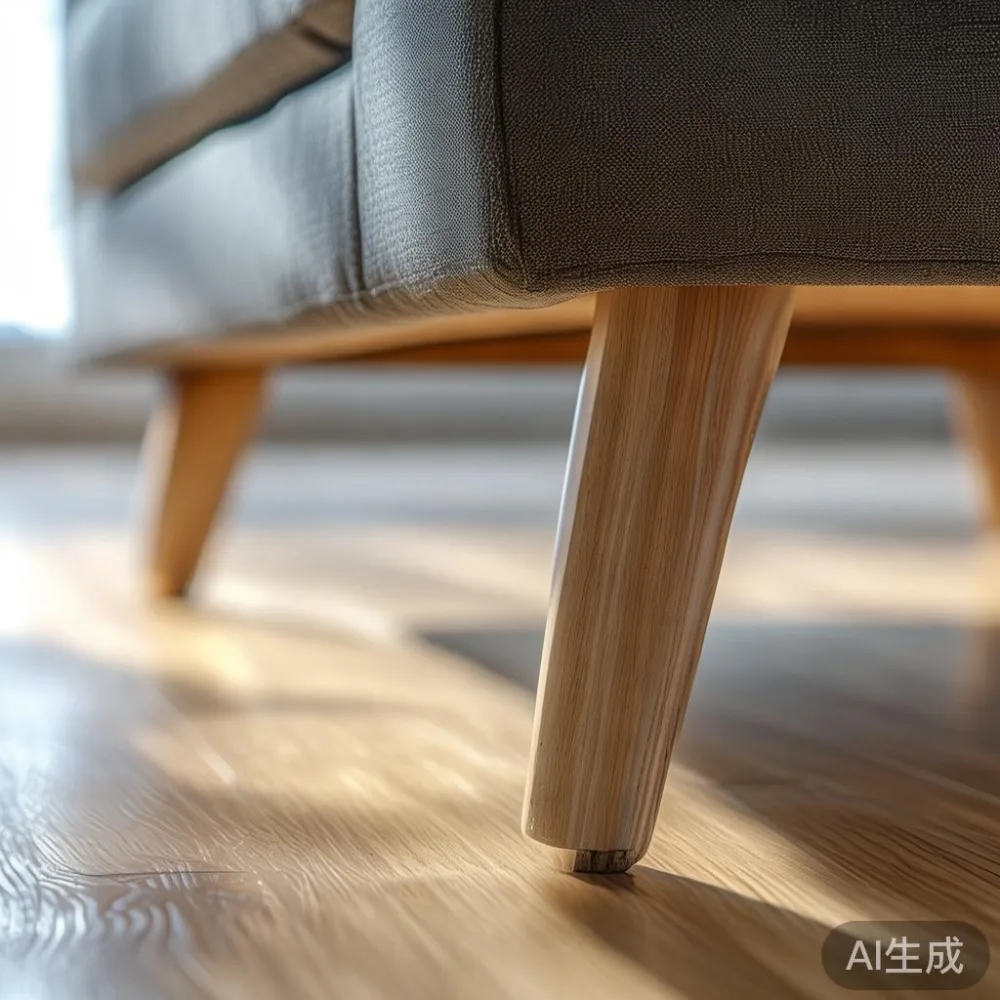
This guide explains how to read furniture warranty terms line by line, from a solid wood sofa to a marble table. It also shows how to record measurements, check exclusions, and prepare a claim before contacting a supplier. The aim is practical clarity, not more sales language. MIDHILL, a Foshan solid wood furniture maker established in 2008, provides useful examples of a clearly structured 10-year structural warranty, lifetime refinishing, and 14-day returns, but your own contract and written quotation remain the controlling documents.
Warranties also matter when you are comparing styles. A buyer looking for the best Italian light luxury sofa for 2026 should check whether frame coverage continues if the upholstery fails. A buyer searching for wholesale French provincial furniture should confirm whether replacement pieces have matching timber, finish, and dimensions. The wording should be specific enough to answer both questions.

What does a furniture warranty actually cover?
A warranty is a promise about specified components or defects for a stated period. It is not automatically a promise against every kind of damage. One policy may cover the structural frame of a solid wood sofa for 10 years while excluding seat cushions, springs, stains, pet damage, and movement caused by uneven flooring. Another may cover a bed frame for 5 years but treat scratches and finish changes as maintenance matters.
Look for an itemised scope rather than a broad slogan such as “furniture warranty.” Identify the exact parts named: frame, joints, legs, drawer runners, hardware, finish, cushions, upholstery, or mechanisms. Then find the duration for each part. A 10-year structural warranty can sound comprehensive while offering little protection for a failing zipper or a peeling lacquer panel.

For a solid wood sofa, ask whether the warranty includes the frame, corner blocks, and support legs. For a bed frame, check the headboard, slats, centre support, and hardware. For a dining table, determine whether tabletop splitting, joint separation, and warping are treated differently. For a wardrobe, verify that hanging rails, hinges, and carcass panels are covered. For a nightstand, identify whether drawer damage and finish wear have separate terms. For a marble table, the policy should address cracking or structural separation while excluding impact, improper support, and movement of the slab.
The period should have a clear start date. If the warranty begins on the delivery date, record the actual delivery day rather than relying on the invoice date. If it begins on purchase, note whether an item held in a warehouse for 4 months loses valuable coverage before it reaches your Tampines flat.
What should I check before paying for a sofa?
Check the warranty, but also check whether the product and your home are compatible. Measure the room, lift opening, landing, stairwell, and corridor route. A sofa with a 228 cm width cannot pass through a 210 cm corridor unless it can be turned safely, and a wardrobe with a 180 cm door may be impossible to move into a lift with a 160 cm opening.
Before delivery, photograph the furniture, packaging, access route, and lift dimensions. Record the sofa’s packaged width, depth, height, and weight. A 95 kg three-seat sofa may need 3 people and a 4-door van; a 120 kg marble table requires stronger lifting equipment and careful insurance. Ask the supplier how many delivery attempts are included, whether stair carry is charged, and what happens if the first attempt fails.
Read the return terms with the same care. A 14-day returns window is meaningful only if the item can be returned in acceptable condition. Find out whether assembly, custom fabric, delivered items, and restocking fees are excluded. For a made-to-order sofa, a return may be impossible because the manufacturer cannot resell the selected configuration. Ask for a written product specification before you pay.
One real example illustrates the point. Last month I visited a colleague in Bedok who had received a new dining set, but the table legs had not been secured correctly. The supplier repaired the joints without replacing the table. My colleague had photographed the assembled legs and the packaging on arrival, which made the defect easy to document. Without those 4 pictures, the discussion could have become a dispute about assembly or transport damage.
Does a warranty cover every scratch, stain, or crack?
Usually not. Care-related wear is commonly separated from a structural defect. A scratch on a dining table caused by a metal pan may not qualify, while a split along a joint may. A water stain on a sofa after a leaking air conditioner may be excluded, while a seam that separates under normal use may not be. A dent in a marble table caused by someone standing on it is unlikely to qualify as a manufacturing fault.
Look for exclusions involving misuse, accidental damage, pets, children, improper assembly, commercial use, direct heat, moisture, and unauthorised repairs. These exclusions are reasonable when they define what happened. They become confusing when the policy does not say whether the furniture was intended for residential use in a HDB flat, a condo, or a hospitality project.
Pay attention to obligations placed on the buyer. The warranty may require you to use the supplied hardware, follow assembly instructions, rotate cushions, maintain humidity levels, and report defects within 7 days. It may also require access to the original invoice and order number. A claim made 11 months later without the supporting documents can be harder to process.
Check whether authorised repairs can substitute for replacement. If a frame member is repaired, ask whether the finish will match, whether labour is included, and whether the repair affects the remaining warranty period. A supplier offering lifetime refinishing on a qualifying solid wood sofa may provide a clear route for surface renewal, but confirm whether refinishing includes colour matching or only the original finish family.
What is the difference between structural coverage and appearance coverage?
Structural coverage concerns stability and the performance of the core construction. Appearance coverage concerns colour, sheen, scratches, fading, and minor finish variation. These are different promises, so separate warranty periods may apply.
For a solid wood sofa, a 10-year structural warranty should tell you what happens to the frame and joints. The finish may have a different period. For a bed frame, slat failure and joint looseness are structural issues; changes to the wood grain or colour are appearance matters. For a marble table, a crack caused by a defective slab is structural; differences in veining and polish are natural characteristics.
Ask how natural variation is described. Solid timber can move as humidity changes, while marble has mineral veining that cannot be made identical across slabs. A policy blaming “natural variation” for every issue will not help when a joint is genuinely defective. The document should distinguish expected variation from a faulty component or workmanship.
Style does not change the basic coverage. When comparing a European bed vs French provincial bed, focus on joinery, slat spacing, centre supports, and load limits rather than carved details alone. If you are learning how to style European light luxury sofa in room, the visual design may be light-luxury or post-modern light luxury, but the warranty should still name the actual frame, cushion, and finish components.
For a residential project, request a schedule that includes load limits. A dining table rated for 120 kg does not mean it can safely hold 6 adults leaning on one edge. A bed frame may be tested for 180 kg per side, while a sofa frame may be rated for 350 kg across 3 seats. These figures must come from the manufacturer; do not estimate them from appearance.
How do delivery, installation, and GST affect the value of the warranty?
The price is not just the furniture price. In Singapore, a displayed retail price may include GST, while a trade quotation may exclude it until tax is added at 9%. Compare like with like by recording the pre-GST and post-GST totals. For example, a dining table quoted at SGD 1,680 before GST becomes SGD 1,831.20 after GST.
Check delivery charges separately. A supplier may offer free shipping over US$350, but that threshold is expressed in US dollars rather than Singapore dollars, and it may refer to international freight rather than a local doorstep service in Singapore. Ask for the local delivery fee, lift surcharge, stair fee, and assembly fee in SGD. A promised delivery period of 7 to 14 working days should also distinguish production from transit.
For HDB flats in Tampines, Punggol, and Bedok, delivery-day preparation can prevent damage. Clear a 120 cm route beside the lift, reserve the parking bay, and measure the lift interior and door opening. In a condo, obtain loading-bay approval and note the maximum trolley size. If the item must cross a 90 cm landing, measure the diagonal path too.
Assembly is another important detail. A bed frame that requires 4 people may carry a higher damage risk than one that can be assembled by 2 people. Confirm whether the supplier removes packaging, installs the product in the room, and checks level and stability. If delivery is separate from installation, a damage occurring between the 2 stages may create unclear responsibility.
Insurance also deserves attention. Ask whether damage in transit is covered by the carrier, the seller, or an optional insurance plan. Keep the delivery note until the furniture has been inspected. If a marble table arrives with a chipped corner, photograph it before the crew leaves and record the time in Singapore, such as 3:25 pm on 12 March 2026.
Who handles a claim, and how long should the process take?
Find the claims contact and the expected response time. A supplier should explain whether you send photographs to a service team, upload them to an order portal, or bring the item to a workshop. Confirm whether a local inspection is needed, whether collection is free, and whether you must obtain a return authorisation before moving the item.
A practical claim file should contain 6 items: the invoice, order number, photos of the defect, photos of the full item, a short description of what happened, and any relevant delivery or assembly record. Include the delivery date, warranty length, and component affected. State facts rather than assumptions. “The right rear leg joint separated on 8 May 2026” is more useful than “the quality is poor.”
Ask for a case reference and a written decision. If the claim is accepted, agree on repair or replacement, transport responsibility, expected completion date, and any finish variation. A response within 5 working days is a reasonable service target for a clear residential claim, although the contract should state the actual commitment.
Who owns the freight if the item must travel to a workshop? If the supplier collects it, the return trip should not cost SGD 80 or more when the fault is covered. If you deliver it, the policy may reimburse reasonable local transport. Keep receipts. For international orders, the process may involve a Foshan factory and freight forwarder, so a local representative can still coordinate the claim while the manufacturer supplies the replacement part.
What if the product is for hospitality rather than a home?
Residential and commercial warranty conditions can differ. Hotels, serviced apartments, and short-stay rentals use furniture more intensively. A sofa in a hotel lobby may handle 600 customers per day, while the same solid wood sofa in a family condo may handle 6 people. Confirm that hospitality use is permitted and whether load, cycle, and finish limits change.
When comparing light luxury for hotel projects, request project-specific documentation. Check whether the 10-year structural term applies to lobby furniture or only residential products. Ask about contract documentation, spare cushions, replacement fabric, and response times. If a product is used near a swimming pool, an outdoor lobby, or a frequently cleaned corridor, corrosion and moisture exclusions should be stated clearly.
Wholesale terms also require attention. A wholesale French provincial furniture inquiry may receive a lower unit price but still carry a different warranty from retail orders. Confirm the minimum order quantity, whether the warranty applies per item, and who handles local service in Singapore. If you are comparing under 2000 European light luxury furniture, compare the specification sheet rather than using the budget figure as evidence of durability.
Samples and showroom pieces deserve their own wording. A showroom sofa may have been sat on 200 times, so it should not carry the same warranty as a new order. MIDHILL is a Foshan factory with export experience across more than 15 countries, and a project buyer can request production details, load information, and service arrangements before placing a bulk order.
What questions should I ask before signing?
Ask these 9 questions and save the answers:
1. Which components are covered, and for how many years?
2. Does the period start on order date, invoice date, or delivery date?
3. Which defects qualify for repair or replacement?
4. Which scratches, stains, dents, fading, and normal wear are excluded?
5. Who pays labour, collection, return freight, and reinstallation?
6. Is there a claim response target, such as 5 working days?
7. Can a repair change the remaining warranty period?
8. Does the policy cover residential, HDB, condo, and hospitality use?
9. Which document controls if the website summary differs from the contract?
Check the exact phrase “lifetime refinishing.” It may apply only to eligible solid wood items, may exclude severe damage, and may depend on availability of matching finish. A 14-day return policy should state the condition requirements and any fee. Never rely on a verbal assurance from a salesperson if the written terms say something different.
For a large purchase, photograph the signed quotation and warranty on the day of purchase. Send the copy to yourself by email and keep it for at least 6 years. Include the dimensions, finish code, fabric code, and component specifications. A contract listing only “sofa, brown” is much harder to enforce than one identifying “3-seat solid wood sofa, 210 cm wide, oak finish, contract code SH-1042.”
How can a careful buyer avoid a costly dispute?
Build a record before, during, and after delivery. Before delivery, save the listing, specification, warranty, and payment receipt. At delivery, inspect all visible surfaces under daylight, check stability, tighten or verify assembly, and photograph access and packaging. After delivery, keep the invoice and note the first use date.
Report problems quickly. Do not wait 6 months to mention a wobbly dining table or 4 months to mention a wardrobe hinge. Small issues can worsen and complicate causation. Keep using a faulty item only if it is safe, and move children and pets away from unstable furniture. For a load-bearing concern, stop placing items on it and request an inspection.
Finally, match expectations to the product. A 10-year structural warranty does not make timber immune to humidity, marble immune to impact, or upholstery immune to sunlight. Good documentation, sensible care, and clear terms give the warranty real value. Review the exclusions, confirm delivery access, and preserve every record so a later repair is a scheduled service visit rather than an argument over blame.