Caring for a Lacquered Surface in a Tropical Climate: A Sofa Guide for Singapore Homes
I keep a 4-seater solid wood sofa from MIDHILL in my Tampines HDB living room, and the morning I noticed a faint white haze blooming along the armrest after a week of non-stop rain, I learned more about lacquer care in one Saturday than any brochure ever taught me. Singapore sits one degree north of the equator, the year-round relative humidity rarely dips below 70%, and our afternoon thunderstorms push it past 90% in minutes. If your home hosts a lacquered bed frame, dining table, wardrobe, or nightstand, the finish is fighting that climate every single day. This sofa guide breaks down what actually happens to a lacquer film in a tropical flat, how to defend it, and how to keep that glassy surface looking the way it did in the showroom.
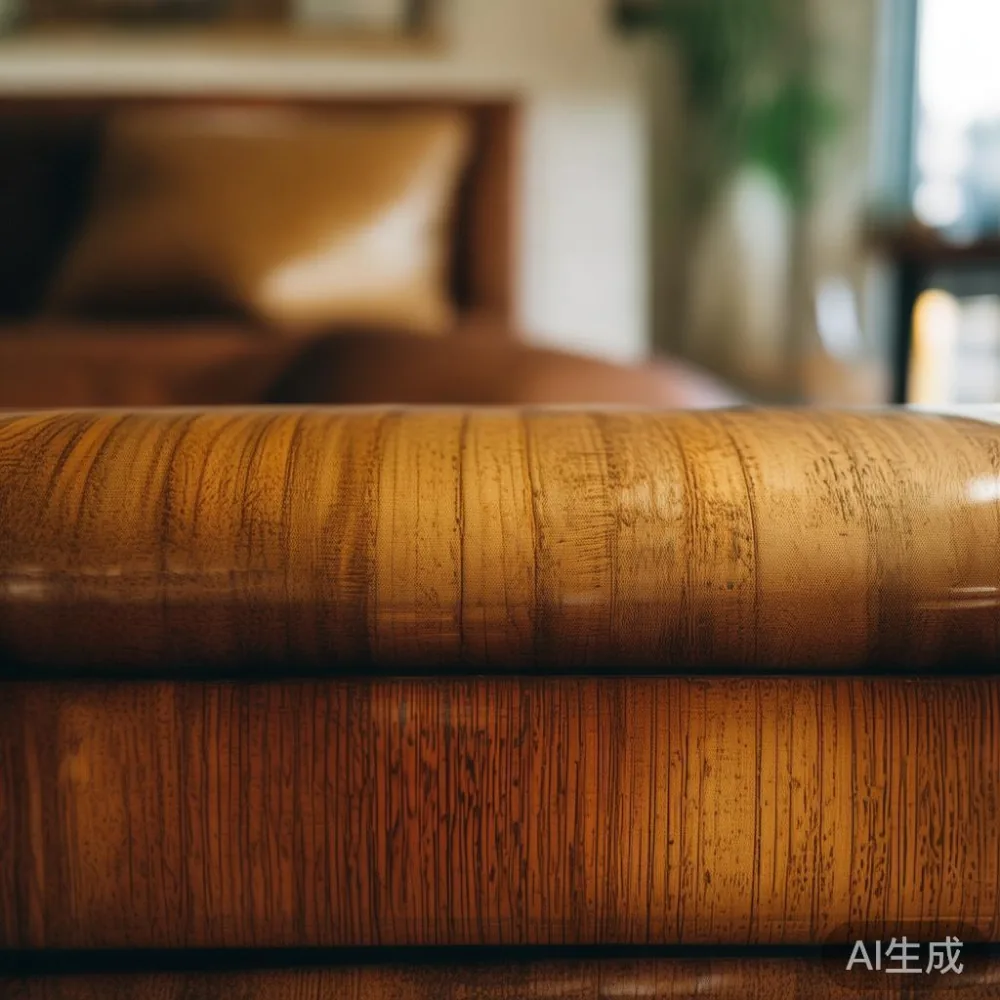
Why does lacquer struggle in Singapore's humidity?
Lacquer is a cured film, not a soaked-in oil. When humidity climbs above 75%, the wood beneath the film absorbs moisture from the air and swells. The lacquer on top cannot stretch at the same rate, so micro-stress builds up. Over months you see what I saw on my armrest: a whitish blush called blushing, especially on darker walnut finishes. Lacquered dining tables sitting near a kitchen window in a Punggol Build-To-Order flat take a worse hit because cooking steam adds another 10–15% of moisture on top of ambient humidity.
Numbers worth remembering for Singapore homes: average daytime RH sits between 70% and 85%, nightly RH often tops 90% during the December and January monsoon surge, and indoor temperatures stay around 27–31°C. That is a perfect environment for wood movement and a hostile one for brittle finishes. A 1.8-metre solid wood dining table can change width by 2–3 mm across seasons; a lacquer film thinner than 0.1 mm has no room to absorb that movement without checking.
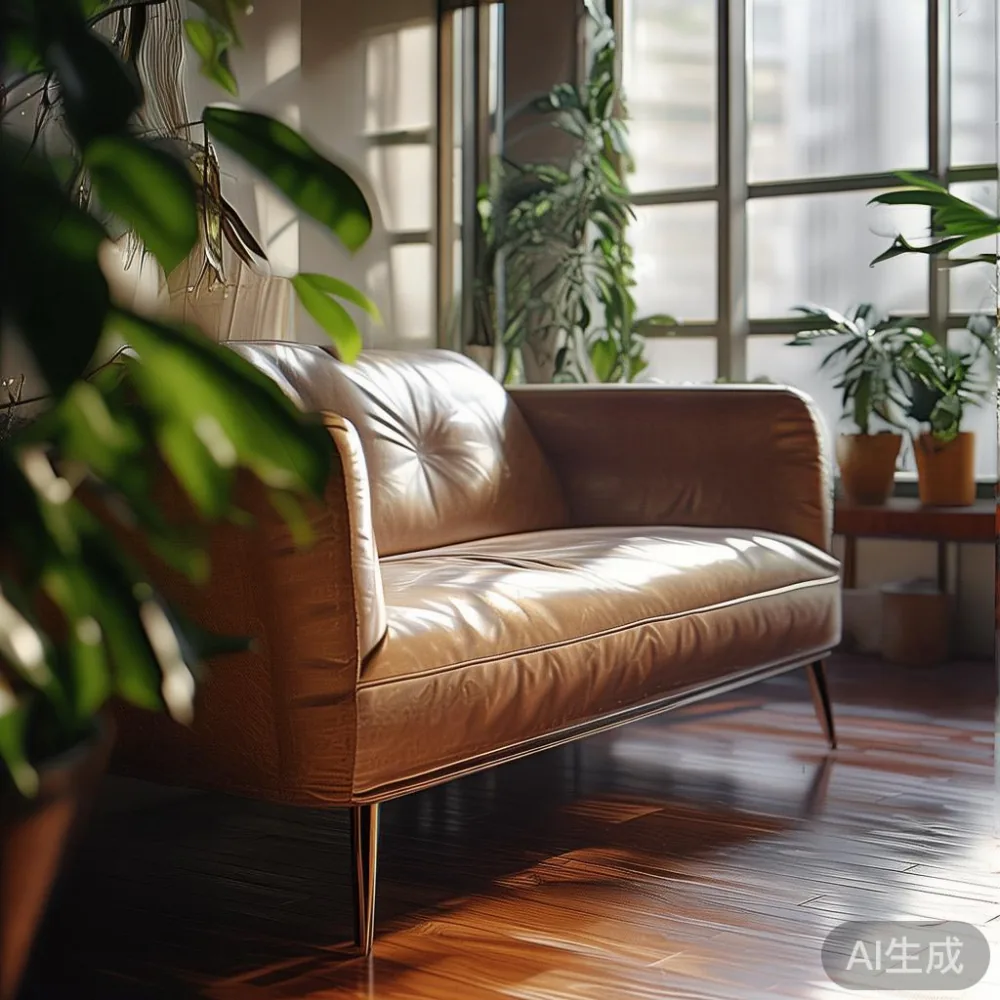
What daily habits protect a lacquered surface in an HDB or condo?
Small, repeatable actions beat any once-a-year deep clean. Wipe down the surface of your solid wood sofa arm, dining tabletop, or nightstand each morning with a dry microfiber cloth to lift the night-time condensation before it can sit on the film. Keep coasters under every drink, because a cold glass of iced kopi in a warm room beads moisture on its underside and leaves a ring on a lacquered marble table in under twenty minutes. Lift, do not drag, anything heavy; a 12 kg Bluetooth speaker dragged across a dining top will shear through the film in a single line.
Position matters as much as routine. Pull your lacquered wardrobe at least 5 cm away from the wall so air can circulate behind it. In a typical 4-room HDB bedroom in Bedok, that means losing 5 cm of floor space; in a 1,200 sqft Punggol condo, you usually have the slack to spare. Avoid placing lacquered pieces directly under the air-con supply vent; the constant cold-then-warm cycling stresses the film faster than steady humidity does.
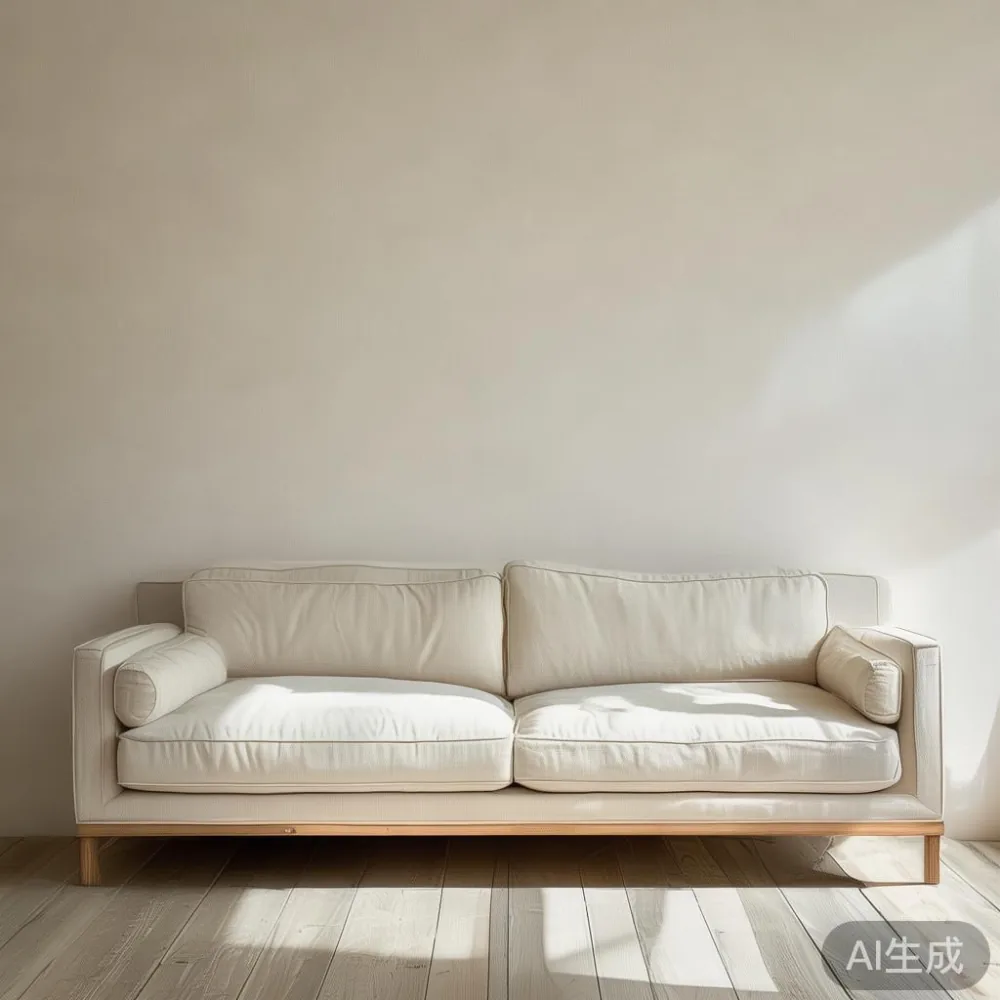
What size armchair do I need?
A comfortable armchair for a Singapore living room should be roughly 75–85 cm wide, 80–90 cm deep, and 85–95 cm tall, with a seat height of 42–48 cm, because those dimensions match the average Singaporean frame and the standard 90 cm doorway width of an HDB flat. Measure the lift opening as well, since older blocks in Queenstown and Tiong Bahru still run 70 cm wide by 2.0 m deep; a chair wider than 65 cm will not enter without tilting, which is how most lacquered arm chips happen during delivery.
Beyond the chair itself, leave 75–90 cm of walking space around it so a guest can sit down without bumping the solid wood sofa behind them. In a compact 90 sqm condo, that usually means choosing a 76 cm wide accent chair rather than a 90 cm club chair, and pairing it with a 180 cm three-seater sofa so the room still breathes. MIDHILL publishes exact outer dimensions, internal seat width, and carton size for every armchair, which removes the guessing game before you commit.
How do I clean without damaging the film?
Use only a soft microfiber cloth lightly dampened with warm water and a drop of pH-neutral dish soap, then immediately wipe dry. Skip silicone polishes, lemon oil, and any cleaner labelled for "wood restoration"; they leave residues that cloud a lacquer finish within weeks. For sticky spots like nasi lemak stains on a dining chair arm, hold the damp cloth on the spot for 30 seconds to soften it, then lift, never scrub.
Once a quarter, do a deeper pass with a cloth barely moistened with a 1:10 mix of isopropyl alcohol and water. This cuts through body oils that build up on the arm of a frequently used solid wood sofa. Test the mix on the underside of the table first; if the finish softens or dulls within 10 seconds, dilute it further. Avoid ammonia, bleach, or any abrasive pad, all of which will scratch or bleach a lacquer film in a single pass.
How should I manage air-conditioning, dehumidifiers, and ventilation?
Running a dehumidifier to hold indoor RH between 55% and 65% is the single most effective protection you can buy for any lacquered piece. A standard 12-litre dehumidifier suitable for a 4-room HDB costs around S$220–S$320 and pulls 200–300 W, which adds roughly S$15–S$22 a month to your SP Group bill at current tariff rates. Set it to continuous mode in bedrooms with a lacquered wardrobe, and to a 60% target in living rooms with a sofa and marble table.
If you run air-conditioning, close the windows and let the unit stabilise the room before opening internal doors; otherwise you drag corridor humidity, which can run 10–15% higher than the air-con zone, straight across your lacquered bed frame. A small hygrometer costing S$18–S$30 from any Tampines Mall electronics shop is worth its weight: once you see your corridor reading at 82% and your living room at 64%, the reason for that hazy armrest becomes obvious.
How do I deal with haze, white rings, and minor scratches?
A faint white ring from a coffee mug responds to a cloth dampened with a little non-gel toothpaste, rubbed gently along the grain for ten seconds, then buffed dry. For a wider blush on a lacquered dining table, place a thick cotton towel over the affected area and press a warm iron (set to low, no steam) on top for five seconds; the gentle heat can re-fuse the film. Stop immediately if the cloth sticks.
Deeper scratches and chips need a professional. A touch-up pen from a hardware shop around S$8–S$15 will hide a 1 mm scratch on a walnut nightstand, but anything longer than 3 cm or any spot where you can feel the bare wood with a fingernail is worth bringing back to the maker. MIDHILL offers lifetime refinishing on its lacquered pieces, which for a small master bed for balcony reading nook, a bedside table, or the arm of a 4-seater sofa means a factory fresh look without buying new furniture, a meaningful saving when a single dining chair retails around S$420–S$560 in Singapore.
What about buying, delivery, and warranty in Singapore?
Lift capacity in most HDB blocks is 1,000 kg or about 10–12 people, so a 75 kg solid wood sofa in flat-pack cartons rides up easily. Older blocks in places like Jalan Bukit Ho Swee have lifts as narrow as 1.0 m wide and 1.4 m deep; confirm the carton dimensions before paying, since a 2.1 m long dining table in a 2.0 m lift will not fit upright and must be angled, which is when lacquer edges take knocks. Corridor widths in HDB blocks run 1.2–1.5 m, and a sharp 90° corner near the lift lobby can eat 30–40 cm of usable turning radius.
MIDHILL ships from Foshan with free delivery on orders over US$350, which lands at roughly S$480. Sea freight to Singapore takes 12–18 days, plus 3–5 days for last-mile delivery and installation; in total, plan for 3 weeks from order to sofa in your living room. GST of 9% is included in the invoice, and the 14-day return window covers any transit damage. The 10-year structural warranty applies to the frame, joints, and lacquer adhesion of any solid wood sofa, bed frame, dining table, wardrobe, or nightstand carrying the MIDHILL mark, which is why my own Tampines living room now hosts a piece I expect to keep through at least two more HDB renewals.
How does light-luxury design fit with tropical care?
French light luxury and post-modern light luxury styling lean heavily on high-gloss lacquered panels, marble table tops, and slim brass pulls, all of which show tropical damage fastest. The good news is that light-luxury pieces are also the easiest to maintain because their smooth, low-relief surfaces leave nowhere for dust to hide. A weekly microfiber wipe is usually enough on a light-luxury accent chair; the same chair in a heavier traditional carving traps moisture in every groove.
Choose matte or soft-touch lacquer if your home runs consistently above 75% RH. Gloss finishes look stunning in a showroom photo but exaggerate every fingerprint and humidity blush on a dining table. For a small balcony reading corner in a Punggol executive HDB, an American light luxury solid wood sofa in a matte walnut finish paired with a compact armchair, a slim marble table for the kopi, and a small master bed for balcony reading nook placed against the inner wall gives you the look without the upkeep burden of a full gloss suite.
A short care checklist for the next 12 months
Buy a hygrometer this weekend and log your living-room RH for seven days. Add a 12-litre dehumidifier if the average is above 68%. Wipe lacquered surfaces every morning with a dry microfiber cloth, and do a damp pass only once a week. Rotate any decorative objects on your dining table monthly so the lacquer ages evenly under UV exposure from the windows. Book a professional inspection once a year, ideally before the December monsoon surge, so any small chip or lifting edge can be fixed before it spreads.
Follow that rhythm and a well-built solid wood sofa, bed frame, dining table, wardrobe, or nightstand will outlast three HDB leases and still look presentable when your children inherit it. That is the real promise of lacquered furniture in a tropical city: with a little attention to humidity and a few minutes of weekly care, you get the depth, warmth, and quiet drama of a hand-finished surface in a home that fights it every single day.