Comprehensive Sofa Guide for Small Singapore Apartments
Living in a high-density environment like Singapore presents unique challenges when furnishing your home. Whether you reside in a 3-room HDB in Bedok or a newer condo in Punggol, maximizing every square foot is a daily priority. Many homeowners struggle with the idea of investing in premium solid wood furniture because they fear their space will feel cramped immediately after delivery. The reality is that with precise measurements and thoughtful design choices, you can achieve a spacious, light-luxury aesthetic without sacrificing comfort. A well-planned layout allows airflow and movement, which are critical in homes ranging from 60 to 90 square meters. Our approach focuses on proportionality, ensuring that a piece fits the room physically and visually.
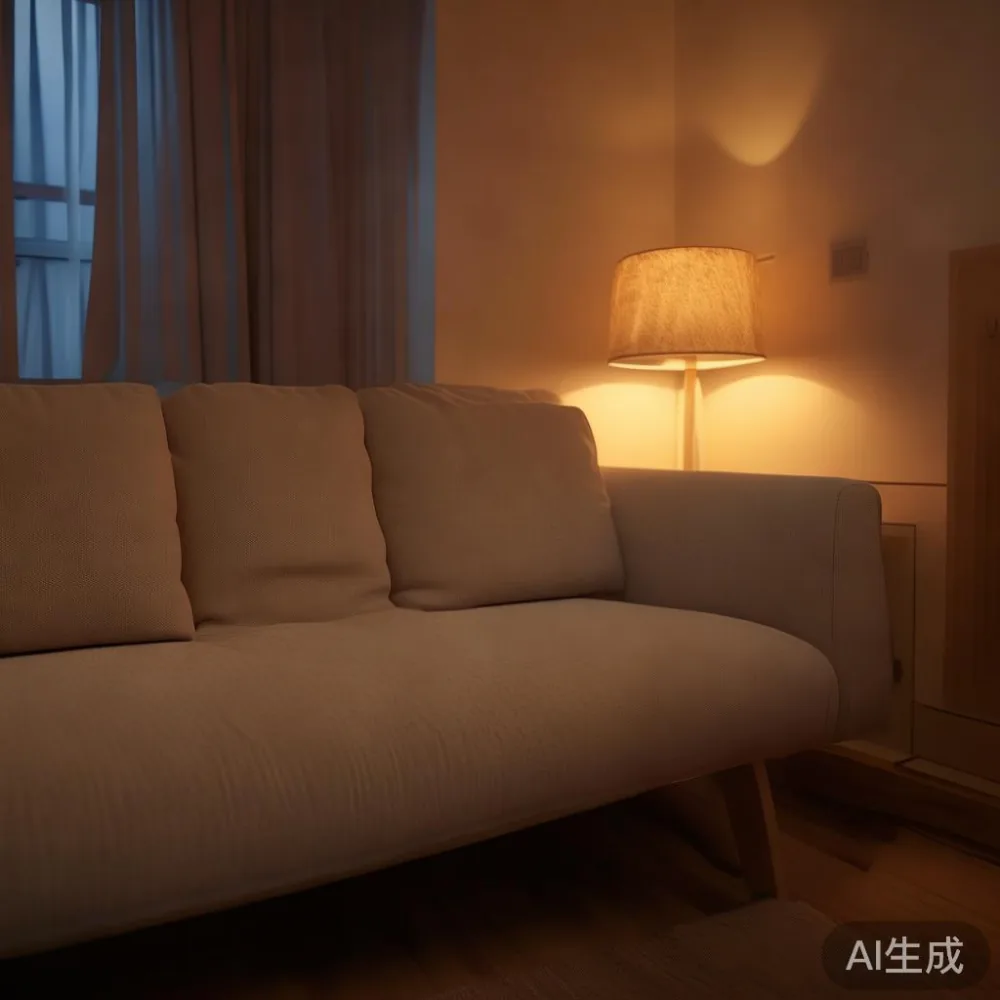
When evaluating options, consider the specific dimensions of your lift and corridor. Standard Singaporean lift doors often measure between 80 centimeters and 90 centimeters in width. If your chosen sofa exceeds this, assembly becomes impossible on-site, forcing you to disassemble parts or choose alternative entry routes. Last month I visited a client in Tampines who had purchased a sectional that was simply too wide for the lift door. The item weighed over 120 kilograms when fully boxed, and despite the sturdy build quality, it could not enter. We resolved this by selecting a modular version that fit through the door one cushion at a time, weighing 25 kilograms per module. This experience highlights why understanding physical logistics is just as important as choosing a beautiful design.
Measuring Your Living Room for a Solid Wood Sofa
Before committing to a purchase, you must map out the walkways in your home. A good rule of thumb is to leave at least 90 centimeters of clearance between your sofa and the nearest wall or coffee table. This prevents the feeling of being boxed in. For a typical 4-room HDB lounge, a three-seater solid wood sofa measuring 210 centimeters in length works best. Going larger, such as a 240-centimeter model, often forces occupants to sit closer together and blocks the view to the balcony or window. The depth of the seat matters significantly for perceived volume. Shallow seats around 55 centimeters deep allow more floor area to show, making the room feel larger compared to deep recliner-style units that can extend past 1 meter.
We also recommend considering the height of the backrest. In units with lower ceilings, common in older buildings, a high-back unit can visually reduce the headroom. Opting for a backrest height of 75 centimeters keeps sightlines open. When searching for the right piece, use our extensive sofa guide to find models that align with these dimensions. The sofa guide provides detailed diagrams showing exactly how many people can sit comfortably without elbow collisions. It also indicates weight capacities, which helps you understand the density of the materials used. Heavy-duty frames made from oak or rubberwood offer longevity but add significant mass to your shipment. Ensure your flooring can support concentrated loads, especially in wooden floorboard setups found in some landed properties and newer condos.

French Light Luxury in Compact Spaces
Design trends play a major role in how spacious a room feels. French light luxury emphasizes delicate lines, curved edges, and refined finishes that avoid visual heaviness. This style contrasts sharply with bulky traditional pieces often seen in older furniture sets. Imagine a console table or sideboard placed behind a sofa. If this surface is thin, around 30 centimeters deep, it does not encroach on your walking path. Light colors in upholstery, such as cream or light grey, reflect ambient light better than dark velvets. This reflection trick expands the perceived boundaries of the room. American light luxury shares similar traits but incorporates slightly more casual elements, suitable for families who need durable fabrics.
Integrating these styles requires attention to texture. Solid wood furniture brings warmth, but if the finish is too dark or glossy, it absorbs light. Satin finishes or matte varnishes on a dining table or bed frame help scatter light softly throughout the space. Post-modern light luxury introduces geometric shapes that can anchor a corner without dominating the center. For example, a marble table top adds sophistication without the bulk of a full wooden slab. The transparency of glass or stone allows you to see through the furniture legs, maintaining the visual continuity of the floor. When browsing the sofa guide, pay attention to leg designs. Tapered legs raise the sofa off the ground, revealing the carpet or tile beneath, which contributes to the airy feel important in small apartments.
How do I choose a industrial style for a study?
You select exposed metal finishes and reclaimed timber surfaces to contrast with your main living area's softness. This distinction creates separate zones within an open-plan concept. In many HDB layouts, the study area sits adjacent to the living room. Using darker tones here, like charcoal or espresso wood stains, defines the workspace boundaries without building physical walls. Keep the desk height standard at 75 centimeters so chairs slide underneath easily when not in use. Lighting is another factor; pendant lights hanging low over a desk focus attention there, keeping the rest of the ceiling visually empty. This separation ensures that work stress does not bleed into relaxation time spent on the couch.
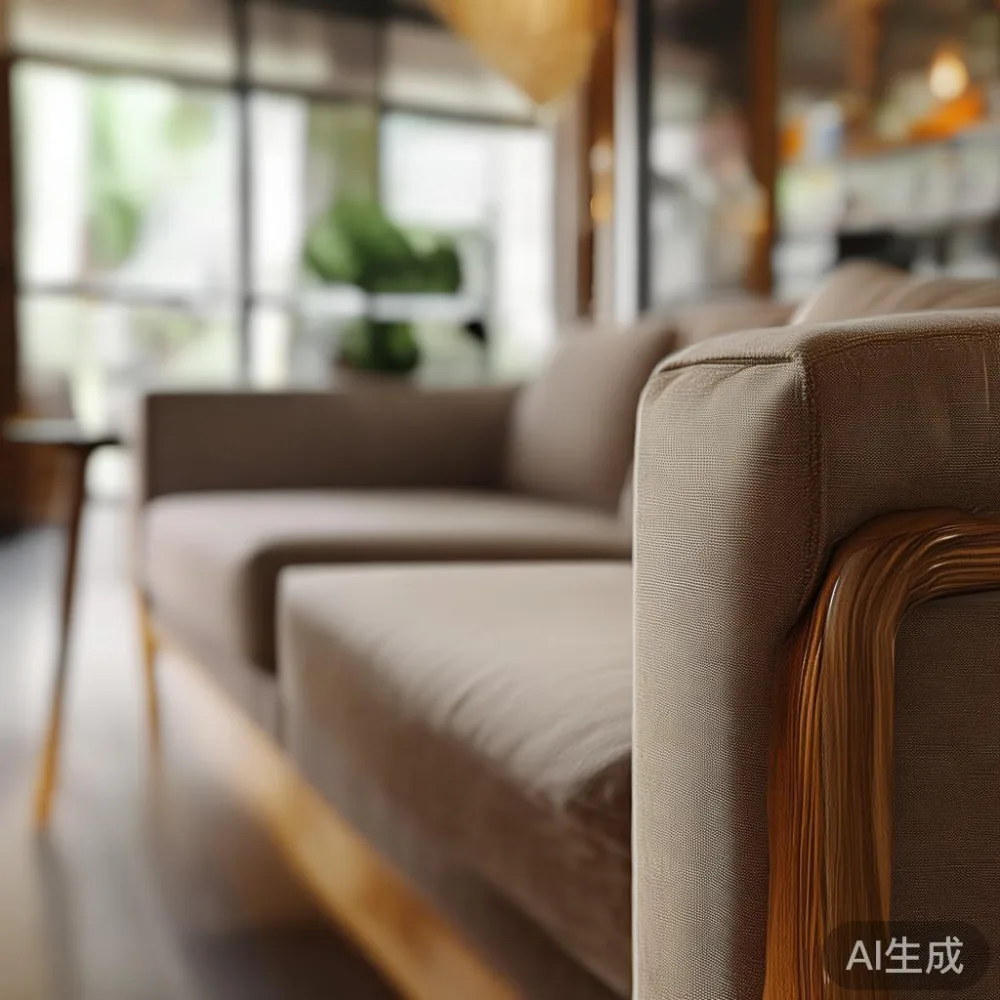
However, do not let the industrial theme overwhelm the living space. Balance is key. If your study features heavy iron shelving, keep the adjacent living room lighter. A solid wood sofa in natural oak tones acts as a bridge between the harsh industrial look and the cozy living vibe. It softens the edge of the metal workbench. Remember that electrical wiring in older units like those in Bedok might need upgrading for extra outlets near a study setup. Always check the load limits of your shelves before placing heavy books. A typical shelf should hold up to 50 kilograms distributed evenly. This level of planning prevents sagging over years of use. It ensures your furniture lasts beyond the initial enthusiasm of setting up the new zone.
Balancing Dining and Lounge Areas
In many smaller units, the dining table doubles as a workspace or buffet station. Choosing a foldable or extendable design adds versatility. A round marble table top offers durability and easier circulation compared to sharp-cornered rectangular tables. Corners can catch hip injuries when rushing to move around. Diameter measurements of 100 centimeters accommodate four people comfortably. If you have guests frequently, an extension leaf can increase capacity to six without permanent footprint loss. Storage underneath is important. Built-in drawers keep placemats and cutlery organized, reducing clutter on the tabletop. Clutter is the enemy of perceived space. A clean surface looks twice as big as a busy one.
For those interested in minimalism, a Japandi coffee table singapore style piece might suit your aesthetic perfectly. These items combine Japanese wabi-sabi simplicity with Scandinavian functionality. They typically feature low profiles and neutral woods. Pairing this with your main seating arrangement creates a cohesive flow. If you are looking at the sofa guide for matching sets, ensure the wood tone matches or complements the coffee table base. Mismatched grains can make the room look disjointed. Consistency in material creates a unified visual field. A wardrobe or nightstand in the nearby hallway should echo this same tone if visible from the living area. This creates a sense of order and calm, which is psychologically calming in high-stress urban environments.
Storage solutions often hide in plain sight. Nightstands with deep drawers hold remotes and chargers away from eyesight. Keeping surfaces clear enhances the feeling of openness. Even the choice of curtains affects light. Sheer fabrics allow sunlight to filter through, illuminating corners that would otherwise remain shadowed. Shadows make rooms feel smaller and heavier. By controlling light intake, you manipulate the spatial perception effectively. Consider motorized blinds for convenience, which reduces cable clutter on windowsills. Every inch of space in a 4-room flat counts towards a livable experience. Planning ahead saves money on unnecessary storage purchases later.
Shipping, Costs, and Long-Term Care
Financial planning involves looking beyond the sticker price. Goods and Services Tax (GST) is currently 9 percent in Singapore, adding to the final cost of imported furniture. A sofa priced at SGD 2,500 will incur an additional SGD 225 in tax. Freight costs depend on distance and weight. Many international suppliers charge based on cubic meters. For a set including a dining table, sofa, and bed frame, expect freight charges to range from SGD 500 to SGD 1,500 depending on the origin port. Some manufacturers offer free shipping thresholds. For instance, orders exceeding US$350 often qualify for complimentary delivery in certain regions. Always verify if the quote includes customs clearance duties to avoid surprise invoices upon arrival.
Maintenance is a hidden long-term cost. Solid wood requires periodic oiling or polishing to maintain its luster. Manufacturers offering lifetime refinishing services save owners money down the track. Scratch resistance varies by coating. Water-based lacquers are environmentally friendly but may scratch easier than solvent-based ones. Inspect sample boards in person if possible. At MIDHILL, we established operations in 2008 specifically to address the need for durable, export-quality furniture that withstands varied climates. Their 10-year structural warranty covers frame integrity, which is a significant assurance for buyers. This coverage protects against joint failure or wood warping over time. Knowing your investment is backed by a decade of engineering confidence provides peace of mind.
Returns policies also matter. Life changes, and furniture needs might shift. A 14-day return window gives you enough time to test the item in your actual lighting conditions. Ensure you keep the packaging until you are satisfied. Disposing of large foam boxes can be difficult in managed estates. Check with your management office regarding oversized waste disposal fees. Sometimes returning an item incurs restocking fees, so read the fine print. MIDHILL maintains export standards to 15+ countries, ensuring global logistical experience. This experience helps them pack items securely to prevent transit damage. Packaging should absorb shocks during handling at the warehouse and in trucks.
Finally, consider the resale value of solid wood pieces. Well-cared-for furniture retains value better than particle board alternatives. If you decide to upgrade five years later, you may recoup a portion of your original investment. This longevity is part of the light luxury proposition—buying better once instead of replacing cheaply often. When using the sofa guide, look for brands that emphasize craftsmanship over speed. Hand-finished joints and selected grain patterns indicate higher labor costs but result in superior stability. Spend time reviewing technical specs rather than just photos. The truth lies in the millimeter and the gram. Taking care of these details ensures your home remains comfortable and functional for decades.