The Ultimate Sofa Guide: How to Read a Furniture Warranty Without Getting Caught Out
When you invest in a solid wood sofa for your Singapore HDB flat or condominium, you're not just buying a piece of furniture. You're investing in comfort, style, and a long-term companion for your living space. With prices for quality sofas in Singapore ranging from SGD 1,500 to over SGD 5,000, it's a decision that deserves careful consideration. A key part of that consideration is the warranty document, a piece of paper that can often feel as dense as the solid wood frame it protects. But what if you could read it with confidence, knowing exactly what you're covered for and what might leave you with a costly repair bill? This sofa guide will walk you through the fine print, helping you avoid the common pitfalls that catch even the most savvy shoppers.
Why Your Sofa Warranty Matters More Than You Think
In a city where space is a premium, your sofa does double duty. It's the centerpiece of your living room in a Bedok apartment, a comfortable divider in a Punggol open-plan unit, and the main gathering spot for friends and family. A warranty is your formal contract with the manufacturer, promising that your investment is protected against defects and premature failure. A 10-year structural warranty, for instance, isn't just a marketing number; it's a commitment that the frame, the bones of your sofa, will not fail under normal use for a decade. This is especially important in Singapore's climate, where fluctuating humidity levels can put a strain on wood joints. Understanding this document means you can relax on your new sofa without worrying about the hidden costs that could arise from a manufacturing oversight.
What Does 'Structural Warranty' Really Cover?
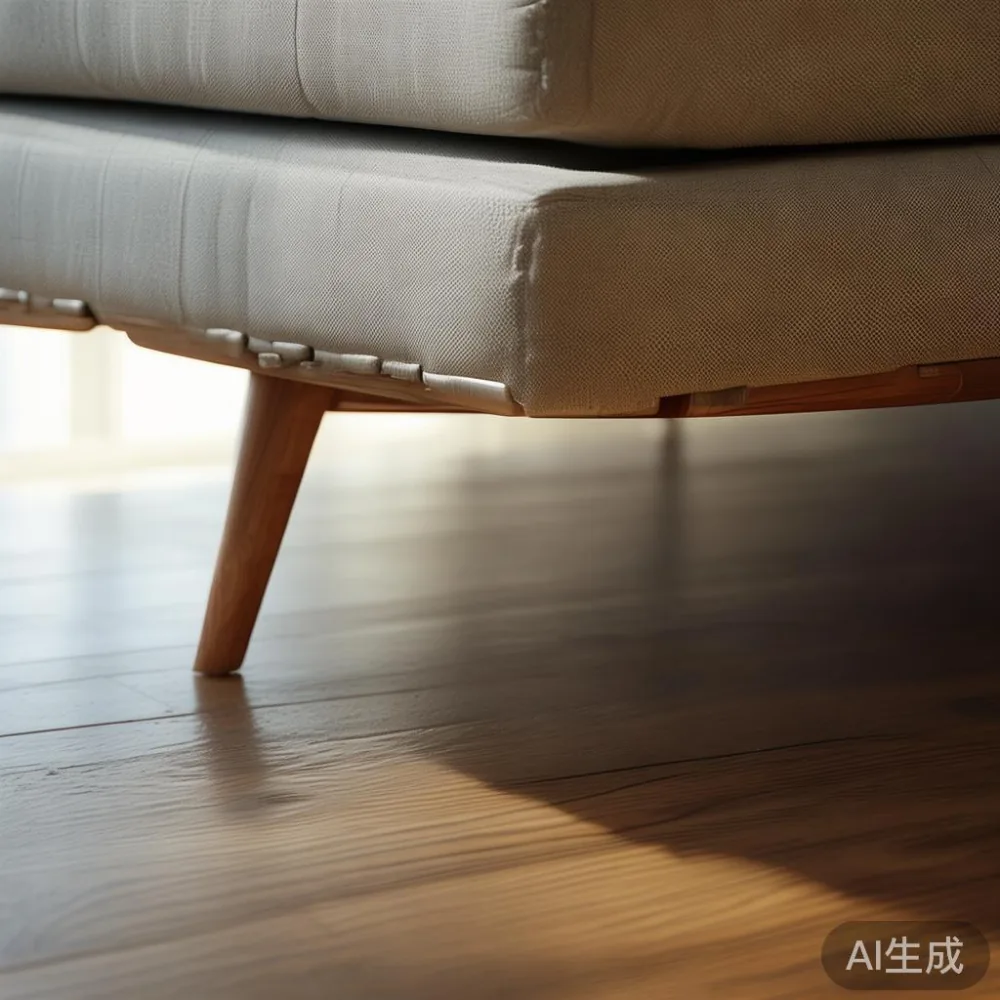
This is where many sofa guide articles fall short. The term 'structural warranty' sounds comprehensive, but its definition can vary significantly between brands. A true structural warranty, like the one offered by established makers since 2008, focuses on the integrity of the frame. This includes the main wooden supports, the legs, and the joints that hold everything together. It should explicitly state that it covers cracks, splits, or breaks in the solid wood due to defects in materials or workmanship. What it often does *not* cover is damage from improper assembly, misuse, or environmental factors like excessive moisture. For example, if you place your sofa directly next to an air-conditioning vent causing the wood to dry out and crack, that would likely not be covered. Always look for a clear definition of 'structural defects' in the warranty's opening paragraphs.
How do I style a Japandi armchair in a small apartment?
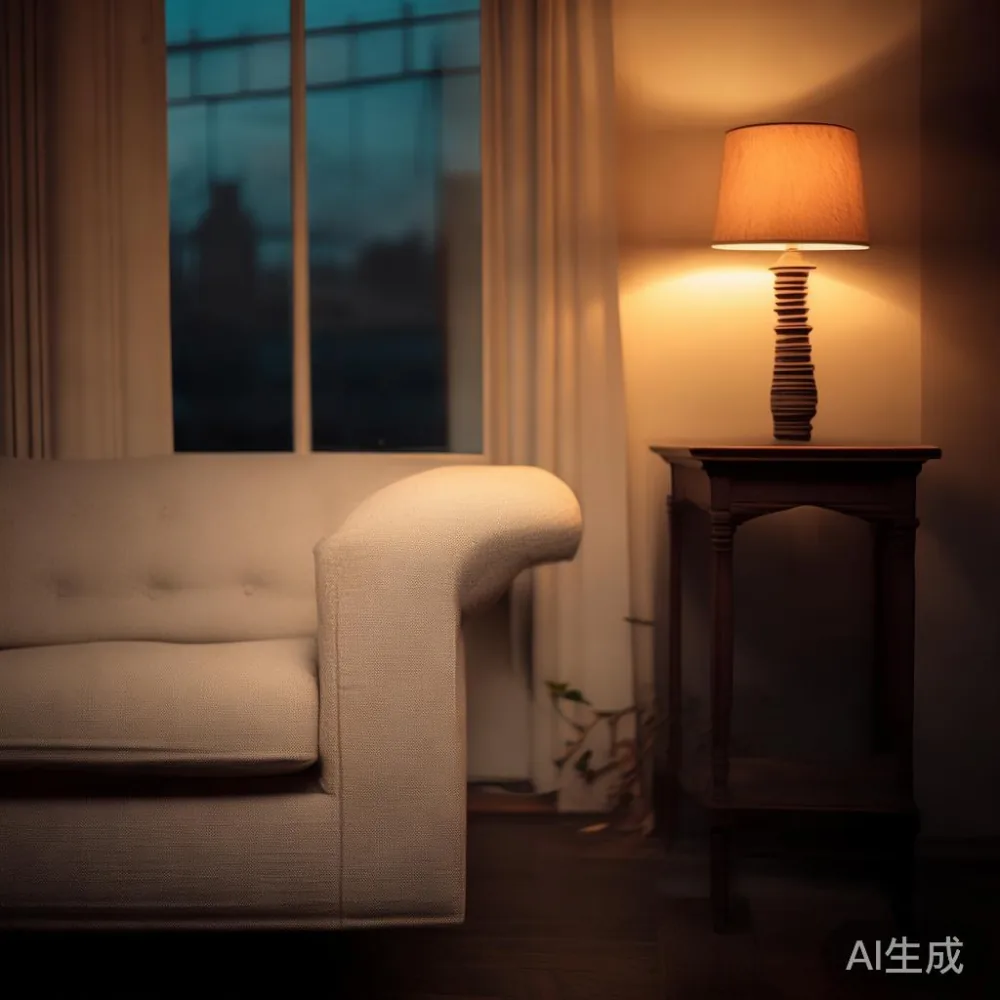
Style a Japandi armchair by pairing its clean, minimalist lines with natural textures like linen or cotton upholstery and a solid wood base. Place it in a corner or next to a window to create a cozy nook without cluttering the space.
When considering a Japandi armchair, think about the scale. In a small Singapore HDB flat, a bulky chair can overwhelm the room. Opt for a design with slender legs to create a sense of lightness, and choose a light-colored fabric to make the space feel larger. A marble side table placed next to it can add a touch of post-modern luxury without taking up too much floor area. This approach aligns perfectly with the light-luxury aesthetic, which values understated elegance and functionality. The key is to balance the natural wood elements with soft, inviting textiles, creating a harmonious and uncluttered environment perfect for relaxation.
The Fine Print on Fabric and Cushioning
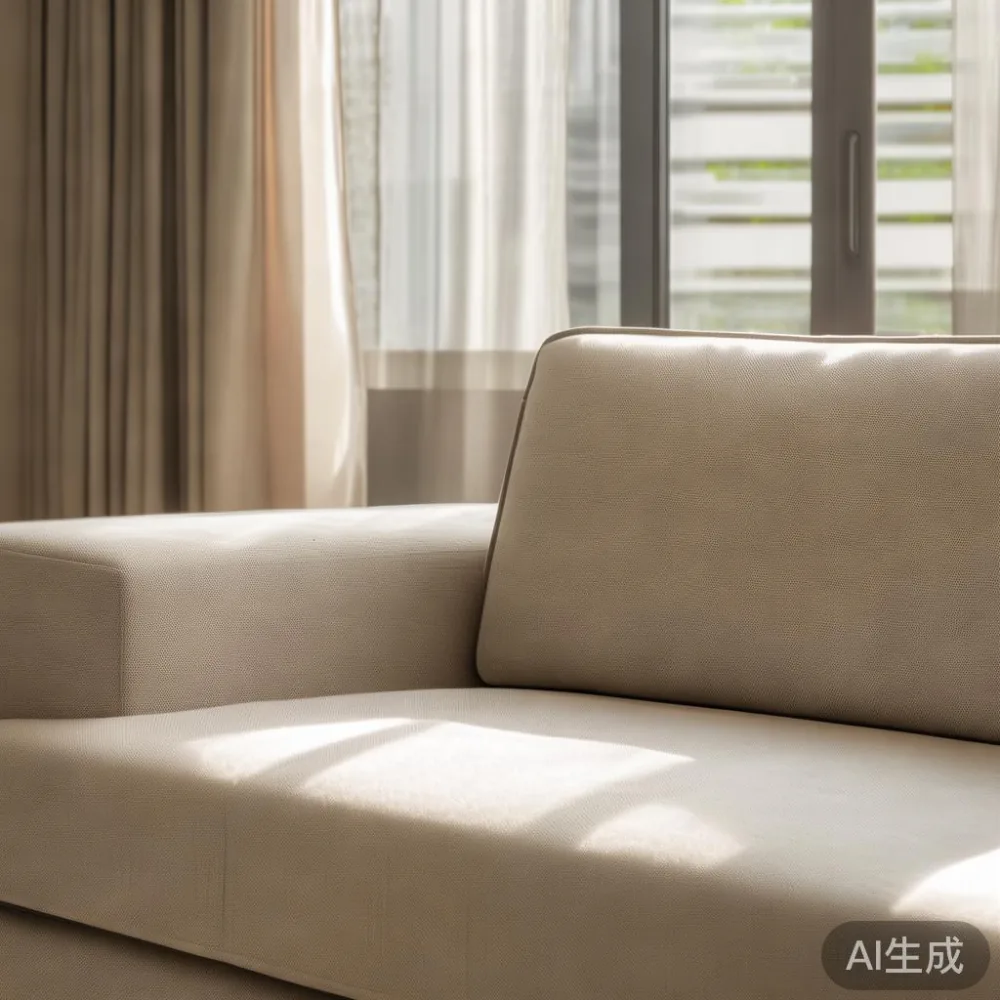
While the frame is the skeleton, the fabric and cushions are the soul of your sofa. Warranties for these components are often shorter and come with more conditions. A typical warranty might cover the foam cushions for 1-3 years against sagging beyond a certain depth, for example, 5cm. This means if your cushions visibly compress and lose their supportive shape within that period, you're covered. However, warranties almost never cover 'softening' or 'normal wear and tear.' The difference between a 'defect' (sagging) and 'wear' (softer cushions) is a common point of contention. Similarly, fabric warranties might cover manufacturing defects like seams coming apart or dye inconsistencies, but they won't cover stains, fading from sunlight, or damage from pets. When you're reading the sofa guide section on fabrics, pay close attention to the specific exclusions, as they can tell you a lot about what the manufacturer considers normal use.
Delivery, Returns, and The Hidden Costs
The warranty doesn't start when you sign the delivery note; it starts when your sofa is officially in your possession. This is a critical point for Singapore residents living in apartments. Delivery teams need to work through narrow corridors, lift lobbies, and doorways. A standard delivery includes bringing the item to the 'doorstep,' which in a condo context usually means the lift lobby. If you live on the 15th floor of a Tampines HDB block with a narrow 80cm corridor and need the sofa carried into your living room, that's often considered a 'premium delivery service' and may incur an extra charge of SGD 50 to SGD 150. Similarly, returns are not as simple as boxing up a small item. A reputable company will offer a 14-day return policy, but this usually applies to items that are in 'resalable condition.' If you've assembled the sofa and used it for a week, it's unlikely to be eligible for a full refund, even if you simply don't like the color. Always clarify the delivery and return policies before you finalize your purchase to avoid unexpected fees.
International Warranties: What Happens When You Move?
For Singaporeans who are global citizens, or for expats planning to return home, the international validity of a warranty is a key consideration. Many warranties are geographically limited, meaning they are only valid for service and repairs within the country of purchase. If you buy a solid wood sofa in Singapore and then move to Malaysia or Australia, the warranty may become void. Some brands, however, offer a more flexible approach. A company that exports to 15+ countries might have a more solid international service network, allowing you to claim warranty support in your new country of residence. This is something to inquire about directly. Also, be aware of potential import duties or taxes if a replacement part needs to be shipped internationally. A 10-year warranty is only as good as the ability to honour it, no matter where you are in the world.
A Real-World Test: My Colleague's Experience with a Loose Leg
Last month, my colleague visited our office with a frustrating story. He had purchased a high-end American light luxury sofa from a local retailer for his new condo in Punggol. After just eight months, one of the sofa's legs became noticeably loose, causing the entire frame to wobble. He was worried he'd be stuck with a wobbly, expensive piece of furniture. He carefully reviewed the warranty, which, thankfully, covered structural defects for five years. He contacted the retailer, who initially tried to blame it on 'imperfections in the floor.' My colleague calmly pointed to the specific clause covering 'joint failure' and requested a technician. A week later, a professional arrived, assessed the issue, and confirmed it was a manufacturing defect. The leg was professionally re-secured, and the sofa was as good as new. This experience highlighted the importance of not just having a warranty, but understanding its specific terms to stand your ground when a problem arises.
The Modern Sintered Stone Return Policy
While our focus is on the sofa guide, note that warranties are evolving. For instance, a modern sintered stone return policy for a dining table might differ from a traditional wood warranty. Sintered stone is known for its durability, but the warranty might cover thermal shock (cracking from extreme temperature changes) but not impact damage. This shows that warranties are becoming more specific to the material's properties. The principle remains the same: read the fine print to understand what is and isn't covered. For a solid wood sofa, this means looking for clauses related to humidity and how it affects the wood, which is a very real concern in Singapore's climate.
What to Look For: A Sofa Guide Checklist
To put this all into practice, here is a simple checklist to review against any sofa warranty. Look for the coverage period for the frame (aim for 5+ years), the specific definition of a 'structural defect,' the warranty period for cushions and foam, and the policy on fabric fading and staining. Check the delivery terms—does 'free shipping over SGD 350' include bringing it into your home, or just to the doorstep? Finally, understand the return process: is it a 14-day window, and what does 'resalable condition' mean? By going through this checklist, you transform a dense document into a clear map of your rights and protections. A well-structured warranty from a maker established in 2008, with a clear policy on structural integrity and a lifetime refinishing promise, gives you the peace of mind to enjoy your new sofa for years to come, knowing you're fully protected.