Veneer vs Solid Wood: What Will Your Sofa Cost in 5 Years?
Choosing a sofa for an HDB flat or a condo in Tampines, Bedok, or Punggol is rarely just a colour decision. The frame material affects the purchase price, the delivery logistics, the way a piece handles humid weather, and the cost of repairs after five years. Veneer can deliver a convincing timber appearance for less money, while solid wood usually offers greater repairability. To make an informed comparison, this sofa guide examines purchase, ownership, and resale costs over a 5-year period.
All prices below are indicative Singapore retail figures in SGD and include 9% GST where applicable. A typical 3-seat sofa might cost SGD 2,400 with veneer and SGD 3,600 in solid wood. Over 5 years, those figures become SGD 2,400 versus SGD 3,600 before maintenance, refinishing, repair, and disposal costs are counted.
What is the real difference between veneer and solid wood?
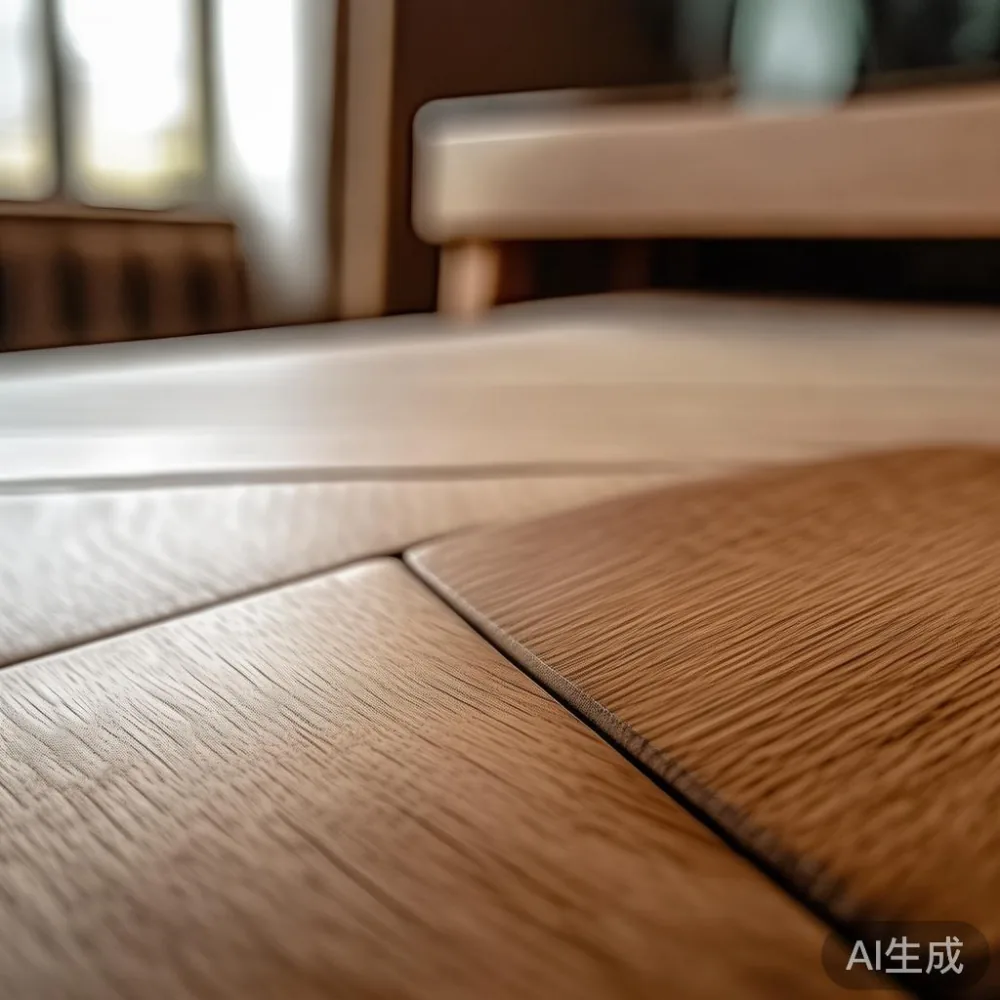
Veneer is a thin layer of timber, usually about 0.6–1.2 mm thick, bonded to a core such as plywood, particleboard, or engineered timber. A 220 cm wide sofa can contain many curved or cut sections of veneer because the material is sliced from logs. The repeated grain pattern visible across a large panel is a useful clue.
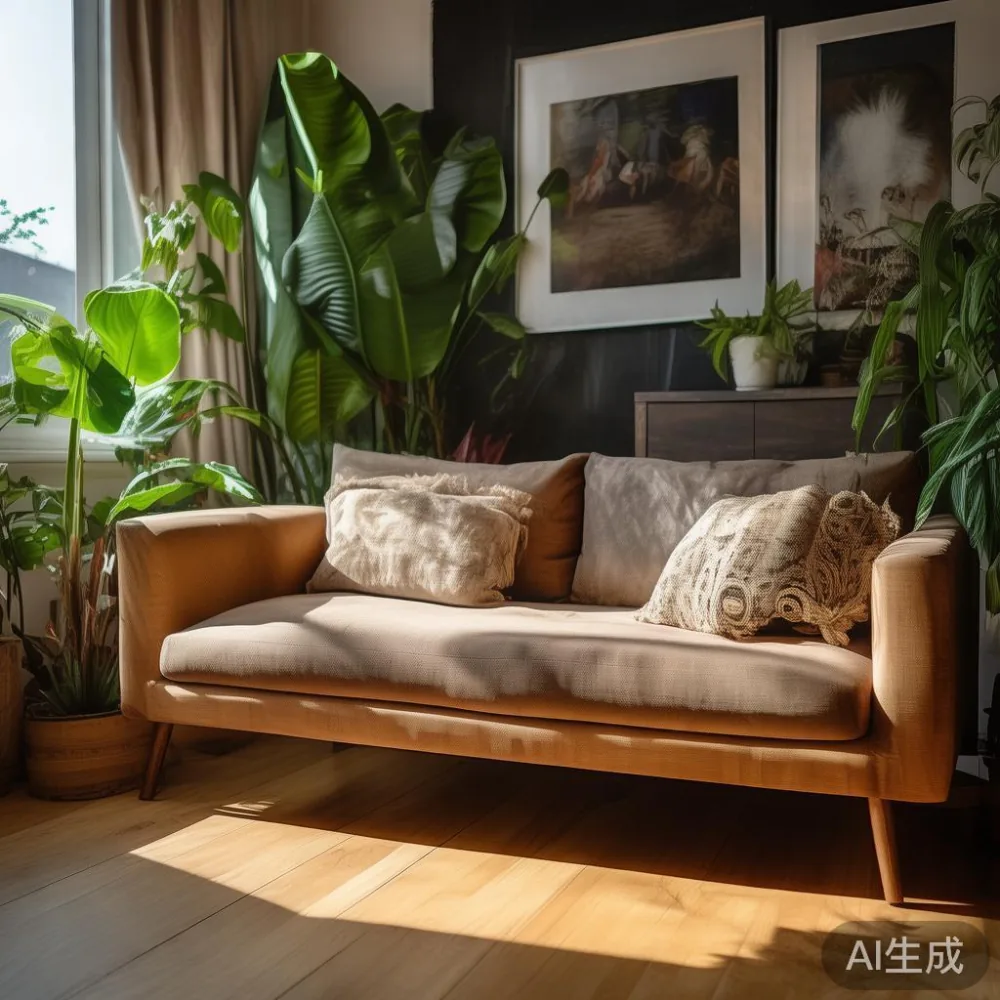
Solid wood furniture uses timber through the visible board, rather than a decorative layer over another core. In a 3-seat sofa, the load-bearing rails, legs, and arm supports may be solid wood even when the outer panels are upholstered. For a dining table, a wardrobe, or a nightstand, more of the visible surface may be solid timber.
The difference matters because engineered cores can remain stable when properly made, but exposed edges, joints, and water ingress require attention. Solid wood can move slightly as humidity changes, expand by roughly 1–3 mm across a 100 cm board, and develop small surface marks more readily. Neither material is maintenance-free.
How much do veneer and solid wood sofas cost in Singapore?
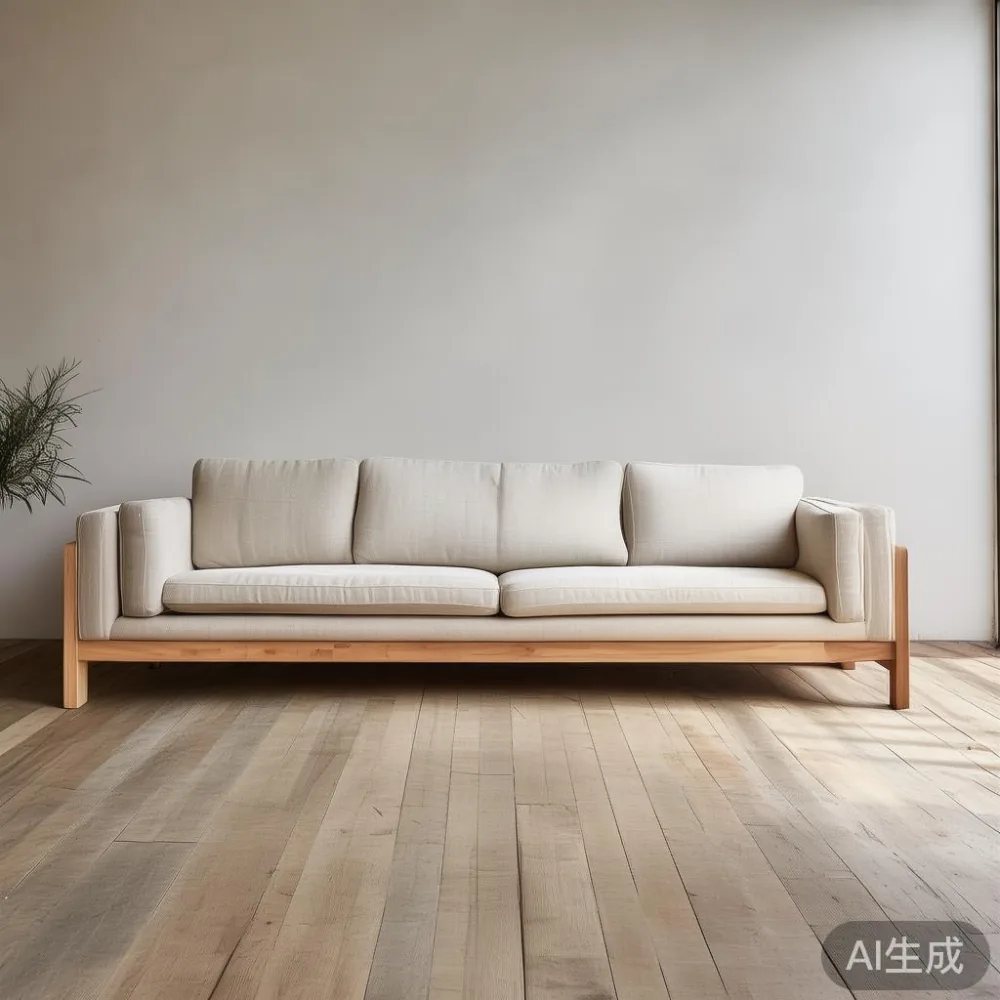
For a 3-seat, 210–230 cm sofa suitable for most HDB living rooms, a mid-range veneer model commonly starts around SGD 1,800 and rises to SGD 3,200. Comparable solid wood sofas often range from SGD 2,700 to SGD 5,200. The spread depends on timber species, frame engineering, cushion density, fabric grade, and finish.
A full solid wood frame made from kiln-dried oak, ash, or rubberwood is not automatically heavier than a well-engineered veneer product. A practical veneer sofa may weigh 75–95 kg, while a solid wood sofa may weigh 95–125 kg. The final packed volume can be 1.0–1.3 cubic metres for either, which matters more in Singapore lifts than weight alone.
Standard HDB lift doors are often about 900 mm wide and 1,350–1,400 mm deep, although older blocks and renovated units vary. A sofa section wider than 850 mm may not fit through a 900 mm lift opening once turned vertically. Corridor turns near the flat entrance can also be tight. Deliverers should measure the lift, corridor, and stairwell before dispatch rather than relying on a product listing alone.
Delivery normally takes 7–14 working days for stock in Singapore and 30–60 days for made-to-order pieces. A lift surcharge of SGD 80–SGD 180 is common, while carrying a sofa up external stairs may add SGD 120–SGD 300. A modular design can reduce transport charges, yet it can also introduce more joints and assembly time.
What does a veneer sofa cost over 5 years?
Take a 220 cm, 3-seat veneer sofa priced at SGD 2,400, including GST. Assume a normal indoor use pattern of 8 hours per day, 365 days per year, with 15 minutes of vacuuming twice each week.
Its likely 5-year cash costs break down as follows:
- Initial purchase: SGD 2,400
- Delivery and lift placement: SGD 120
- Cleaning supplies: 2 bottles at SGD 18 and 1 upholstery brush at SGD 12, or SGD 48 over five years
- Minor repairs and replacement fasteners: SGD 85
- One professional deep clean: SGD 110
- Expected disposal or donation handling: SGD 0
That produces a 5-year ownership cost of approximately SGD 2,763, or SGD 553 per year. If the sofa is moved to a new HDB flat and the delivery operator charges SGD 450 because the original packaging is gone, the total becomes SGD 3,213, or SGD 643 per year.
Humidity is the main risk for exposed veneer edges. Singapore’s outdoor relative humidity commonly ranges from about 65% to 90% during wet periods. Keep the sofa at least 20 cm from an open balcony door and use a dehumidifier if the room regularly exceeds 75% relative humidity. Promptly wiping away drinks prevents water from entering edge seams.
A high-quality veneer sofa can still perform well over five years. The economic advantage comes from efficient material use, not from accepting a weak frame. Check that the seat rails are joined with dowels, screws, or corner blocks, and that the webbing is secured with elastic or sag-resistant straps. A frame with little or no solid timber at stress points deserves caution.
How much does a solid wood sofa cost over 5 years?
Now compare a 220 cm solid wood sofa priced at SGD 3,600, including GST, with the same delivery, cleaning, and movement assumptions.
- Initial purchase: SGD 3,600
- Delivery and lift placement: SGD 120
- Cleaning supplies: SGD 48
- Minor repairs and replacement fasteners: SGD 60
- One professional deep clean: SGD 110
- One frame inspection and touch-up: SGD 120
The estimated total is SGD 4,058, or SGD 812 per year. Adding SGD 450 for a later move raises it to SGD 4,508, or SGD 902 per year.
On these assumptions, solid wood costs SGD 1,295 more over five years, including a mid-cycle move. That is the clear financial case for veneer at the start. The case for solid wood becomes stronger when the owner values long-term repair, visible timber character, and the ability to maintain the piece rather than replace it.
Solid wood can usually be repaired more discreetly. A loose leg joint may need SGD 35–SGD 90 in workshop labour. A small scratch can be sanded and refinished for SGD 70–SGD 180. Veneer repair depends on the damaged area: a small edge chip may cost SGD 90–SGD 220, but replacing a broad sheet can approach SGD 300–SGD 600.
Solid wood does not mean the entire upholstered sofa remains visually untouched for five years. The cushions, piping, covers, and foam can age at similar rates to those on a veneer model. Its advantage is concentrated in the frame and exposed timber components.
Is solid wood always cheaper after 5 years?
No. Break-even depends on purchase price, repair history, resale expectations, and whether the frame remains in service. If a veneer sofa costs SGD 900 less but requires a SGD 520 frame replacement in year four, the saving falls to SGD 380. A solid wood sofa costing SGD 1,800 more but requiring only SGD 130 of refinishing over five years still shows a higher total cost.
Resale values should also be handled carefully. A used sofa has no assured market price, and a well-documented service history often matters more than the original veneer or timber label. For a 220 cm 3-seat sofa, a realistic used sale might be SGD 250–SGD 700 after 5 years, depending on condition. Deducting resale value makes both options less expensive, but veneer’s lower starting price remains material.
This is where a sofa guide should distinguish ownership from appearance. A veneer surface can display richly figured grain without using a large quantity of hardwood. Solid wood offers flexibility: a workshop can adjust a leg, plane a rail, or refinish a marked arm. That flexibility has practical value in a family home, even if it does not automatically create a lower 5-year total.
Which option suits a Tampines, Bedok, or Punggol home?
In a compact Tampines HDB living room, a 190–205 cm sofa may suit the available wall length better than a 220 cm model. A light-framed veneer option can free visual space and keep the initial budget below SGD 2,500. In a Bedok condo with a wider living area, a solid wood sofa from SGD 3,200 to SGD 4,800 can become a durable centrepiece with more repairable exposed timber.
For Punggol families, consider where the sofa will live rather than only where it was purchased. If it sits beside an air-conditioning unit, airflow should remain open by at least 15 cm. If it faces a west-facing balcony window, direct afternoon sun can fade upholstery and dry the finish faster than normal indoor exposure. Use curtains or UV film and avoid placing a veneer edge where children frequently bring wet hands.
French light luxury often leans toward upholstered silhouettes, pale finishes, restrained profiles, and tactile fabric. Those visuals can work with a carefully selected veneer frame, although buyers should ask how the edges and corners are finished. American light luxury tends to use wider proportions, relaxed comfort, and a casual mix of timber and textile. Post-modern light luxury may combine clean lines with one sculptural element, making joinery and surface quality visible.
For a matching project, search for Modern for dining room collections when coordinating a dining table, and examine European light luxury for hotel references when selecting a wardrobe or bed frame for a polished master bedroom. A French provincial with storage layout can inform a sofa with a slim timber ledge or concealed drawer, useful in a condo where loose items otherwise occupy the coffee table.
When comparing French bed vs Japandi bed layouts for the bedroom, pay attention to the clearance needed to move through the room, not only bed dimensions. A queen bed often measures 152 cm wide by 190–203 cm long, but wall-to-wall space and side access can still make a 180 cm-wide room feel restricted.
What are the hidden costs of buying furniture in Singapore?
GST is already included in the prices used here, but it remains relevant when comparing quotations. A GST-registered business should display the tax clearly. If one quote excludes GST and another includes it, the apparent saving can disappear by around 9%.
White-glove delivery may cost SGD 180–SGD 450 for a standard sofa. This should include unpacking, placement, packaging removal, and assembly if required. Clarify whether stair carry, lift reservation, and damage inspection are included. A marble table is even more sensitive to movement: its stone top may weigh 60–110 kg and require two trained handlers, specialist fixings, and a written damage procedure.
Assembly also affects future costs. A flat-pack wardrobe may save SGD 250 in freight, but damaged cam locks or misaligned doors can lead to SGD 80–SGD 250 in adjustment work. Solid wood joinery may take longer to assemble, yet its parts can often be repaired more easily. For anyone comparing the best Mid-century modern wardrobe for 2026, measure the HDB bedroom door, lift height, wardrobe depth of 550–600 mm, and access route before choosing the largest configuration.
The phrase best Mid-century modern wardrobe for 2026 may also appear in short video captions or sales posts, sometimes without useful specification. Treat a dated headline as a prompt to verify drawer extension, hanging space, board thickness, and hinge ratings rather than as proof of quality.
Buyers researching the top 10 Italian light luxury furniture lists should also separate design influence from origin claims. Italian references may guide the look of a bed frame, nightstand, or marble table, while the actual pieces are manufactured elsewhere. Ask for the country of production, timber species, core material, and finish type in writing.
How did a real sofa test change my view of the price difference?
Last month I visited a colleague’s 4-room Bedok HDB flat to inspect a 205 cm sofa delivered 4 years earlier. It was a veneer model bought for SGD 2,250 including GST. The cushions still looked well cared for, but one front edge had lifted after a minor spill, and the left rear leg had developed 2 mm of movement at its fixing.
The repair quote was SGD 260: SGD 90 to re-bond the edge and SGD 170 to replace the fastener, straighten the rail, and sand it flush. A nearby family had a solid wood sofa bought for SGD 3,850 in 2021. It had a 12 cm scratch on an arm and one loose joint. A local workshop repaired both for SGD 145, including sanding, filler, and a matched touch-up.
The experience showed why the material label is only one part of ownership. Installation quality, moisture exposure, and prompt care had created different outcomes. It did not prove that every solid wood sofa would outlast every veneer sofa; two homes cannot establish that. It did show that solid timber can make localised repairs less disruptive, particularly on exposed arms and legs.
I also measured the delivery route during that visit. The lift opening was 900 mm, the internal depth was 1,350 mm, and the corridor turned sharply 1.2 m from the lift. The original sofa had been delivered in 2 sections. Asking the supplier to confirm the packed dimensions prevented an expensive attempt to bring the full frame up intact.
Which material gives the better 5-year value?
For a buyer with SGD 2,000–SGD 3,000 available, a well-built veneer sofa can provide the stronger financial outcome. In the example above, it cost SGD 1,200 less at purchase and only SGD 115 more to repair after four years. If the goal is to preserve more cash for other renovations, the arithmetic favours veneer.
For a buyer who expects to keep the sofa for 8–15 years, can protect it from prolonged sun and dampness, and values repairability, solid wood may justify its premium. A mid-cycle refinishing allowance of SGD 180–SGD 420 every 5 years is sensible, even if no immediate repair is needed. This is part of the furniture’s cost, not an optional bonus.
Check the warranty before choosing. MIDHILL provides a 10-year structural warranty and lifetime refinishing on applicable solid wood pieces, which can reduce uncertainty around frame repairs and surface renewal. Its delivery policy includes free shipping over US$350 and 14-day returns, although customers in Singapore should confirm the local return and freight arrangements for their address.
Do not rely on brand statements alone. Ask for the frame diagram, timber species, veneer thickness, joint construction, finish chemistry, weight, packed dimensions, and local warranty terms. Confirm whether the nightstand, bed frame, wardrobe, dining table, and sofa pieces in the same collection share matching solid wood or engineered components.
For practical planning, use SGD 4,050 for a representative solid wood sofa across 5 years and SGD 2,760 for a representative veneer sofa. If your household budget can absorb the difference without using high-interest credit, the lower starting price of veneer may be enough. If long-term repair and refinishing matter, inspect solid wood samples and select a maker with clear after-sales support.
The most suitable choice is the one that fits the room, climate, family habits, and budget as a whole. Measure first, compare the total cost rather than the showroom ticket, and remember that good care can extend the working life of either material well beyond five years.