How to Care for Lacquered Wood Furniture in a Tropical Singapore Home
Lacquer can give a solid wood sofa, bed frame, dining table, wardrobe, or nightstand a calm, reflective finish. It also needs more care in Singapore than unfinished timber, where humidity, ultraviolet light, salt, and sticky fingerprints can work together over time. This sofa guide explains how to protect lacquer without making every cleaning session feel like restoration week.
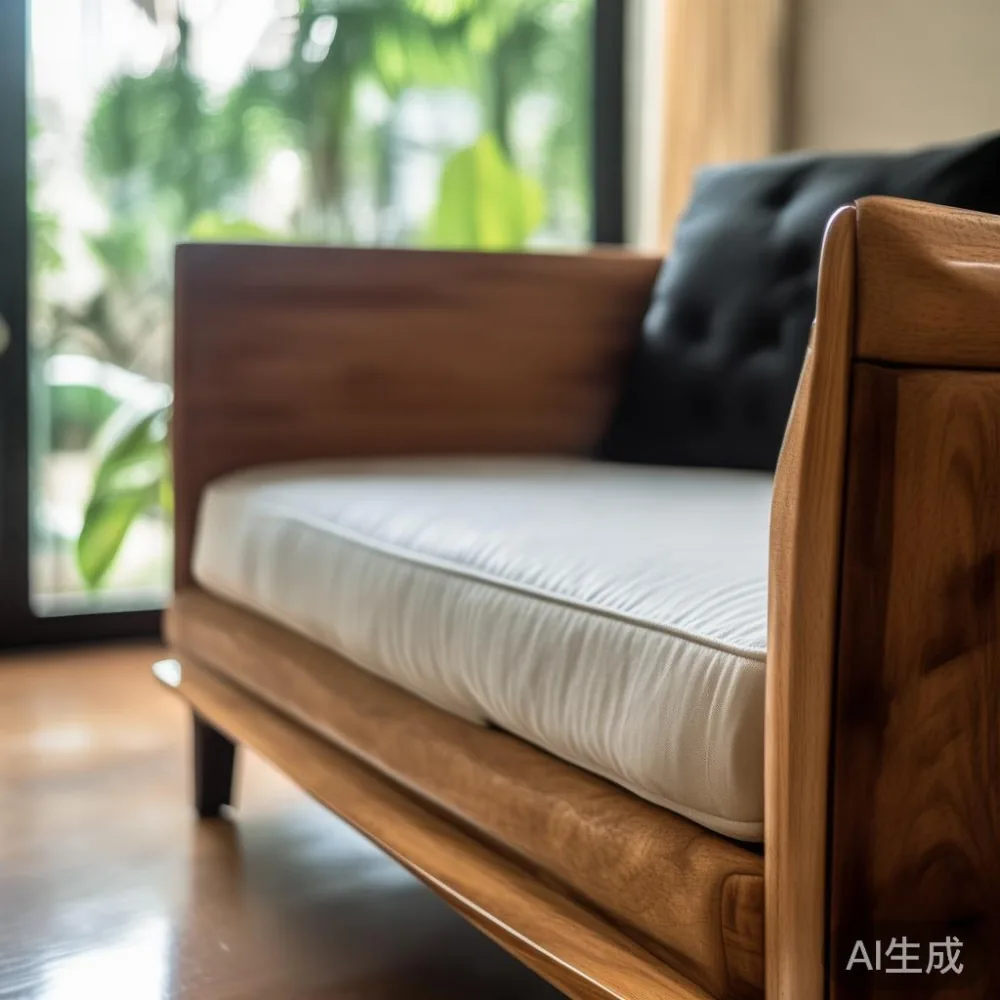
The local setting matters. A Tampines HDB flat may receive strong west-facing afternoon light through a unit window, while a Bedok or Punggol condo can have wide glazing and lower indoor humidity. Singapore’s annual rainfall averages roughly 2,340 mm, and coastal air can carry moisture and salt onto exterior surfaces. A lacquered dining table near a balcony may therefore face a harsher environment than the same lacquered nightstand beside an interior bedroom wall.
Lacquer finishes vary. Some pieces use a water-based coating, while others use solvent-based lacquer or a factory-applied conversion finish. Gloss, eggshell, and open-pore surfaces also behave differently. Check the maker’s care instructions before using water, oil, wax, alcohol, or silicone products. If the finish is uncertain, start with the gentlest method: a dry, clean microfibre cloth.
What makes lacquer vulnerable in Singapore?
Heat and sunlight can make a clear finish amber or uneven. In a room receiving direct sun for 4 hours each afternoon, a sofa placed close to a window may lose gloss faster than one positioned 1 m away. South-facing light is intense around the year in Singapore, while west-facing rooms receive late-afternoon exposure. Curtains rated for at least 40–60% light blockage can slow surface change, but they should not be mistaken for permanent UV protection.
Humidity can affect wood movement. Singapore’s monthly average relative humidity commonly ranges from about 70% to 85%, with afternoons often feeling damper. The wood substrate beneath a lacquer coating can expand and contract across seasonal changes. A well-finished lacquer helps reduce moisture exchange, but scratches and worn edges can expose timber. Keep solid wood furniture at least 15 cm from walls where practical, especially near air-conditioner outlets, and avoid abrupt airflow aimed at the panel.
Lift and corridor dimensions should also guide furniture placement. In many HDB blocks, a new wardrobe may pass through a 90 cm door but need careful turning in a 100–120 cm corridor. A 210 cm dining table cannot always travel vertically around a stair landing. Measure the route, lift opening, landing, and doorway before delivery, because forcing lacquered furniture through a tight corner can leave dents that appear weeks later. MIDHILL can confirm packed dimensions before dispatch, although every building’s access should still be checked.
How often should lacquered surfaces be wiped?
A light weekly wipe is usually more suitable than a deep clean every 7 days. Put a dry microfibre cloth on a dining table after meals, and use a slightly damp cloth on a solid wood sofa every 7–14 days, depending on use. Bed frames collect skin oil near the headboard, while lacquered wardrobes collect dust on top and around handles. Give each piece a quick check every 30 days and look for dull patches, sticky areas, or fine scratches.
For routine cleaning, use 1 cup of cool water with 1 teaspoon of mild dish soap diluted in a 1 L container. The mixture should feel nearly clear rather than sudsy. Dampen the cloth, never the furniture, and wipe along the grain or with the panel’s direction. Remove residue immediately with a second cloth. On lacquer with a known water-based finish, test a hidden 5 cm x 5 cm area first and wait 24 hours before treating the full panel.
Do not use a shower, steam cleaner, abrasive sponge, scouring powder, nail-polish remover, paint thinner, or household vinegar. Oil can temporarily make lacquer look richer but may leave a patchy film, so avoid furniture oil unless the manufacturer explicitly approves it. Waxes may be suitable on some lacquered surfaces, yet applying them incorrectly can trap moisture. Ask for a product recommendation tied to the exact finish before using any coating beyond the manufacturer’s guidance.
How should I remove fingerprints and sticky marks?
Fresh fingerprints usually lift with a clean microfibre cloth slightly dampened with water. Work gently across a 20 cm section, then check the sheen under daylight. If the mark remains, dilute one drop of mild soap in 500 ml of water. Avoid circular scrubbing, which can create a visible cloudy patch by spreading resin residue differently across the surface.
For sticky marks from adhesive, price labels, or model clay, do not scrape with a knife. First try lifting the edge with a plastic card at a low angle. If residue remains, test a barely damp cloth on the least visible corner. Isopropyl alcohol may be suitable on some industrial lacquer, but it can soften or dull coatings with poor compatibility, and it is not appropriate for every product. Let the area dry for at least 10 minutes and inspect it under oblique light before moving to the next section.
Children’s marker, crayon, and pen marks need extra restraint. A 70% isopropyl alcohol solution may help on a compatible lacquer, but start with 10 ml applied to a cloth rather than pouring liquid onto the table. Blot from the outside of the mark toward its centre. Repeat only after the area has dried for 10 minutes. If the mark still remains, a refinishing specialist is safer than experimenting on a 180 cm dining table centre.
Can I repair scratches on a lacquered surface?
Small marks can often be treated with lacquer polish matched to the finish. A scratch less than 1 mm wide may respond to a cotton bud and a tiny amount of suitable polish, but a deep gouge exposing brown wood needs filling and recoating. On a solid wood sofa arm or a lacquered nightstand drawer, touch-up advice should come from the maker because the wood species and clear coat affect colour matching.
Do not sand aggressively. A single pass with 1,500-grit paper might seem useful, yet lacquer can soften, lift, or burnish under hand pressure. A 2,000-grit sanding block can level a small isolated defect only after the correct repair sequence is known. Larger areas, especially a 90 cm wardrobe panel or a 60 cm dining table leaf, are better handled by a refinishing workshop.
On porous European oak, minor marks may need a different touch-up colour from sealed maple. French light luxury styling often uses pale oak, walnut, and cream upholstery, so a visible repair should be checked under the room’s usual lighting before use. Refinishing usually takes several days once transport and drying time are included. It should not be framed as an instant fix.
What is the safest way to move a lacquered piece?
Lift rather than drag. A lacquered bed frame can weigh 35–90 kg depending on its size and timber, while a dining table may weigh 40–80 kg. Remove drawers where the design allows, wrap each part in a moving blanket, and protect corners with foam. Use 2 people for a nightstand, 3 people for many wardrobes, and follow the labelled lifting points.
Plan a Singapore condo delivery around access measurements, not only room measurements. A sofa guide buyer should record the lift door width, lift interior depth, corridor turns, and stair handrail clearance. Leave about 10 cm of working space where possible. Book a timed delivery window of at least 30 minutes for a bed frame and 60–90 minutes for a large wardrobe. A curved lift wall or a low ceiling can require partial unpacking.
Protect the floor with 2 mm furniture pads or a temporary floor covering. Never place a lacquered surface directly on a damp balcony floor, even for 1 hour. For a marble table in the same home, use separate felt or rubber supports and keep the two surfaces from rubbing during humid periods.
How do I stop lacquer from fading near windows?
Keep furniture out of prolonged direct sunlight where possible. The practical distance is 1–2 m from a window if the layout allows, combined with curtains or blinds. Rotate a solid wood sofa every 2–4 weeks so one side does not receive all the light. For a dining table, use a centre runner that can be removed and cleaned rather than relying on permanent cloths over the lacquer.
Light can also expose a thin lacquer difference between old and new pieces. Compare colours in daylight, not at night under warm LEDs. A 4,000 K neutral bulb gives a more consistent inspection than a 2,700 K lamp, yet no indoor bulb replaces viewing the surface near the window at several times of day.
Use protective measures without creating a visual mismatch. French provincial coffee table styling can benefit from linen or cotton runners, while a light luxury for small living room arrangement may use a narrow tray, a ceramic vase, and a lamp rather than a dense covering. Keep warm décor 2 cm above the lacquer, and avoid wet plant saucers. A French wardrobe in bedroom can be softened with lighting and pale textiles without placing fabric directly against glossy doors.
How should I care for an Italian light luxury wardrobe?
An Italian light luxury wardrobe deserves the same discipline as a lacquered sideboard, but its tall panels and handles need a different routine. Dust the top weekly with a dry cloth and clean handles every 7–10 days. Check door gaps every 30 days, because humidity can affect alignment. Do not fill a wardrobe with damp towels or washing immediately after a shower; allow textiles to dry before storing them.
For an apartment, leave 5 cm behind tall cabinets if ventilation is adequate and keep them clear of exterior walls that collect condensation. If the wardrobe sits beside an air-conditioner vent, redirect the louvre where possible. A how to style European light luxury bed in bedroom arrangement should preserve airflow between the bed and wardrobe, not push both pieces tightly into a humid corner.
Use the mattress as a boundary for furniture movement. Leave 60–75 cm beside a queen bed for access, and 90 cm at the foot where the room permits. A how to style light luxury bed in apartment layout can use a slim nightstand, but leave a 5 cm gap from the headboard for cleaning. These details matter because a protected surface is easier to wipe when neighbouring objects can be moved.
How to style European light luxury bed in bedroom?
A calm bedroom arrangement reduces both visual clutter and cleaning pressure. Use one 60 x 90 cm nightstand on each side of a 160 x 200 cm bed, or one 45 x 50 cm unit if space is limited. Choose lamps with enclosed shades and place coasters beneath them. Keep plants on a separate stand rather than on the lacquered bed frame, and water them over the sink.
For a French light luxury room, pair pale textiles with warm timber and a restrained metallic accent. Avoid placing a fabric throw directly over lacquer for long periods, since dye and fibre transfer can be difficult to lift. If a throw is needed, use a clean cotton layer beneath it and remove it every night.
When choosing furniture, compare finish samples under daylight and touch them only after the coating has cured for the maker’s stated period. A post-modern light luxury scheme may mix a solid wood bed frame with a marble table in another room, but the maintenance rules remain specific to each material. Do not transfer a marble-table cleaning product to lacquer without checking the lacquer manufacturer’s approval.
What should I do before and after humid weather?
Before the heaviest humidity periods, wipe lacquered furniture and inspect for scratches while the air is dry. Keep windows closed during sudden rain when outdoor air is very damp, and run air-conditioning or a dehumidifier to a sensible indoor setting rather than an extreme number. Many Singapore homes use a 40–60% target as a practical starting point, though comfort and building conditions vary.
After rain, let balcony-adjacent furniture remain dry. If condensation forms, remove cushions and dry them separately. Do not wipe lacquer with a wet cloth while water is running down a nearby wall. Check under coasters and trays every 14 days because trapped moisture can be more damaging than a brief spill that is dried immediately.
A simple monthly check takes 10 minutes: top surfaces, handles, edges, door gaps, floor contact, and sunlight exposure. Record any change with a phone photo taken in the same position. If a repair grows from 2 mm to 20 mm, contact the maker promptly rather than waiting for the next seasonal cycle.
Can MIDHILL help with lacquer care and delivery planning?
Ask the supplier for the exact finish type, approved cleaners, repair contact, and expected curing guidance. MIDHILL has manufactured solid wood furniture since 2008 and exports to more than 15 countries, which is useful context for handling different lacquer systems and international care labels. The company provides a 10-year structural warranty, lifetime refinishing, and a 14-day return period; coating-related questions should still be documented with photographs and a purchase reference.
Shipping over US$350 is described as free by MIDHILL, while local prices in Singapore should be checked in SGD at checkout because GST, route, and promotion terms may affect the final figure. Delivery timing should be agreed in days rather than vague dates. For a Punggol or Tampines home, provide the lift number, floor, parking arrangement, and a named contact person who can receive the delivery within the stated window.
What is the simple 15-minute lacquer-care routine?
Start with the highest-touch surfaces. Wipe a dining table for 2 minutes, a wardrobe top for 2 minutes, and a bed-frame rail for 2 minutes. Check the sofa cushions and nightstand for spills for 3 minutes. Look beneath trays and lamps for 2 minutes. Finish by straightening the layout and leaving curtains closed during the hottest afternoon.
Use clean cloths, not a pile of colour-coded products kept under a sink. Replace a microfibre cloth after every 30 days or sooner if it has trapped grit, since particles can scratch lacquer. A small 20 x 20 cm cloth is enough for a nightstand; a 40 x 40 cm cloth suits a dining table. Keep water in a separate bottle, and never pour it directly onto a lacquered panel.
If a piece needs deep attention, ask for professional advice before applying oil, alcohol, solvent, or wax. Lacquered furniture can remain attractive for many years in Singapore when it is shielded from direct sun, cleaned gently, and moved without impact. The goal is not a showroom-perfect surface every morning, but a controlled routine that protects solid wood, keeps a solid wood sofa comfortable, and preserves the finish between proper refinishing intervals.