Caring for Lacquered Surfaces in a Tropical Climate: A Practical Sofa Guide
I keep a small lacquered teak stool beside my workbench in Tampines, and watching it age through one humid year taught me more about wood care than any brochure ever did. Within weeks of moving into the HDB flat, the polish had gone cloudy in patches, a thin ring appeared under a cold glass, and a faint bloom crept along the edge closest to the kitchen. None of that was the wood's fault. It was the climate, the lacquer, and a few habits I had not thought about. This sofa guide is for everyone who has just unboxed a glossy new solid wood sofa, bed frame, dining table, wardrobe, nightstand, or marble table in Singapore and is wondering how to keep the finish bright through 85% humidity, afternoon thunderstorms, and the constant whirr of the air-conditioner.
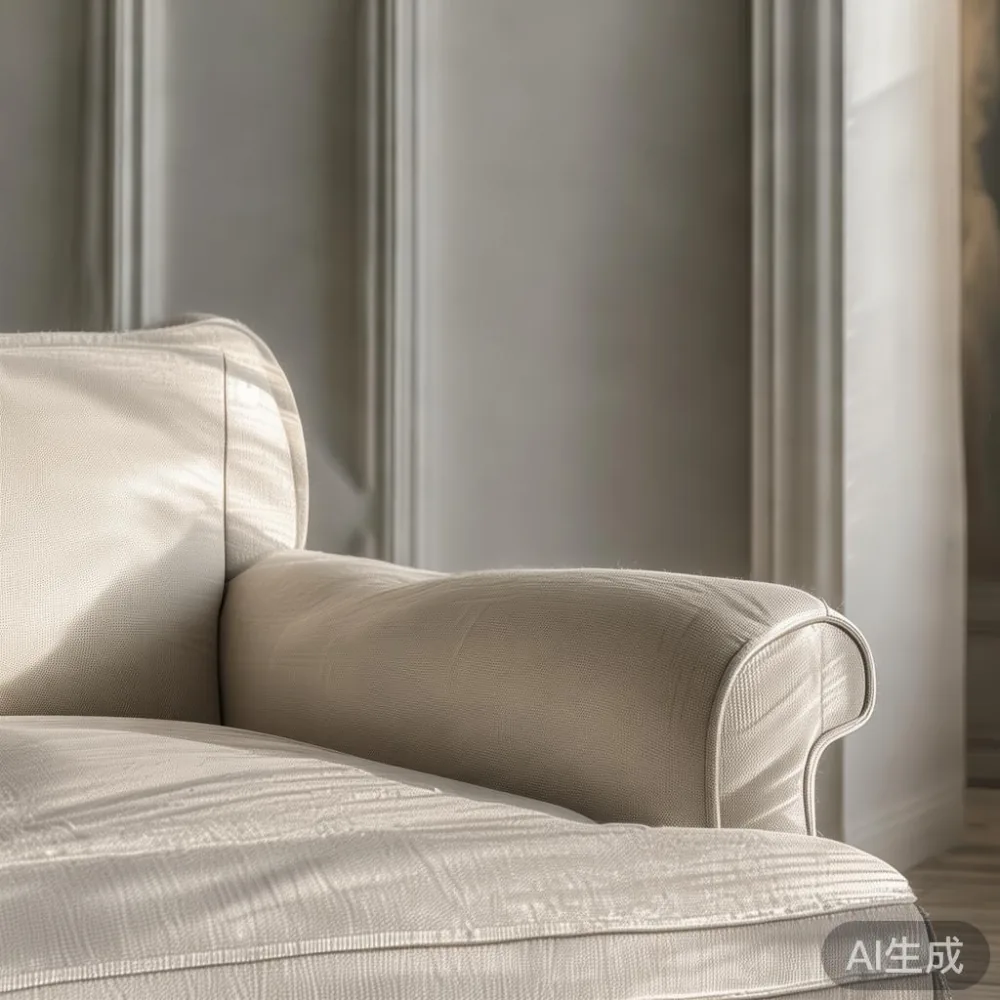
A lacquered surface is one of the most protective finishes a Foshan factory can apply, and yet it is also the one most exposed to user error in a tropical setting. If you are weighing a European light luxury sofa vs Nordic sofa for your客厅, the lacquer question often decides it: warmer-tone European pieces with high-gloss tops need a stricter routine than matte, oil-finished Nordic frames. Since the industry's pivot toward post-modern light luxury in the late 2010s, mirror-glossy dining tops and piano-black wardrobes have flooded the market, and they all need the same handful of habits.
Why Singapore's Climate Is Harsh on Lacquer
Singapore sits between 1°N and 1.5°N, with average relative humidity of 82–85% year-round. Indoor humidity in a non-air-conditioned corner of a Punggol EC easily reaches 78–80%. Lacquer is hygroscopic: it absorbs and releases moisture, which means the film expands at night and contracts at midday when the air-conditioner kicks in. Over 12 to 18 months that micro-movement creates checking (those tiny parallel cracks), blooming (a milky haze), and lifting along joinery where two pieces of solid wood move at slightly different rates.
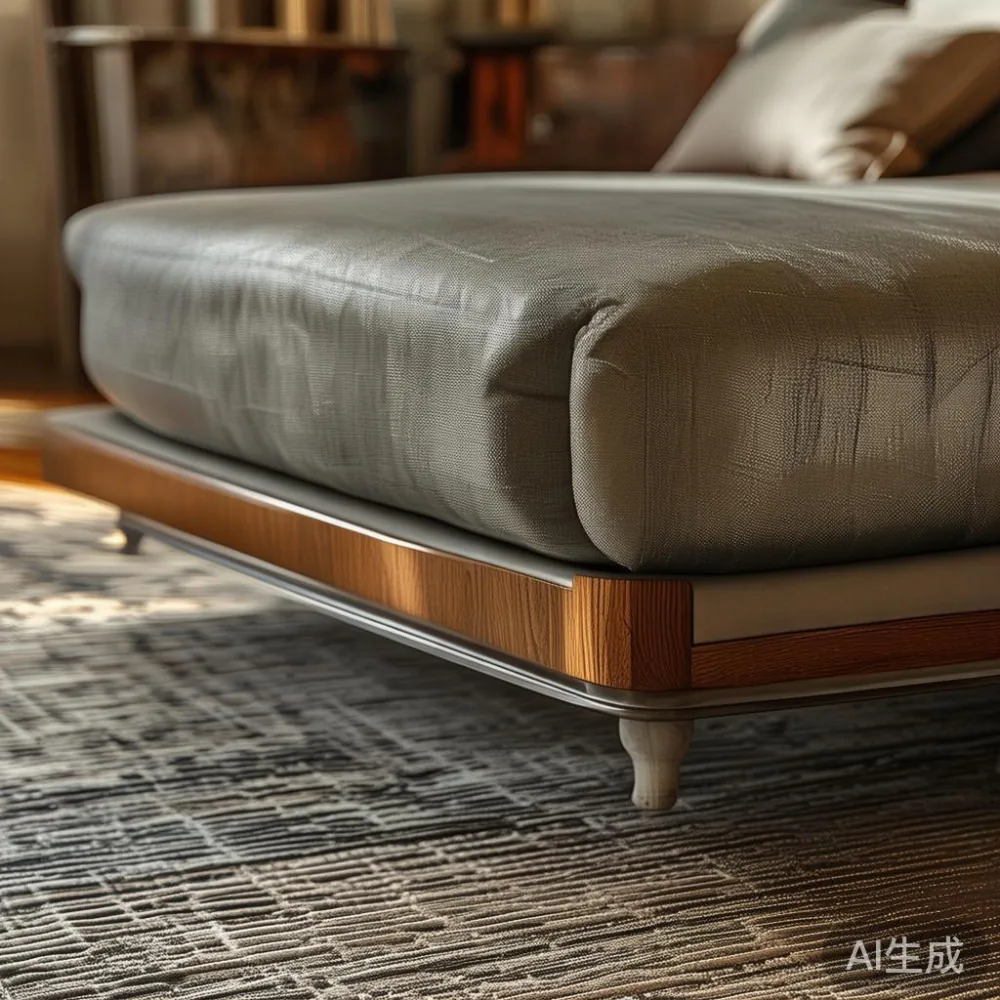
A lacquered dining table in a Bedok condo with floor-to-ceiling windows faces direct UV exposure that can fade a dark walnut top by 8–12% within two years. UV breaks the resin bonds in polyurethane and nitrocellulose lacquer, which is why a UV-filtering film (SGD 18–40 per panel) is one of the cheapest upgrades you can buy. Add the sodium chloride carried on afternoon sea breezes if you live within 6 km of the coast — Tampines, Marine Parade, Pasir Ris — and the film starts to pit and dull along the leeward edge of a wardrobe within 18 months.
What does "lacquered" actually mean, and is it the same as "painted"?
People often conflate the two. Painted finishes carry pigment inside the film (think French light luxury dressers with a soft matte cream), while lacquered finishes can be clear (showing the wood grain under a glassy film) or pigmented to look painted. The technical distinction matters: a clear lacquer over solid ash or oak reveals the figure of the wood and needs UV protection; a pigmented lacquer hides the wood and is easier to spot-repair. Most Foshan-made European-style pieces from solid wood furniture makers in the past five years use a multi-coat PU (polyurethane) system — typically three to five coats, sanded between each, with the final coat polished to a 60° gloss reading of 85–95.
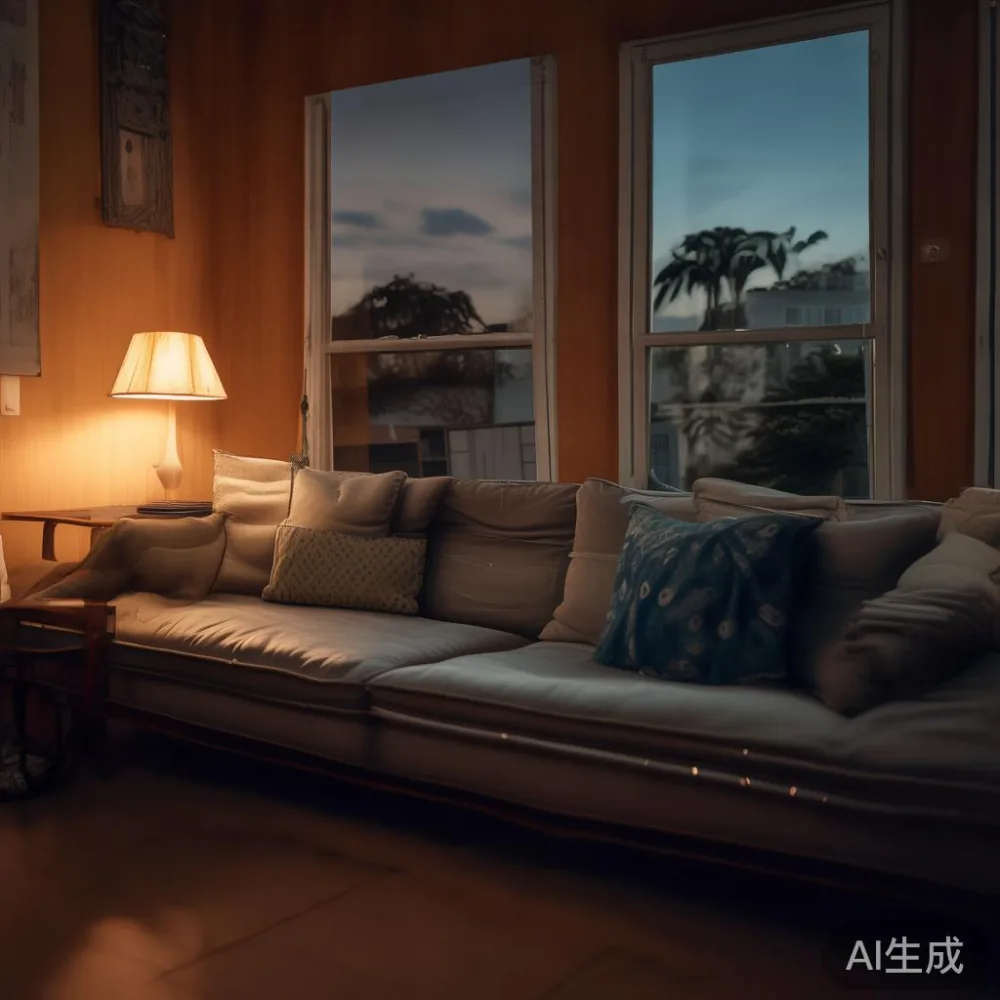
Resistance depends on what the top coat actually is. A PE (polyester) lacquer used on some piano-black wardrobes is the hardest at 4H pencil hardness but is brittle and chips white when struck. A PU top coat sits at 2H–3H and tolerates small movements well. A wax-oil finish, common on Nordic-style frames, scores barely H but repairs invisibly. Knowing which system your piece uses changes the products you can safely use on it — solvent-based cleaners will strip wax-oil but only streak a cured PU film.
What You Actually Need: Tools, Products, Costs
You do not need much, and most of it is cheaper than replacing a damaged dining top. Here is what I keep within arm's reach of my own lacquered pieces, with current Singapore price ranges:
- Two microfiber cloths (40×40 cm, 300–400 GSM): from SGD 4 each at NTUC or Don Don Donki. Wash them fragrance-free after every use; fabric softener leaves a film.
- One spray bottle of pH-neutral wood cleaner: 500 ml runs SGD 12–22. Brands like Pledge, Method, or the local label Botanica at Tiong Bahru work; avoid anything containing silicone oil or ammonia.
- One tin of paste wax (Carnauba-based, no silicone): 200 g for SGD 18–35. Applied twice a year, a thin layer cuts UV transmission and slows moisture exchange.
- Soft-bristle brush (boar or goat hair, 25 mm width): SGD 15–30. For the carved mouldings along a wardrobe or bed frame where cloths snag.
- Two felt coasters and one felt runner for the dining table: a set of four coasters starts at SGD 6, runners at SGD 14–24 at IKEA Tampines or HipVan.
- One hygrometer (digital, with min/max memory): SGD 10–18 from Challenger or Sim Lim Square. Calibrate with the salt test before first use.
Total startup cost for a complete lacquer-care kit: SGD 80–140 for an entire household. That is roughly the cost of three months of GST (9%) on a single flat-pack console — a small price for protecting a piece that costs twelve to thirty times that.
The Weekly Routine That Actually Works
The single biggest mistake I see in Singapore flats is over-cleaning. People spray-and-wipe a glossy dining top every day, and within six months the film has micro-crazed from the abrasion. Lacquer is harder than dust; dust is harder than you think. Here is the routine I now follow on my own pieces.
Once a week, wipe with a barely-damp microfiber, going only with the grain of the wood. Dry it immediately with a second cloth. Never use a paper towel on gloss — its fibers score the finish. If a fingerprint or sticky ring appears, one drop of the pH-neutral cleaner on the cloth is enough; spraying directly onto the surface can leave marks around the lacquered edge of a solid wood sofa where the foam meets the frame.
Once a quarter, apply a 1 mm layer of paste wax with the soft brush, let it haze for 20 minutes, then buff with a clean microfiber in straight strokes. The wax film reduces coefficient of friction by roughly 30% and slows moisture exchange by 40–60% in lab tests cited by the Forest Products Laboratory in Madison, Wisconsin. Buff until the surface no longer smears under your fingertip. Two coats per year is enough; more than that and you build up a soft layer that scuffs.
Once a year, do the coin test. Run a thumbnail across an inconspicuous edge under raking light. If you see a dull line, the top coat has begun to oxidise; a fresh coat of wax and a careful decontamination wash (one part white vinegar to ten parts distilled water, applied with a wrung cloth) will usually restore the gloss without needing a refinisher.
How Do I Deal With Cloudy Rings, Sun Damage, and Sticky Spots?
Cloudy rings from cold glasses are the most common complaint I hear from HDB owners. They appear when moisture penetrates the wax layer but not the lacquer beneath. The fix: place a cotton cloth over the ring, press with a warm (not hot) iron for 8–10 seconds, then re-wax. The heat redistributes the trapped moisture and the wax underneath. For rings that have set in for more than two weeks, use a paste of non-gel toothpaste (SGD 3–4 a tube) on a damp cloth, rub in the direction of the grain, and buff dry.
Sun bleaching on a marble table or lacquered dresser top near a Bedok floor-to-ceiling window: rub the affected area with a cloth dipped in walnut oil (SGD 12 for 100 ml at Phoon Huat), then buff. Walnut oil masks bleach marks on dark woods only — on light ash or maple you need a professional refinisher. Match this against the timeline of a delivery: MIDHILL ships Foshan-to-Singapore in 18–28 days, and a touch-up kit (4× brush pens, 50 ml solvent, 100 g wax) is included free on orders over US$350.
Sticky spots from spilled curry or sambal — never use acetone. Acetone strips lacquer in seconds. Instead, scrape with a plastic credit-card edge, then clean with a cloth dampened with mineral spirits (Singapore: paint thinner from Seletar Hardware, SGD 9 for 1 L). Test on the underside of the table first. Always work in a well-ventilated room and keep a window open for at least 20 minutes afterward.
Living Room Layout and the Lacquer Question
Where you place the piece matters as much as how you clean it. Lift landings in Punggol HDB blocks measure roughly 1.5 m wide by 2.1 m deep, and corridor widths run 1.2 m — so a 2.4 m lacquered sideboard will not fit through the lift door in one piece. Sectional sofa arms add another 12–18 cm of turning radius. Plan before you buy.
For a 90 sqm HDB living room, I usually pull lacquered pieces at least 60 cm away from the air-conditioner vent. Direct cold air drops the surface temperature by 6–9°C in ten minutes and the surrounding air stays warm; that differential causes the kind of micro-checking that no amount of wax can undo. For open-concept condos, the same rule applies to the gap under a ceiling fan running at speed 3 or higher. Airflow matters more than ambient temperature because it accelerates the moisture exchange that hazes a glossy top.
If you are comparing a European for small living room layout against an American light luxury one, remember that European consoles usually run 140–160 cm wide and 35–40 cm deep — perfect for tight Tampines three-bedders — while American light luxury counterparts run 180–220 cm and need the 2.7 m wall of an EC unit to breathe. A smaller lacquered surface in the right corner will outlast a glamorous oversized one crammed against a sunlit window.
Room sizes in 4-room HDB flats cluster around 90–95 sqm, with living rooms of 18–22 sqm. That is a tight brief for a solid wood sofa, a coffee table, and a media console. Three lacquered pieces that close to each other carry the same cleaning interval — a habit I keep, incidentally, for the MIDHILL wardrobe in the master bedroom, the matching nightstand, and the small marble table in the entryway. One routine covers them all.
Guest Rooms, Apartments, and the Way People Actually Use the Pieces
If you are picking a guest-room bed frame, remember that this is the easiest room in a Singapore home to ignore. Doors close, the air-conditioner runs 24/7, and humidity often drops below 50% overnight. That dryness pulls moisture out of the lacquer faster than humidity ever could, and the bed frame is the piece most likely to develop hairline cracks at the headpost where two rails meet. The fix is a 1-litre cool-mist humidifier (SGD 25–45 at Harvey Norman) running on low, plus a felt pad under each leg. Soft-padded feet transfer 40% less vibration to the joint during nightly use.
When clients ask about Mid-century modern for guest room styling versus a French light luxury guest suite, the lacquer profile is almost always the deciding factor. Mid-century modern pieces, whether solid oak, ash, or walnut, are usually oil-finished and forgiving in air-conditioned guest rooms; French light luxury looks are pigmented-lacquer, which holds up to a deeper cleaning but not to dry air. Pick your finish for the room you actually have, not the room you wish you had.
For a Mid-century modern for apartment brief, lacquered pieces should be at most 20% of the visible surfaces; the rest should be fabric, leather, glass, or matte ceramic. A 3-room HDB flat at 65 sqm has room for one lacquered hero piece — the dining table or the media console — and four or five supporting pieces in softer finishes. The ratio is what keeps the cleaning load realistic and avoids the "too many glossy surfaces" look that ages quickly in tropical light.
Do Light-Luxury Finishes Change the Rules?
Yes, and the difference is mostly in colour and UV. A French light luxury piece in pale cerused oak lacquer shows dust lines within hours and any spill as a watermark within minutes. Pigment hides, clear lacquer does not. An American light luxury living room with chocolate-stained walnut solids and warm amber lacquers forgives more — within reason. Post-modern light luxury dining sets from Foshan have shifted toward matte and tactile finishes in the past three years, partly because the market is fatigued by glossy surfaces that cannot survive the climate.
All of them still benefit from the same kit and the same weekly routine. If you have not seen the change in showrooms, the post-pandemic shift in Foshan is from 70–80% high-gloss to 50–55% matte and satin. The top 10 American furniture makers have gone in the same direction, as have European ateliers, for the same reason: lacquer loves to be touched with intention and resents being neglected in a humid climate.
A First-Person Note From a Tampines Service Call
Last month I visited a four-room flat in Tampines to inspect a water-damaged dining top. The owner — a gentleman in his sixties — had placed a 2.2 m American light luxury solid wood dining table within 1 m of a sliding glass door that faces west, and a potted fern sat permanently in the centre as a feature. After fourteen months the lacquer had yellowed and the joinery along the central leaf had lifted by 2 mm. He wanted to know whether to refinish or replace. Refinishing — sanding back to bare wood, sealing, three coats of PU, final polish — would have cost SGD 380–520 and taken a contractor two days on-site. A replacement solid wood sofa or extension dining table of equivalent quality, factoring freight, GST, and the fact that MIDHILL covers sea freight on orders over US$350, runs roughly SGD 1,800–2,600 landed. He chose refinishing, and the piece will be delivered back to the flat within 18 days. The story is a reminder: most lacquer damage that looks terminal is, in fact, a USD 300 fix, not a USD 2,500 replacement.
Two Solid Wood Furniture Habits That Save Money
First, rotate accessories. A lacquered console that always sits a lamp on the right edge will UV-fade unevenly. Move the lamp quarterly, or rotate the surface decoration. The same applies to felt runners — flip them every three months. Even fading adds years to a perceived finish.
Second, keep a small refinishing log in your phone: date, what you applied, photo. Within two years you will know exactly which surfaces in your home respond to wax, which prefer a wipe with mineral spirits, and which pieces are quietly degrading. This habit costs nothing and pays back every time you move house or list the flat for rental. Singapore tenants notice when a piece has been cared for, and so do buyers of resale HDB flats. A dining table refinished in 2024 still reads as new in 2027 if the log shows quarterly wax and quarterly rotation.
When to Call a Professional Instead
If the lacquer has cracked down to bare wood, if the film has yellowed more than 20%, or if the joinery is lifting, stop using household products. A Foshan-trained refinisher can re-coat a 2 m dining top in two days for SGD 300–600 depending on the system used. For pieces under a 10-year structural warranty from a solid wood furniture maker such as MIDHILL, the cosmetic finish is usually covered for the first 12 months against manufacturing defects — beyond that, in-home refinishing and lifetime polish services are often available at a flat fee of SGD 120–180 per visit. Take advantage of them; they are cheaper than replacement and much faster than a new import.
Singapore's humidity is not going anywhere. The lacquer on your dining table, the polish on your marble table, the gloss on your bed frame, the sheen on your wardrobe and nightstand — every surface wants the same five-minute weekly habit and the same once-a-quarter wax. With those two habits in place, even a glossy European-style piece delivered in the wet season will still look like new when you hand back the keys to your next flat.