Caring for Lacquered Wood Furniture in Singapore: A Sofa Guide for Tropical Homes
I spent a Saturday afternoon last month at my cousin's new Tampines HDB in Simei, watching her nervously wipe a ring of condensation off a brand-new oak dining table that had been delivered from Foshan six days earlier. The air-con was set to 24°C, yet the tabletop still felt faintly cool and tacky to the touch. That moment framed everything I want to share in this sofa guide: lacquered solid wood furniture behaves differently in Singapore's climate, and a few small habits can decide whether your surfaces still glow after a decade or go cloudy after two monsoons.
MIDHILL has been building solid wood pieces — sofa frames, bed frames, dining tables, wardrobes, and nightstands — from their Foshan workshop since 2008. Their pieces ship to more than fifteen countries, including Singapore, and arrive with a ten-year structural warranty plus lifetime refinishing support. Because the same workshop handles export orders from Tampines to Bedok to Punggol, the care advice on their care cards is calibrated for a coastal, 28–32°C, 80–90% RH reality. That detail matters more than most buyers realise when they are browsing a sofa guide.
Why Singapore's climate is unusually hard on lacquer
A lacquered surface is, in plain terms, a thin skin of cured resin laid down in five to eight coats and polished between each. Each coat adds roughly 0.03 mm of film thickness. On a 1.8 m dining table top or a 2.1 m wardrobe door, that is roughly 70–90 g of cured film holding your wood's colour in place. Singapore's twin stressors are heat and relative humidity. Indoor RH regularly swings between 65% at 2 a.m. and 92% just before a 4 p.m. thunderstorm. Solid wood responds by gaining and losing moisture through its end grain, and the lacquer responds by expanding and contracting faster than the wood underneath it.
The result, over twelve to eighteen months, is micro-cracking called "checking." You will see it first on the sunward corners of a marble-topped coffee table where the lacquer meets the stone insert, and along the exposed end grain of a bedside table that sits two centimetres from a south-facing window. MIDHILL finishes most of their tops with a closed-pore NC (nitrocellulose) base coat plus a UV-cured polyurethane top coat. That stack is rated for RH up to 85% in continuous service, but it still needs help from you.
The 20-minute weekly routine that prevents 90% of problems
Adopt a Saturday morning rhythm. Twelve minutes for the living room sofa frame, bed frame, and dining table; eight minutes for the wardrobe fronts and nightstands. The tools are simple: two microfibre cloths (one dry, one slightly damp), a bottle of pH-neutral wood soap, and a soft-bristle brush for the joinery.
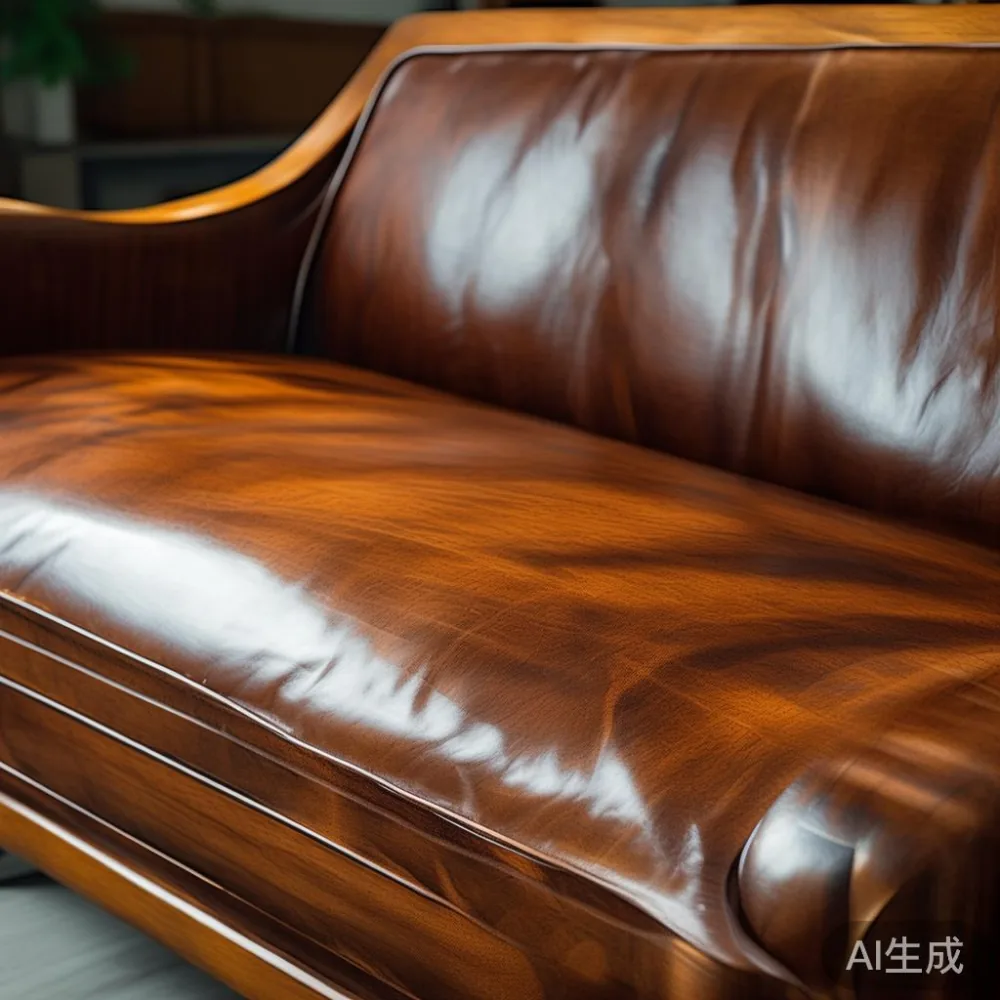
Wipe in the direction of the grain, never across it. A cross-grain wipe on a lacquered surface creates micro-scratches which scatter light and slowly turn a glossy finish satin. On a 2.4 m three-seater sofa, dolly the cushion base every fortnight so the same square of fabric does not always sit under the air-con vent. Lift, do not drag, when moving a heavy dining chair — the cast aluminium feet on most MIDHILL dining chairs weigh 0.9 kg each, but a 6 kg chair dragged across a timber floor will imprint scratches the eye can read from across the room.
Air-con target: 24–26°C, dehumidifier target: 55–65% RH. A SGD 199 dehumidifier running four hours a day will cost roughly SGD 4–6 per month on Singapore's regulated tariff, which is far cheaper than one refinishing job.
What to do in the first 30 days after delivery
Most problems I have seen in Singaporean homes show up between day 14 and day 60, not because the furniture is faulty, but because the buyer assumed the wood was "done." Solid wood continues to settle into the local RH for roughly three to four months. Leave 2 cm of breathing room behind every wardrobe. Keep a 5 cm gap between a nightstand and a feature wall so air can move. Never push a bed frame flush against the air-con's cold-air plume, because the temperature delta across the panel can exceed 6°C and will stress the lacquer film at the weakest joint.
Do not apply any wax, silicone spray, or coconut oil for the first 90 days. The factory finish is still off-gassing, and a wax applied now will seal moisture inside the film. If the piece arrives with a protective film on top, peel it within 24 hours, especially anything facing a window, because trapped moisture between film and lacquer will leave a permanent ghost mark. Lift the protective film at a 45-degree pull, not straight up, to avoid tearing off micro-layers of top coat.
How do I choose a loveseat for a balcony?
Pick a loveseat built around kiln-dried solid wood with a marine-spec lacquer stack, because a balcony in Punggol or Bukit Batok gets rained on sideways even under a roof, and any indoor-grade piece will check within one season.
For a 1.4–1.6 m wide HDB balcony, a 1.2 m loveseat leaves 20 cm clearance on each side, which is enough for the HDB-standard 0.9 m sliding door track plus your knees when you carry a tray. Check the lift opening in your block before ordering. Older blocks along Bedok Reservoir have a lift car interior of roughly 1.1 m wide by 1.4 m deep; a flat-packed 1.2 m loveseat in its 1.25 m box will fit, but a fully assembled 1.2 m frame will not. MIDHILL ships their balcony pieces flat-packed for exactly this reason. Ask the delivery crew to assemble on the balcony if the corridor width is under 1.5 m, which is common in 1990s walk-ups.
For style, French boho style in Singapore is having a real moment in balcony makeovers because rattan, washed linen, and pale oak read well against the tropical greenery. Anchor the loveseat with a small marble table (60 cm round is plenty) and a single ceramic planter; both materials tolerate morning dew without spotting the way untreated timber does. Budget roughly SGD 1,400–2,200 for a solid wood loveseat, SGD 380–650 for the marble side table, plus SGD 80–140 for delivery to a non-lobby floor. GST at 9% is added at checkout.
Spot fixes for the four most common Singapore problems
Cloudy white rings from a cold drink on a lacquered dining table: place a microfibre cloth over the ring, press a warm (not hot) iron onto the cloth for eight seconds, lift and check. Repeat up to three times. The heat re-flows the waxes in the top coat.
Sticky tropical film on a wardrobe door: humidity has bloomed mould spores into the surface oils. Wipe with a cloth dampened with a 1:4 solution of white vinegar and distilled water, then dry within 60 seconds. Never leave the surface wet, because standing water will mark a polyurethane film.
Hairline cracks along a bed frame side rail: usually a sign the room is too dry, not too humid, because the wood has shrunk faster than the lacquer. Run the dehumidifier less and add a small bowl of water near (not touching) the bed for two weeks. If the crack opens beyond 0.5 mm, photograph it and contact the seller under the structural warranty — a good maker will arrange a touch-up kit by courier within seven to ten working days, which is the typical Singapore-to-Foshan back-and-forth for warranty parts.
Yellowing on a white or cream lacquer: a normal UV response after roughly 1,800 hours of direct light. Move the solution window or rotate the solution piece every quarter. A light-luxury American light luxury cream piece will yellow more visibly than a post-modern light luxury grey, but both can be lightly buffed with a 3,000-PDF micro-mesh pad once a year.
When to call the maker versus when to DIY
DIY when the issue is surface-level: dust, light smudges, water rings, and small scratches under 5 cm. The tools cost less than a SGD 25 touch-up kit, which usually contains a wax stick in three wood tones, a melting tool, and a clear top coat pen.
Call the maker when the issue is structural: a cracked joint, a split panel wider than 1 mm, a loose tenon on a bed frame, or a peeling top coat larger than a 50-cent coin. MIDHILL's lifetime refinishing service is one of the few in the industry that lets a Singapore customer ship a single wardrobe door back to Foshan for a full strip-and-recoat for roughly SGD 280–420, including GST and return courier. That is cheaper than buying a new wardrobe and keeps a heavy 80 kg piece out of a Sembcorp incinerator.
Reading a care card the right way
Most Singapore buyers toss the care card with the foam wrap. Read it. A solid wood stack care card from a serious workshop lists three things: the lacquer type, the recommended indoor RH range, and the warranty window for refinishing. If a card only says "wipe with a dry cloth," the maker has cut a corner, and the piece will not last a Singapore decade.
Look for the small print on the underside of every drawer and door. MIDHILL stamps a batch code plus the dispatch date. A piece dispatched in March 2024 from Foshan reaches a Singapore door in roughly 18–24 days by sea, or 7–10 days by air freight at a SGD 220 premium. Knowing the dispatch date helps you time the first 30-day settling routine. Free shipping kicks in above US$350, which is about SGD 480 at the prevailing 1.34–1.37 rate, so a single sofa, dining table, or bed frame usually clears the threshold on its own, but a nightstand alone will not.
Designing around the climate, not against it
Layer the room so the wood is the quiet hero. Pair a solid wood sofa frame with washable linen-cotton blend cushions in 60×60 cm and 45×45 cm sizes, which can be rotated every fortnight. Pair a bed frame with a breathable latex topper, because latex buffers RH swings better than memory foam. Place a marble table in the brightest part of the room so its cool surface counters the visual warmth of the timber. Hang a sheer linen curtain at the brightest window to cut UV by roughly 40% without darkening the room. These are the small moves that turn a Singapore interior into a French boho style singapore balcony moment — light, airy, and designed for a tropical afternoon.
Buy less, buy once. A solid wood piece built to last fifteen to twenty years costs roughly SGD 0.40–0.60 per day over its life, which is less than a SGD 4 kopi at the void deck. A cheap veneer piece replaced twice in the same window costs more and lands in a landfill twice. The right care routine, applied for ten minutes a week, keeps that math in your favour, and keeps the glow on your lacquer long after the first Tampines thunderstorm has passed.