How Humidity in Southeast Asia Affects Solid Wood Furniture
I still remember the first time a customer sent me a photograph from her balcony in Tampines. She had placed a pale oak chair outside for ten minutes while wiping the floor, and by the time she carried it back in, the backrest had visibly warped roughly 4 mm along one rail. Singapore sits on the equator. The average relative humidity hovers between 78% and 88% for most of the year, and during the December to February monsoon surge it can climb above 92% for days at a stretch. If you own or are planning to buy a solid wood sofa, a bed frame, a dining table, a wardrobe, or even a small nightstand, these numbers matter more than the finish colour you choose. This sofa guide for tropical climates will walk you through what actually happens inside the wood, what it means for your home in an HDB flat or a Punggol condo, and what you can do about it without turning your living room into a laboratory.
Why 80% humidity is not the same as 50% humidity
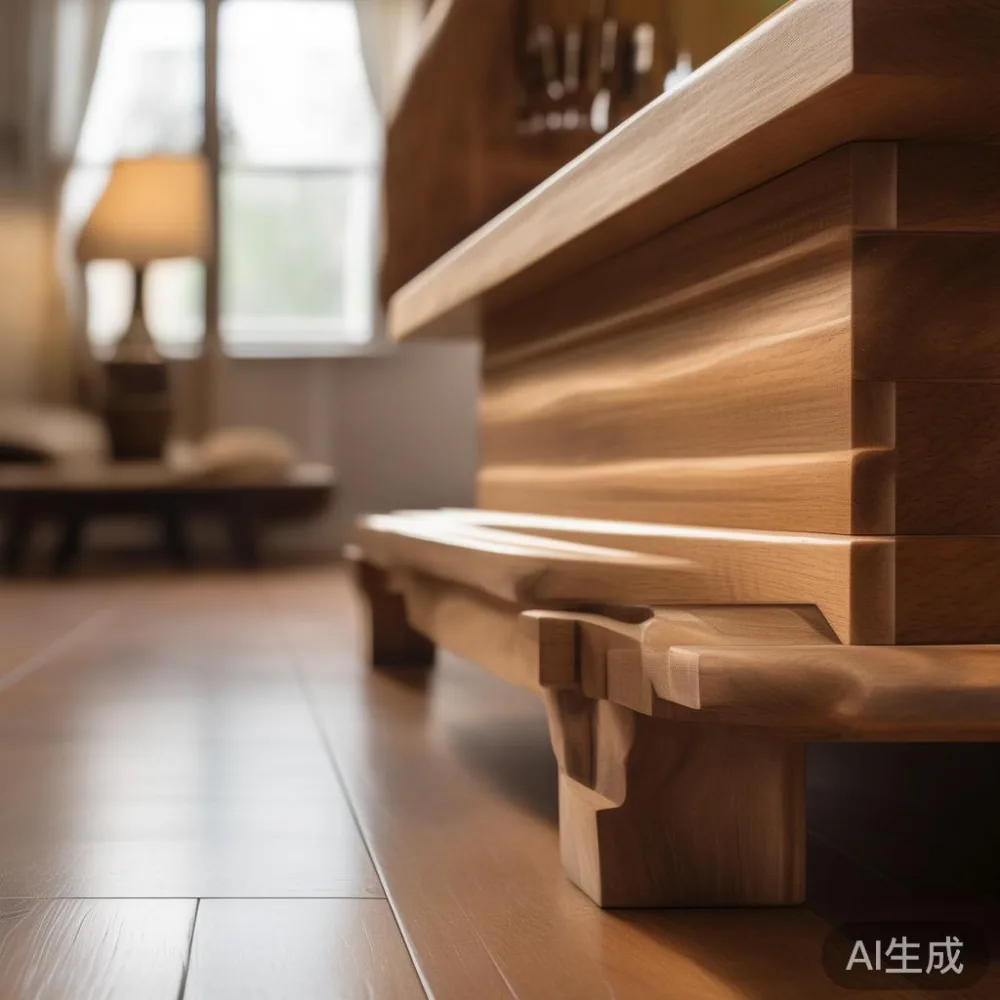
Wood is hygroscopic. That single word explains almost every problem I see on site visits. Inside every board, there are cell walls full of cellulose and hemicellulose that absorb and release water vapour depending on the surrounding air. When the relative humidity rises from 55% (typical of a temperate showroom in Foshan) to 82% (typical of a Singapore afternoon), an oak board can swell by roughly 2% to 3% across its width. A 220 cm long dining table top, sitting on a frame that is only 75 cm wide, will not grow evenly. The long grain expands less than the end grain, so the panel cups slightly toward the centre. Add an air-conditioner set to 24 °C that dries the room to 45% for eight hours overnight, and you have a 37 percentage point swing every single day. Over a month, that is the equivalent of the wood being asked to run a half marathon while carrying a 15 kg backpack.
This is the part where I lean on my own experience. Last month I visited a resale flat in Bedok with a 4-room layout, about 92 sqm. The owners had bought a solid wood sofa from an online listing six months earlier. The sofa guide they had been given said nothing about humidity. By the time I sat down, the armrests were 6 mm taller on the side closest to the corridor window, the cushions no longer sat level, and there were three hairline cracks on the back panels. A hygrometer I placed on the coffee table read 86% near the window and 71% near the air-con. That 15 point gradient across a 3.4 m客厅 was producing visible movement in just twenty-six weeks.
What exactly happens to a solid wood sofa in the tropics?
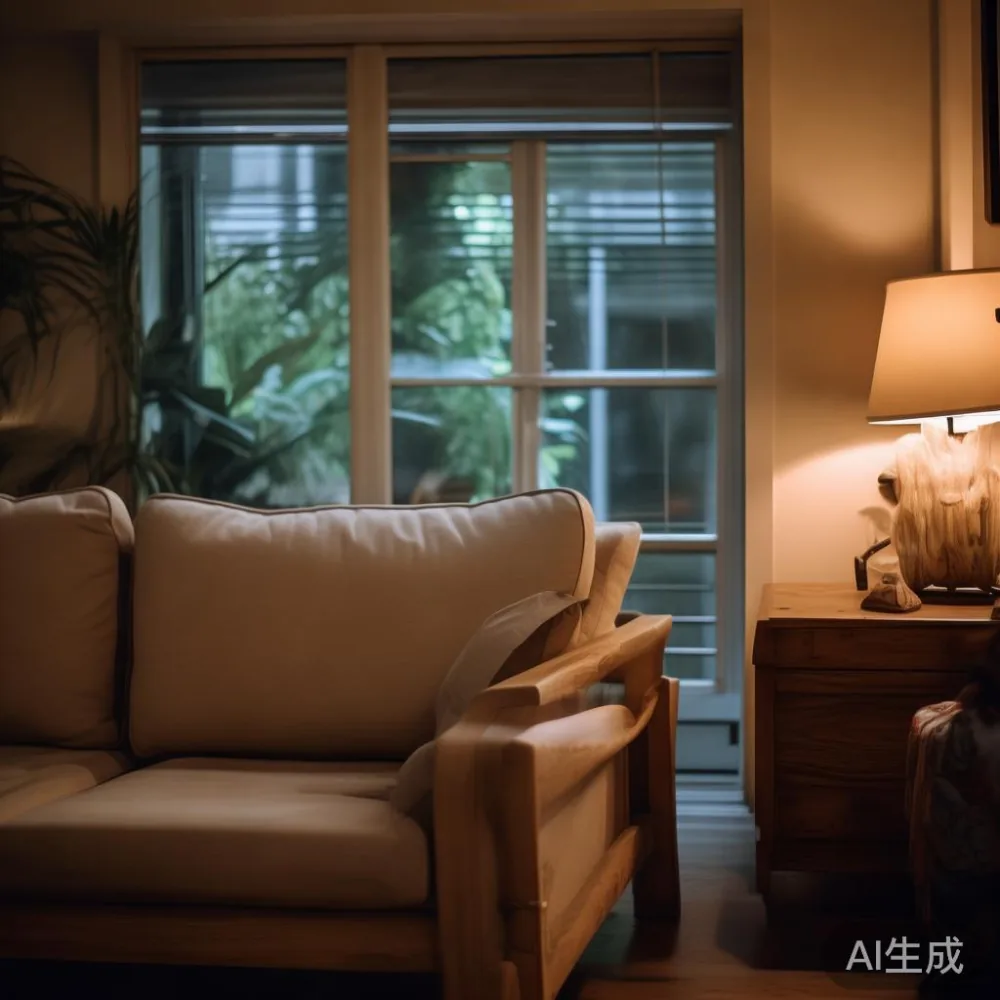
Three things tend to go wrong, in this order. First, the frame loosens. Traditional mortise and tenon joints, dowels, and even modern corner blocks rely on the wood staying within a stable moisture range of 8% to 12%. Tropical air pushes that moisture content up to 14%, 16%, sometimes 18% in poorly ventilated rooms. The wood swells, the glue line gets stressed, and within twelve to eighteen months you start to hear small creaks when you sit down. Second, the panels cup and bow. A 180 cm long seat platform on a French light luxury style sofa will dish inward by 2 to 5 mm when humidity is high, then flatten out when the air-con runs. Repeated cycling eventually cracks the finish along the grain. Third, mould and mildew appear on the underside of frames and inside wardrobes, especially in rooms that are not used daily. Spores need 70% relative humidity or higher to colonise, and Singapore gives them that almost every night.
For a bed frame, the consequences are similar but the geometry is worse. Slats span 90 to 120 cm, and any cupping there translates into a mattress that does not sit flat. I have measured slat gaps of 8 mm at the centre of a queen bed after one monsoon season, which is enough to let a 25 cm thick latex mattress sag and eventually void its own warranty.
Will my marble table and wardrobe survive the same conditions?
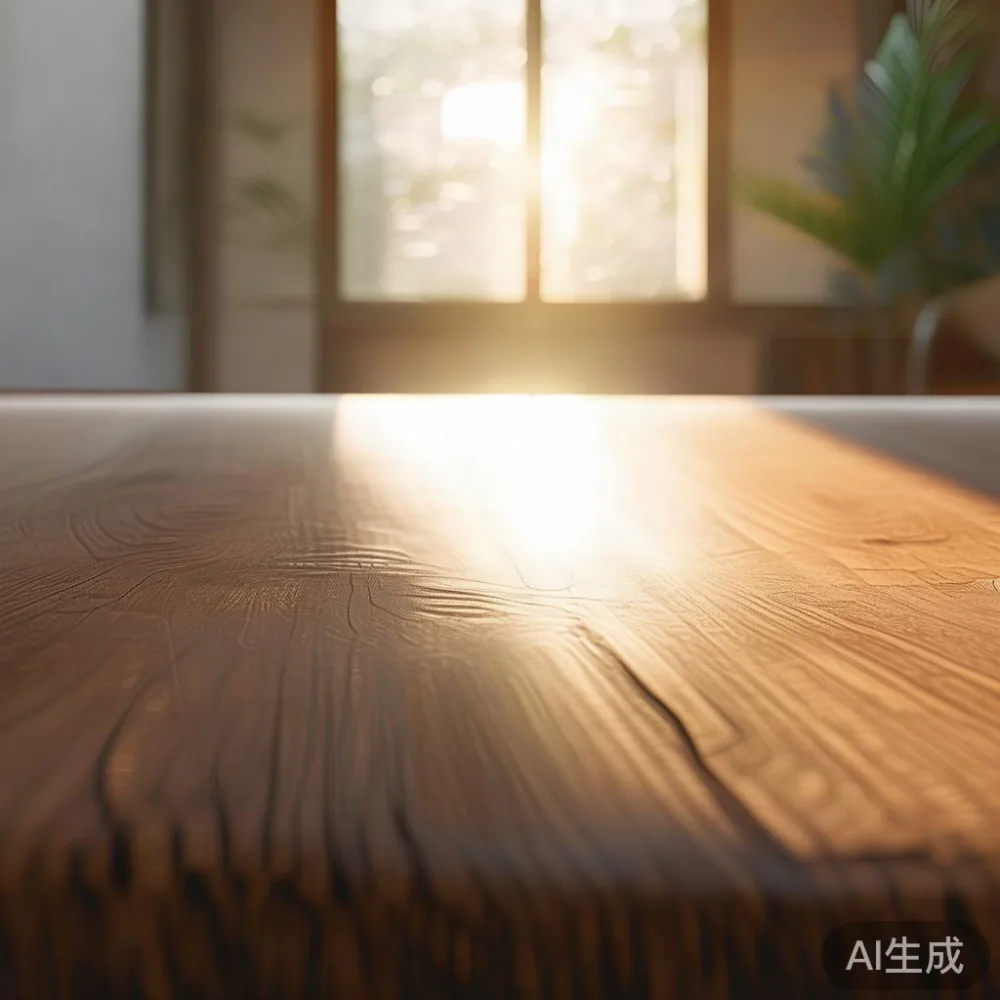
Marble behaves differently. It does not absorb moisture in the same way, but it does absorb oils and salts, and the steel brackets or wooden sub-frames that support a marble table will still move. A 120 cm round marble top on a wooden pedestal in a condo near Punggol Waterway can show a 1 to 2 mm step at the seams if the sub-frame twists during the wet season. The stone itself is fine; the support system is the weak link. As for wardrobes, they are the most vulnerable piece of furniture in any HDB bedroom because doors close for hours, trapping humid air inside. Interior relative humidity inside a closed wardrobe can exceed 90% even when the bedroom reads 78%. Hanging a small rechargeable hygrometer for SGD 18 from a local hardware chain will tell you everything you need to know within a week.
Nightstands are smaller, but they sit closer to the floor where humidity is highest. A 45 cm tall nightstand on a concrete slab in a ground-floor flat can read 4 percentage points higher at its base than at its top. Over two years, that gradient opens the glue joints on the drawer faces. I have seen drawers that fit perfectly on delivery day stick or wobble by month six in ground-floor units without false ceilings.
How do I control humidity without ruining my electricity bill?
Three habits handle roughly 80% of the problem. Run the air-conditioner in dry mode for thirty minutes before bed, not all night. Set the thermostat to 26 °C instead of 22 °C; each degree lower adds about SGD 25 to SGD 35 a month to your bill at current SP Group tariff rates, and the extra cooling buys you only 2 to 3 percentage points of humidity. Place a small dehumidifier rated at 12 L per day in the wardrobe or storage area; a decent Midhill-suitable domestic unit costs between SGD 189 and SGD 269 and pulls the wardrobe interior down to 55% within four hours. Finally, leave wardrobe doors cracked open by 3 to 4 cm for an hour each morning so trapped night moisture can escape. None of these steps require renovation, and together they cost less than SGD 40 a month in extra utilities.
Keep furniture 8 to 10 cm away from exterior walls. HDB flats in Tampines and Sengkang often share a wall with the corridor, and corridor humidity can run 5 to 8 points higher than the inside of your unit. That 8 cm gap is enough to let air circulate and keep the back panels dry. Use felt pads under every leg, including on carpets. They prevent moisture wicking from the concrete screed, which in newer BTOs can hold residual construction moisture for up to eighteen months after TOP.
How should I pick a solid wood sofa that can handle a Singapore home?
Look at three numbers on the spec sheet before you fall in love with the colour. The wood species and its average moisture content at the factory. Kiln-dried oak or ash at 8% to 10% is far safer than air-dried rubberwood at 14%. The joinery method. Mortise and tenon with hide glue, or dowels with cross-grain blocking, will move with the wood instead of fighting it. Pocket screws and only glue will crack within a year. The finish. A polyurethane sealer is more moisture resistant than a penetrating oil, but it also traps any future movement, so choose open-grain finishes only on pieces with very stable frames.
This is also where the sofa guide logic extends to category selection. If you are weighing a Japanese sofa vs Nordic sofa for a compact 4-room HDB, the Japanese approach usually wins on humidity tolerance because the frames are lower, the cushions sit on woven belts that breathe, and the geometry has fewer large flat panels that can cup. A Nordic sofa, with its longer seat platforms and bigger side panels, looks beautiful in a 1,200 sqft condo but asks more of the wood. For buyers searching for french sofas for sale, the same caution applies: many French light luxury designs use beech or walnut frames with thin decorative overlays, and those overlays are the first to lift in 85% humidity.
American light luxury and post-modern light luxury styles tend to use thicker, chunkier frames that hide small movements better. A 95 cm deep American sofa in performance fabric with a kiln-dried hardwood frame is a sensible choice for a family living in Punggol or Jurong East. If you are researching how to style American sofa in apartment settings, lean toward darker walnut or smoked oak finishes that camouflage the seasonal micro-movements that lighter oak cannot hide. For those planning how to style European light luxury bed in room layouts, ask the supplier for the moisture content certificate. Reputable Foshan factories such as MIDHILL, which has been exporting solid wood seating since 2008, kiln-dry to 8% before assembly and can show the reading on request.
Does HDB delivery and lift access change what I should buy?
Yes, and most buyers ignore it. Standard HDB passenger lifts in blocks built after 2010 measure roughly 1.1 m wide by 1.4 m deep, with door openings of about 0.9 m. A solid wood sofa longer than 220 cm or deeper than 95 cm will not fit through the lift in one piece. Older lifts in Bedok and Marine Parade can be as narrow as 0.95 m by 1.2 m. If you order a sofa that arrives in a single 240 cm box, the delivery crew will ask you to remove the door frame at your own cost, which runs SGD 120 to SGD 220 per opening. Modular sofas that split into two or three sections, each under 100 cm wide, glide through any lift and any HDB corridor turn. Corridors are typically 1.2 m wide with occasional 90 degree turns; a 210 cm L-shaped sectional will not negotiate the turn even if it fits the lift.
For a dining table, the same math applies. A 180 cm six-seater usually ships in two 100 cm boxes plus a base, which fits. A 220 cm eight-seater often ships in one 230 cm crate, which does not. MIDHILL and other experienced Foshan exporters default to a 180 cm to 200 cm maximum length for Singapore-bound dining tables for this reason, and they quote a 25 to 35 day sea freight followed by a 3 to 5 day local delivery to your door, with free shipping above US$350 (about SGD 475) and a 14-day return window if the piece arrives damaged.
What about warranty, refinishing, and long-term care?
Ask the brand what happens at year five and year ten. A 10-year structural warranty on frames and joinery is a real signal that the factory kiln-dried properly and used stable joinery. A lifetime refinishing offer is rarer and more useful in the tropics: it means you can ship the piece back, get the surface re-sanded and re-sealed, and have it returned at a fraction of replacement cost. In Singapore, a single on-site refinishing of a 200 cm dining table top typically costs SGD 380 to SGD 550, so the lifetime option pays for itself by the second service. MIDHILL, for example, ships its warranty terms in plain English in every container, which removes the usual guesswork.
For daily care, wipe with a barely damp microfibre cloth, never a wet one. Condition the wood every six months with a hard wax oil, which costs about SGD 28 to SGD 45 for a 500 ml tin and covers a full dining set. Rotate cushions on the sofa once a month so the foam does not develop a permanent set from gravity and humidity combined. Vacuum the inside of wardrobes weekly; dust holds moisture against the wood. None of these steps takes more than ten minutes, and they extend the life of a solid wood piece well past fifteen years, which is roughly the lifespan I see in resale flats where original owners cared for their furniture properly.
Is the answer to avoid solid wood altogether?
No. Solid wood is still the most repairable, most beautiful, and most sustainable choice for a Singapore home, as long as you respect the climate. Engineered boards with MDF cores handle humidity swings better in the short term, but once the edge band fails or the core swells, they are landfill. Solid wood warps, yes, but it can be sanded, refinished, and restored multiple times. A 100-year-old teak sideboard in a Tiong Bahru walk-up is proof. The trick is to buy from a maker who kiln-dries correctly, joinery that moves, and a finish that breathes.
If you are browsing for sale French furniture or comparing top 10 French furniture lists online, do not pick by the photograph alone. Ask for the moisture content reading at the factory, ask about the joinery, ask whether the frame is shipped in one piece or modular, and ask how the warranty works after the GST 9% invoice is paid. A French or American or post-modern light luxury piece can absolutely live happily in a Tampines HDB or a Punggol condo for decades, as long as you give it the same respect you give your air-conditioner. Browse current MIDHILL collections and full specifications at www.midhill.co before you decide, and bring a small hygrometer to the showroom if you can. Ten seconds of measurement in the showroom will save you ten years of frustration in the living room.