How to Care for Lacquered Wood Furniture in a Singapore Home: A Sofa Guide That Covers the Whole Room
I still remember the afternoon a Tampines couple called our showroom. Their three-year-old solid wood sofa had gone cloudy around the armrests. They blamed the brand. The real culprit was a sticker on the inner box: "Wipe weekly with a damp microfibre cloth." They had been wiping it daily with a wet cotton rag for thirty-six months. One conversation, one tea towel, three years of damage undone. That visit reminded me how much a short, locally tuned sofa guide can save a Singapore household from the most common lacquer mistake. MIDHILL has been finishing solid wood pieces in our Foshan workshop since 2008, and the questions we field from Punggol BTO owners, Bedok resale families, and Bukit Timah condo tenants all reduce to the same handful of habits.
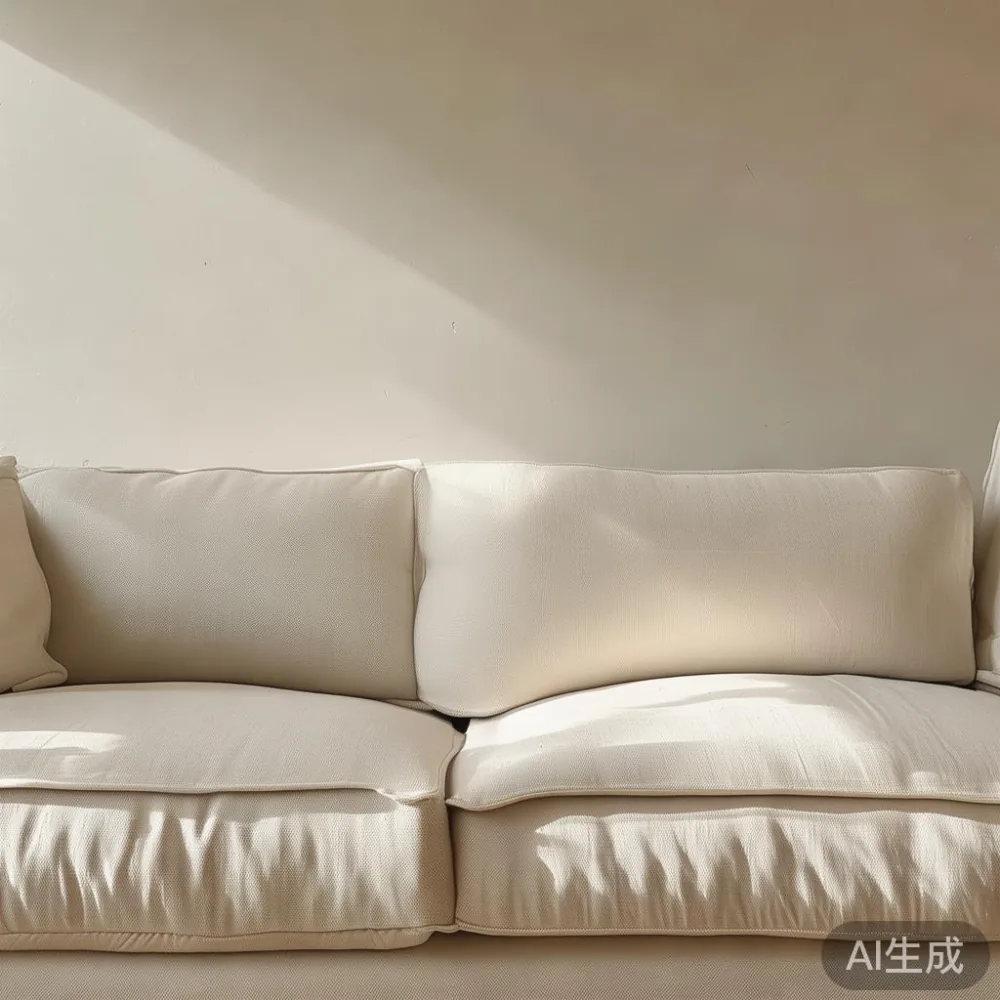
Singapore throws three things at a lacquered surface: UV that does not quit, humidity that swings between 55% at noon and 90% at midnight, and air-conditioning that yanks moisture back out of the wood. Your bed frame, dining table, wardrobe, nightstand, and marble table companion pieces all carry the same finish, so the rules below cover the whole flat, not just the sofa. A proper sofa guide has to think in rooms, not in cushions.
What size sofa do I need?
Measure your lift door, your corridor turn, and the wall where the sofa will sit, then subtract 8 cm on every side for safe handling, because Singapore lift cabins are typically 2.0 m deep by 1.6 m wide with doors around 0.9 m wide, and older HDB corridors near lift lobbies in places like Bedok and Toa Payoh can pinch to 1.2 m at the turn.
For a 3-seater solid wood sofa at around 210 cm wide, you need a clear wall of at least 250 cm, a corridor turn of at least 130 cm, and a lift cabin that can swallow the piece on its side or tilted. A 2-seater at 170 cm is friendlier to most Punggol compact layouts, while a 4-seater modular at 260 cm usually needs a condo loading bay rather than a passenger lift. Always measure before you fall in love with a fabric swatch, and always leave 80-90 cm of walking space behind the coffee table so the room still breathes.
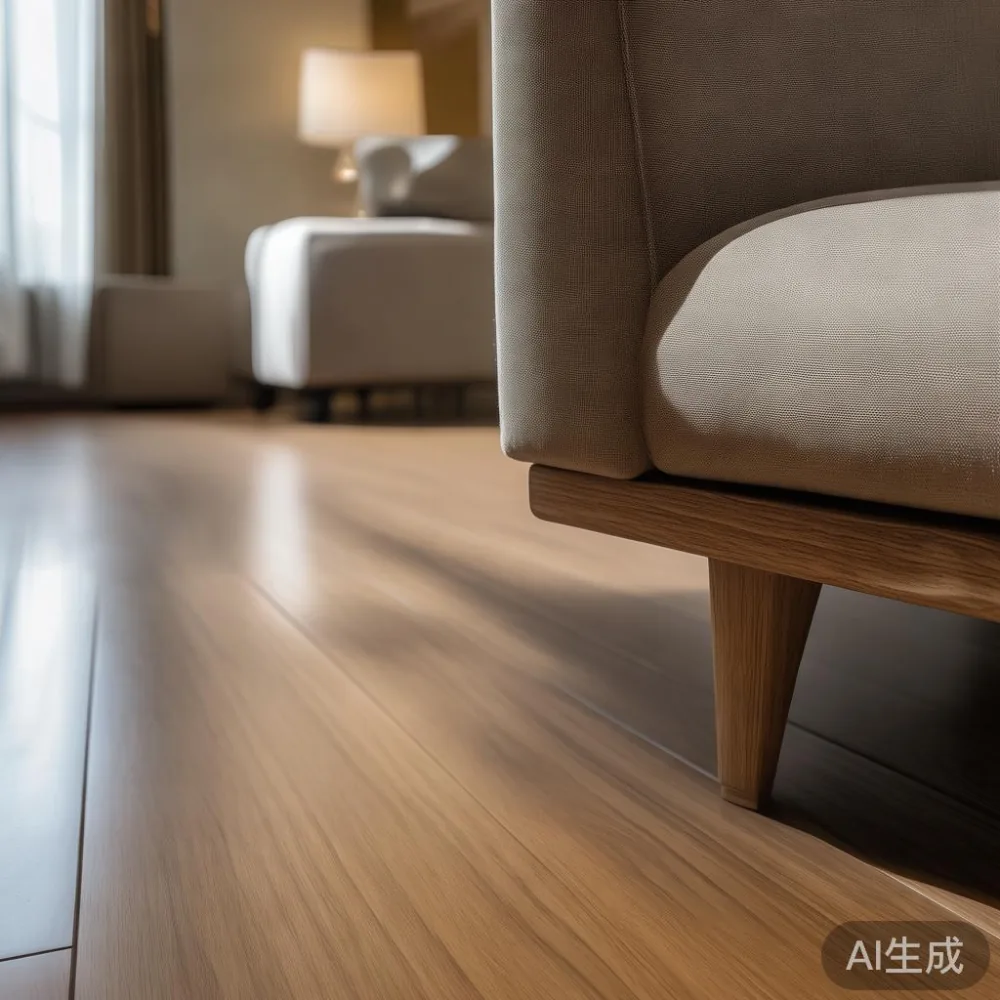
Why lacquer goes cloudy in a tropical climate
Lacquer is a film finish. It is glossy because the resin sits on top of the wood, not inside it, which is the opposite of how a hard wax oil works. In a climate where the relative humidity moves 35 percentage points in a single day, that film expands and contracts faster than the ash, oak, or beech underneath it. The result is the dull patch you see on the armrest where a forearm sits every evening, or the faint white ring under a cold mug on the dining table. Light does the same thing more slowly. UV breaks the resin chains in a clear coat, which is why a west-facing window in a Punggol Waterway terrace can bleach a side panel in eighteen months if the curtains stay open.
The condensation trick is subtler. You set an iced drink on a marble table or a lacquered nightstand, and the cold glass drops the surface temperature by 8-10°C in under a minute. Warm, humid room air rolls across that cold spot, water condenses, and the lacquer absorbs moisture faster than it would at room temperature. The white cloud you see next morning is moisture trapped inside the top coat, and the only cure is patient evaporation, never heat. A hairdryer will bake the mark in.
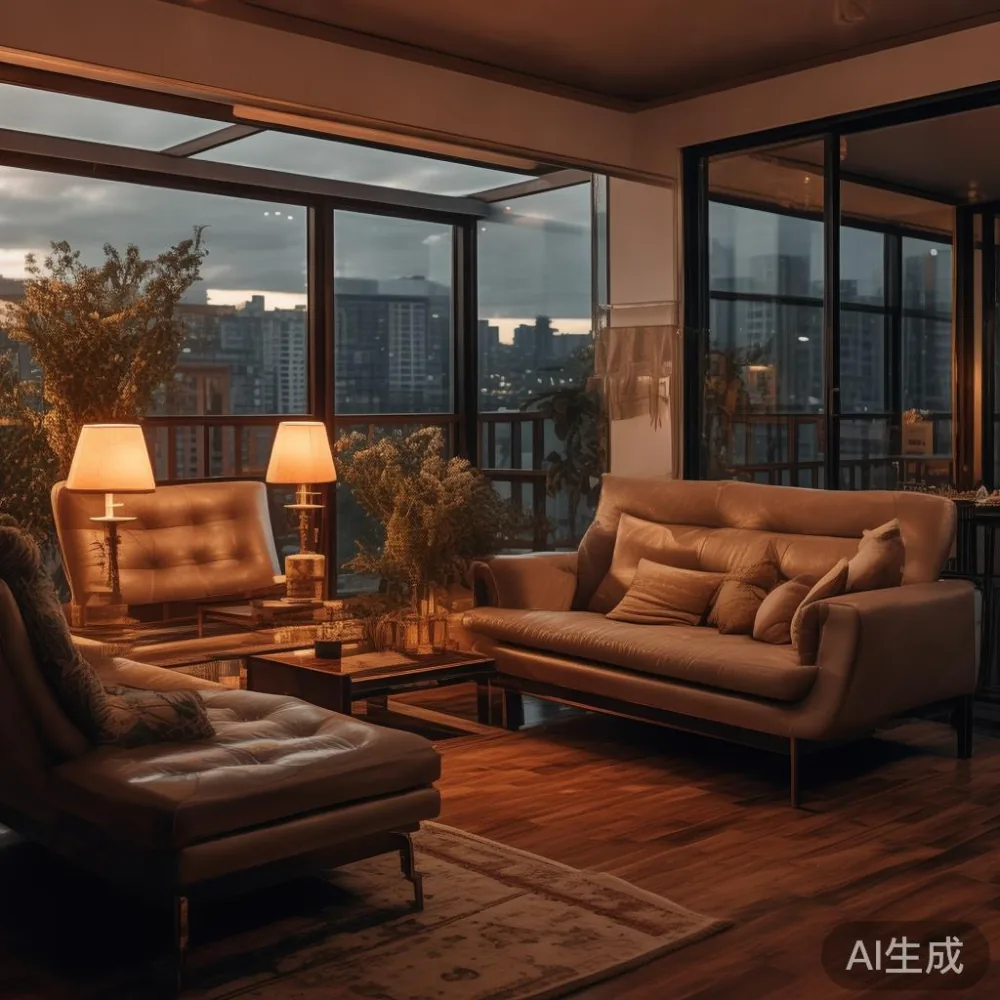
Daily and weekly habits that actually protect the finish
Think of caring for lacquer the way you think of brushing your teeth: short, gentle, often. Dust with a dry microfibre cloth every two to three days. Microweave holds the dust in its fibres, so it lifts the particles off instead of dragging them across the surface. A cotton tee-shirt works in a pinch, but it leaves micro-scratches on a piano-gloss black lacquer over a year of use. Once a week, dampen that same microfibre cloth with room-temperature water, wring it until it feels almost dry, and wipe with the grain. Dry the surface with a second cloth immediately. This single five-minute routine is the one I walked the Tampines couple through, and it remains the foundation of every furniture guide our brand writes.
Avoid silicone sprays, lemon oils, and furniture polishes sold for antique mahogany. They leave a residue that yellows under UV and makes future refinishing harder. If you want a monthly boost, a capful of pH-neutral wood soap in 500 ml of water is enough. Wipe, dry, walk away. The same routine applies whether you own a Scandinavian ash wood minimalist furniture piece or a heavier American light luxury dining set, because the chemistry of the lacquer is identical.
Air-con, humidifiers, and the thermostat trick
Most Singapore flats run at 24-25°C with the fan on. That is healthy for you and reasonably friendly to wood, but the issue is the 6 am switch-off, when the doors open and the relative humidity inside jumps from 45% to 70% in fifteen minutes. A lacquered wardrobe door absorbs that swing overnight for ten years, then one morning the corner near the hinge starts to crack. Two habits slow this down. First, leave the bedroom door closed for the first thirty minutes after the air-con cuts off so the wardrobe sees a gentler ramp. Second, keep a small digital thermo-hygrometer, which costs under S$18 at any neighbourhood mall, on top of the wardrobe or beside the nightstand. Anything you can measure, you can manage.
A humidifier is mostly unnecessary in Singapore unless you run the air-con 24/7 at 22°C, which we do not recommend for either skin or electricity bills. If you do run one, set it to 50% and clean the tank weekly. Bacterial mist and lacquer do not mix, and the replacement cost of a full lacquer refinish on a 210 cm solid wood sofa starts at around S$280, so a S$40 humidifier that prevents damage pays for itself within a month. This same logic is what we apply in our post-modern light luxury sofa ranges: control the room, and the finish takes care of itself.
Stain removal: rings, scratches, and the 30-minute rule
Most finish disasters start small. A water ring, a marker swipe from a child, a hot plate placed without a trivet. The 30-minute rule is simple: the longer a stain sits on lacquer, the deeper it migrates. Fresh water rings on a dining table or a marble table often lift on their own if you blot the moisture, point a desk lamp at the spot for warmth, and wait twelve hours. Patience beats chemistry nine times out of ten.
For ink, gently rub with a cloth barely dampened with isopropyl alcohol, then immediately wipe dry. For surface scratches on a satin lacquer, a matching wax stick from a hardware shop at S$12-18 fills the line in seconds. For deeper damage, professional buffing runs S$80-150 per panel, which compares favourably to the cost of replacing a whole bed frame. We offer a lifetime refinishing service on every MIDHILL piece, because we know Singapore humidity is a slow, not sudden, attacker.
How often should I refinish or polish the surface?
A clear lacquer finish on a high-use piece like a solid wood sofa armrest or a dining table top typically needs professional attention every 5-7 years in Singapore conditions, while low-touch surfaces like a wardrobe door or a wall-mounted nightstand face can wait 8-12 years. Wax polishes between refinishes are optional and only worth it on matte finishes. On gloss, they create the cloudy patch you are trying to fix.
A clear schedule beats a panicked call every time, which is the quiet reason a written care card sits in every MIDHILL delivery: same brand, same workshop since 2008, same expectations on both sides of the deal.
Delivery, warranty, and the boring details that matter in the lift
Lift access shapes your furniture choice as much as taste does. Standard Singapore lifts handle pieces up to about 240 cm long if tilted, longer sofas need to come in modular sections, which is why many of our solid wood sofa ranges split into two halves under 130 cm each. Check the lift depth at the lobby, not just inside the cabin, because the door frame sometimes sits proud of the wall and steals 2-3 cm you did not budget for. Our delivery team measures first when access is unclear, and shipping above S$350 stays free across the island.
All MIDHILL frames carry a 10-year structural warranty, and we offer lifetime refinishing support, so even a Tampines balcony set that weathers a decade of afternoon thunderstorms can come back close to new. Returns stay open for 14 days if the piece is unused, which gives you time to check the finish in your own light, your own humidity, your own lift. That closing detail is the heart of any honest sofa guide suited to Singapore: the piece should arrive measured, conditioned, and ready to last the next ten years of monsoons, GST adjustments, and family hand-me-downs.