Styling a Small Singapore Apartment Without Making It Feel Crowded: A Practical Sofa Guide
Most Singapore renters and owners I speak with in Tampines, Bedok, and Punggol face the same puzzle: the floor plan says 65 sqm, but the sofa, dining table, bed frame, and wardrobe all seem to be competing for the same 65 sqm of air. Last month I visited a colleague's 4-room HDB in Punggol after she had just taken delivery of a 2.4-metre solid wood sofa, and the difference between "before" and "after" was not the sofa at all. It was everything around the sofa. This sofa guide is the write-up of what we learned that afternoon, measured in centimetres, kilograms, and Singapore dollars, including the GST adjustment you actually see on the invoice.
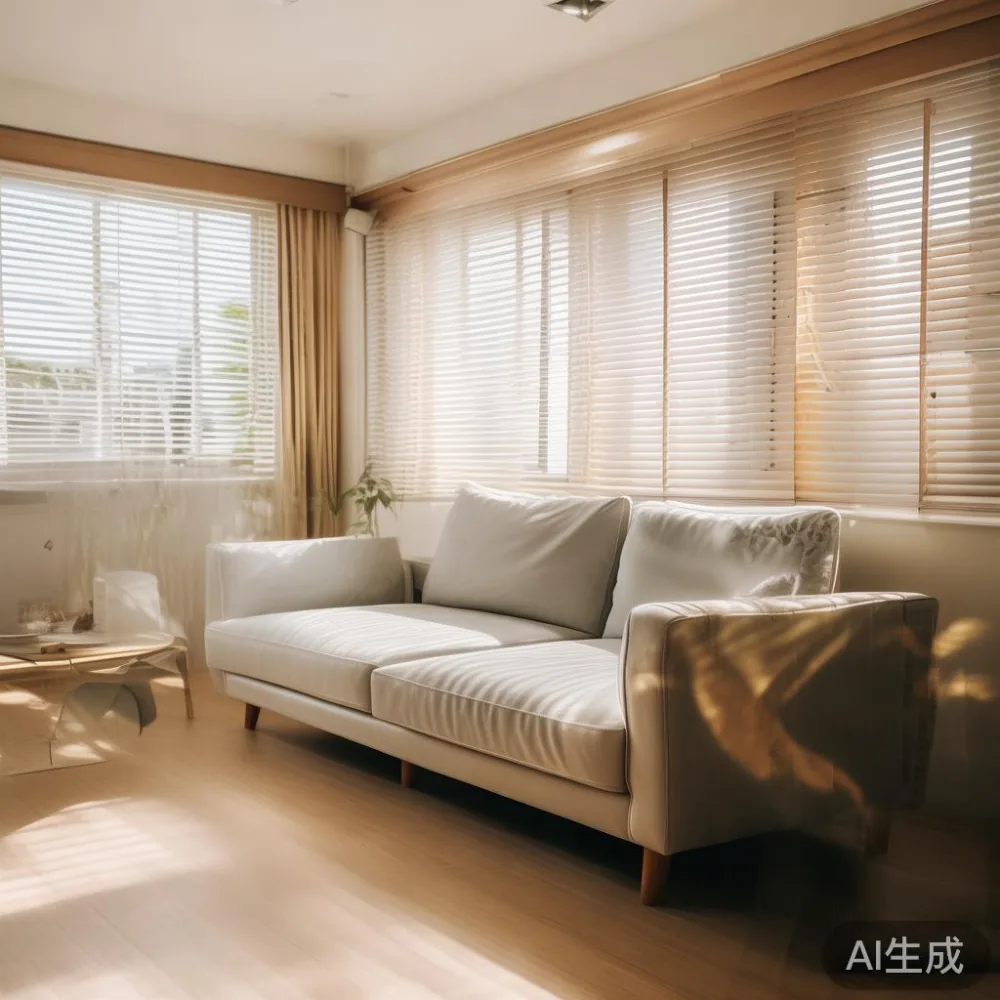
Start with the wall, not the sofa: measuring Singapore rooms in cm
Singapore HDB living rooms typically run between 2.8 m and 3.4 m on the short wall, and 4.2 m to 5.0 m on the long wall once you exclude the lift-access corridor clearance inside your unit. Corridors into the flat are usually 1.2 m wide; the lift door opening itself is around 0.9 m wide and 2.1 m tall, which matters because it governs the largest box a delivery crew can bring up without dismantling. Before you buy anything, measure three numbers: the lift door width, the corridor turning radius, and the living-room short wall. Write them on a piece of masking tape and stick it to the sofa spot.
A practical sofa guide rule I now use: the longest piece of furniture in the room should be no more than 75 percent of the short wall. So a 3.0 m wall supports a sofa up to about 2.25 m long. That single number kills 80 percent of the "why does my room feel tight?" complaints I hear in showroom consultations. My colleague's old 2.8 m sofa against a 3.0 m wall left only 10 cm breathing room on each side, and visually the wall felt half its real size.
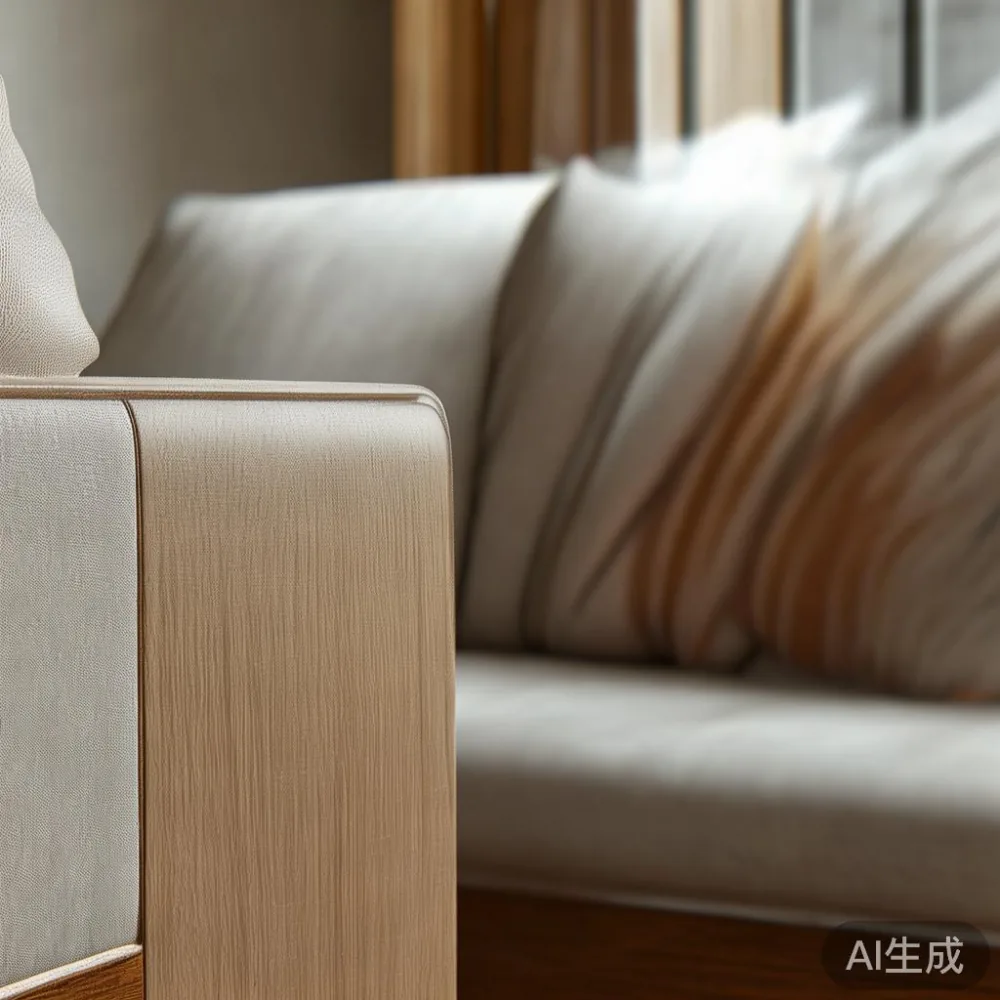
How do I choose a sofa that actually fits an HDB without dwarfing the room?
Look for a solid wood sofa frame with a total depth under 95 cm, a seat height of 42 to 45 cm, and armrests no thicker than 18 cm. A 2.2 m three-seater with those dimensions leaves roughly 40 cm of clearance on each end of a 2.8 m wall, which is enough to drop a slim 35 cm-wide nightstand or a 40 cm side table as an end piece without crowding the walkway. Lift-access deliveries in Singapore typically handle cartons up to 2.3 m long and 0.95 m wide, so a 2.2 m frame clears the lift door and the corridor without disassembly.
Frame weight matters more than people expect. A kiln-dried solid wood sofa frame in oak or ash usually lands between 55 kg and 70 kg for a three-seater. Hollow-board frames can sit at 30 to 40 kg, which sounds easier to move, but they flex after 18 to 24 months of Singapore humidity, and the seat deck starts to sag by 2 to 3 cm. That sag is what makes a small room feel cluttered even when nothing has been added to it. When you spec a sofa for a compact HDB, ask for the frame weight and the species, not just the upholstery.

What is the difference between Post-modern nightstand and modern furniture?
Post-modern nightstand designs play with proportion, mixed materials, and curved or asymmetrical silhouettes; they feel decorative and warm, often pairing a wood body with brushed brass pulls or a marble-top accent, while "modern furniture" refers more strictly to the clean-lined mid-century-to-contemporary vocabulary of straight edges, low profiles, and minimal hardware. The distinction matters in a small HDB because post-modern pieces add personality without adding bulk, whereas some strictly modern designs read visually cold in a 65 sqm flat. Foshan makers in the post-modern light luxury tier, for example, build 45 cm nightstands with a single soft-close drawer and a warm Japandi rattan wood finish that visually lightens a narrow bedroom wall.
Concretely, a post-modern nightstand will usually measure 45 to 55 cm tall, 40 to 50 cm wide, and 35 to 45 cm deep. A strictly modern nightstand at the same price often runs 50 to 60 cm tall and 45 to 55 cm wide, which means it pushes further into the walkway of a 2.6 m-wide HDB bedroom. Same function, different footprint, different feel. Pick the silhouette that matches your room, not your Pinterest board.
Pair the sofa with a dining table that disappears when not in use
For a 4-room HDB, the dining area usually sits behind the sofa or against the kitchen pass-through, leaving a footprint of about 1.4 m by 0.9 m. A round dining table with a 90 cm diameter seats four comfortably with 60 cm of edge clearance on each chair, which is the minimum a person needs to push back without bumping the wall. Round beats rectangular in small rooms because there are no corners to clip a hip on while walking past with grocery bags.
Extending tables sound tempting but check the mechanism. A butterfly leaf adds 35 to 50 cm but typically lifts the central support, which means the table weighs 38 to 48 kg in fully-extended mode and can rack over time. For daily use, a fixed 90 cm round marble table on a powder-coated steel base, weighing 28 to 34 kg, is friendlier to a 75 kg to 85 kg floor loading limit per square metre in older HDB slabs. Weight spread matters more than people realise when you load a small space with a dining table plus six chairs for a weekend gathering.
Bedrooms: how a wardrobe and bed frame decide whether you sleep crowded
Standard HDB master bedrooms run 3.2 m by 3.0 m or smaller in 3-room flats. A queen bed frame at 1.6 m by 2.0 m plus a 60 cm-wide nightstand on each side and a 1.8 m-wide wardrobe against the opposite wall leaves roughly 55 cm of walking space down the middle. That is tight, but it is functional. Push the bed frame to a 1.4 m by 1.9 m (a super-single plus depth) and the same room suddenly reads as a 12 sqm bedroom instead of a 9 sqm one.
On wardrobes, depth is the number to watch. A 60 cm wardrobe holds hangers at a standard 55 cm shoulder width; a 55 cm depth still fits hangers angled at 30 degrees, and you recover 5 cm of walkway without giving up hanging storage. Sliding doors save another 50 cm of swing clearance, so a 1.8 m sliding-door wardrobe in a 1.9 m corridor wall actually fits where a hinged-door version would block the air-con conduit. Lift your wardrobe off the floor by 4 to 6 cm with concealed plinth legs and the room visually gains another 5 percent of perceived space.
Light luxury positioning: why French, American, and post-modern styles behave differently in compact rooms
French light luxury leans on carved trims, tapered legs, and a touch of gilding. In a 65 sqm flat it reads as formal unless you restrict it to one statement piece, such as a marble-top console in the entryway or a single accent chair. American light luxury is broader and more relaxed: think 2.0 m to 2.4 m sectionals in performance linen, deep seats around 60 cm, and lower backs around 80 cm. It suits HDB living rooms because the low back keeps the sightline open to the window, and the deep seat doubles as a nap spot for guests.
Post-modern light luxury sits between the two, mixing warm wood tones with curved silhouettes and lighter metal accents. It is the style I usually recommend for Punggol and Bedok young couples because it tolerates mixed dining table and nightstand sets without looking chaotic. A coordinated set in post-modern light luxury can mix a 1.8 m six-seater dining table, a bed frame with a curved headboard, and two 45 cm nightstands without the room feeling like a furniture showroom. The shared design language does the visual tidying for you.
Colour, texture, and the 60-30-10 rule for small Singapore rooms
Use 60 percent dominant colour on the largest surfaces (walls, sofa, bed frame headboard), 30 percent on the secondary furniture (dining table base, wardrobe body, nightstands), and 10 percent on accent pieces such as cushions, a marble tray, or a single rattan stool. In a flat with morning sun through the kitchen window, white walls at 60 percent reflect roughly 70 to 80 percent of the available light, which makes a 65 sqm room feel closer to 75 sqm during the day. Greys at 30 percent ground the furniture without darkening the room; warm beige at 10 percent ties the wood tones together.
Texture does more work than colour in compact rooms. A plain-weave linen sofa at 280 to 350 GSM, a quarter-sawn solid oak dining table, and a hand-woven rattan headboard panel each carry their own micro-shadow, so the eye reads depth even when the palette is restrained. Glossy lacquered wardrobes, by contrast, throw a single hard reflection that flattens the room and shows every fingerprint for the first three months.
What about storage, shipping, and the boring logistics that decide real comfort?
Storage in a small flat is almost always about the 20 to 30 cm gap above wardrobes and the 35 cm of dead space above refrigerator cabinets. Add a 25 cm tall top-loader box with a gas-strut lid across the top of a wardrobe and you recover roughly 0.45 cubic metres per linear metre. That is where the thick winter duvets and Hari Raya cookie tins should live, not in the living room.
On shipping, most Foshan-to-Singapore consolidated container rates in 2026 sit between SGD 280 and SGD 420 per cubic metre for LCL, and full-sofa LCL deliveries from a single supplier typically run SGD 120 to SGD 220 for a 2.2 m three-seater, plus a Singapore-side lift-up fee of SGD 35 to SGD 80 per floor above the second. A 9 percent GST applies to the landed value, so a sofa landed at SGD 1,800 will show about SGD 1,962 on the final invoice. Free shipping over US$350 from established Foshan exporters such as MIDHILL usually absorbs the LCL sea freight but not the GST or the in-Singapore lift-up surcharge, so budget an extra 10 to 14 percent on top of the listed price. Deliveries from Foshan to a Singapore door typically take 18 to 28 days door-to-door including consolidation, customs clearance at Tuas, and last-mile trucking.
How long should a sofa, bed frame, or wardrobe realistically last in Singapore humidity?
A kiln-dried solid wood frame sofa from a careful Foshan maker should give 10 to 15 years of structural life if the relative humidity inside the flat stays between 45 and 65 percent. Running a 12-litre desiccant in the living room during the December to February monsoon phase drops the RH by roughly 8 to 12 percent and protects both the sofa joints and the dining table top. Bed frames in solid oak or ash last 12 to 18 years; wardrobes with plywood backs and solid wood fronts are the weak link, often showing 1 to 2 mm of panel bowing by year five if the flat is consistently above 70 percent RH.
Upholstery is the part that ages fastest. A 30,000-rub-count performance fabric keeps its weave through 5 to 7 years of daily use; a 15,000-rub-count fabric starts to pill visibly by month 18. That is why any meaningful furniture warranty, including the 10-year structural coverage on items from MIDHILL, distinguishes frame, spring, and foam from fabric. Refinishing the dining table or the bed frame headboard every 8 to 10 years keeps the wood oil-fed and prevents the grey oxidisation that makes a small flat feel dated.
Putting it all together: a 4-room HDB layout I have actually seen work
Living room (3.0 m by 4.2 m): a 2.2 m solid wood sofa in light oak linen, a 90 cm round marble table, two slim 40 cm side tables, and a single 1.5 m low media console with 45 cm depth and 35 cm clearance underneath for visual lift. Dining corner shares the round table. Master bedroom (3.0 m by 3.2 m): a 1.6 m by 2.0 m queen bed frame with a curved rattan headboard, two 45 cm post-modern nightstands, and a 1.8 m sliding-door wardrobe at 55 cm depth. Common bedroom (2.6 m by 2.8 m): a 1.2 m by 1.9 m single bed frame, a 40 cm nightstand, and a 1.2 m two-door wardrobe.
Total furniture footprint: roughly 14 sqm of the 65 sqm floor, which leaves 51 sqm of open space and walkway. Walking clearances measured on tape: 70 cm around the dining table, 55 cm around the bed frame, 90 cm down the living room axis. Those three numbers are the difference between a flat that feels packed and one that feels breathable. Treat them as non-negotiable in your own plan, and the room will hold up whether you are hosting a cny visit from the parents or a quiet Tuesday-night dinner for two.
FAQ
Is a solid wood sofa really necessary in Singapore? Plywood and MDF frames can cope with HDB humidity for a few years, but a kiln-dried solid wood frame outlasts them by 5 to 10 years and tends to feel more stable under daily use.
How big should a dining table be for four people in a small flat? A round 90 cm diameter, or a rectangular 120 cm by 70 cm, with chairs no wider than 45 cm each.
What is the smallest wardrobe depth that still works? 55 cm if you hang clothes at an angle, 60 cm if you want them to hang straight and crease-free.
How long does delivery from Foshan to Singapore actually take? Allow 18 to 28 days door-to-door for LCL sea freight, plus 2 to 5 days for customs clearance and final-mile scheduling.
Can I return a sofa if it crowds the room? Most Foshan exporters, including MIDHILL's 14-day return policy, allow returns for non-custom pieces in original packaging, but custom upholstery usually cannot be returned once the fabric is cut.