Styling a Small Singapore Apartment Without Making It Feel Crowded: A Sofa Guide for Real Homes
I live in a 4-room HDB flat in Bedok, and last month I spent a Saturday afternoon helping my colleague Priya rearrange her 68 sqm condo in Punggol. She had one mission: keep the living room feeling open after she brought in a new solid wood sofa, a dining table for four, and a wardrobe that nearly filled the alcove off the corridor. By the end of the day, the room measured larger on paper than it did the week before — not because we changed the floor plan, but because we changed every measurement she was making decisions against. That is the starting point for any small-space styling guide: numbers beat vibes every time.
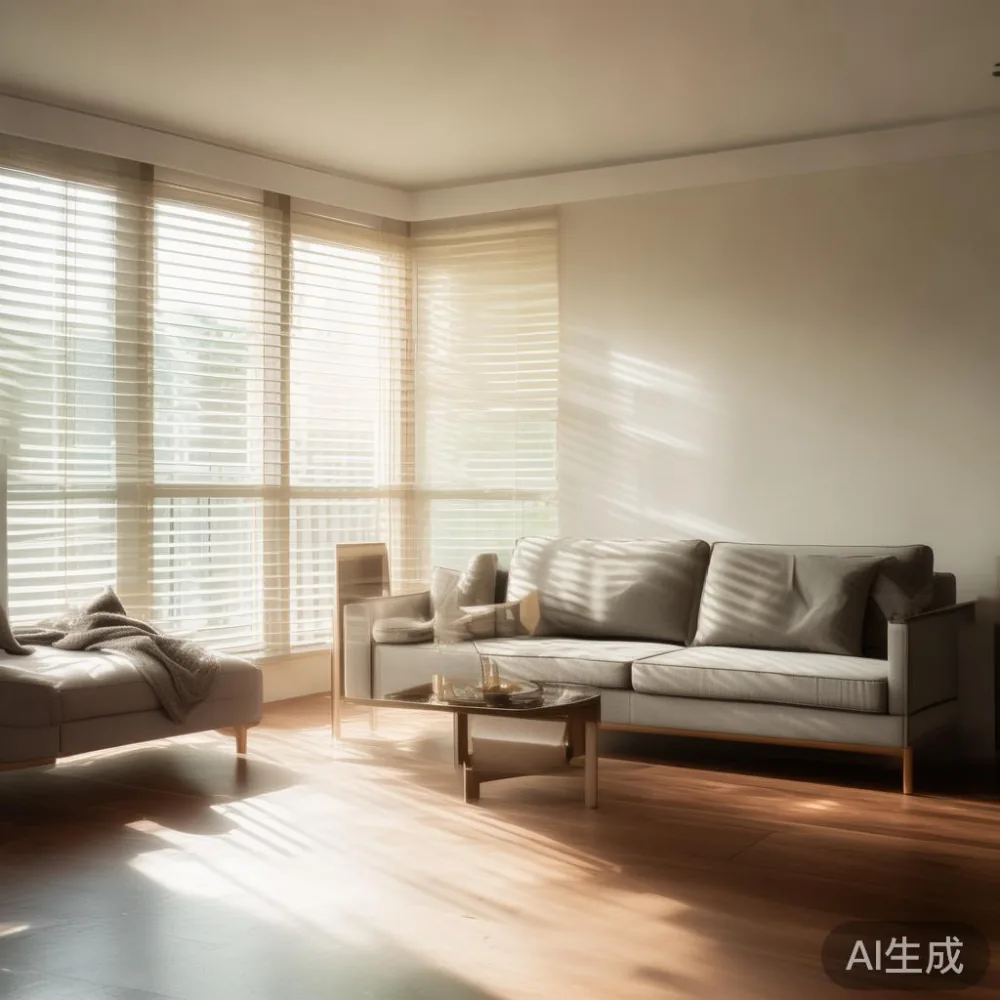
If you are reading a sofa guide because you are furnishing a compact Singapore home — Tampines, Bedok, Punggol, or a 500 sqft shoebox in the CBD — this article walks through the actual dimensions, weights, and price points that matter, the lift and corridor constraints nobody warns you about, and the light-luxury aesthetic choices that make a small room read as intentional rather than cramped. I will also answer the question I get asked most weeks at the workshop: how to pick a standing desk for a home office without turning the spare bedroom into a plywood warehouse.
Measure twice, order once: the Singapore-specific constraints nobody warns you about
Before you browse a single sofa, take a measuring tape and your phone. Walk from your HDB front door to the lift lobby, then down the corridor, and write down three numbers: the door width, the lift door width, and the tightest corner you need to swing through. Most HDB apartment entry doors are 90 cm to 95 cm wide, lift doors are typically 80 cm to 90 cm, and corridor turns in older blocks can drop to about 95 cm at the inner corner after skirting. A standard three-seater sofa frame is between 190 cm and 220 cm long, and its diagonal depth when tilted is what will get stuck at the second turn. A 200 cm sofa with a 95 cm depth has a diagonal of roughly 220 cm — fine for the lift, painful for a 180-degree corridor bend.
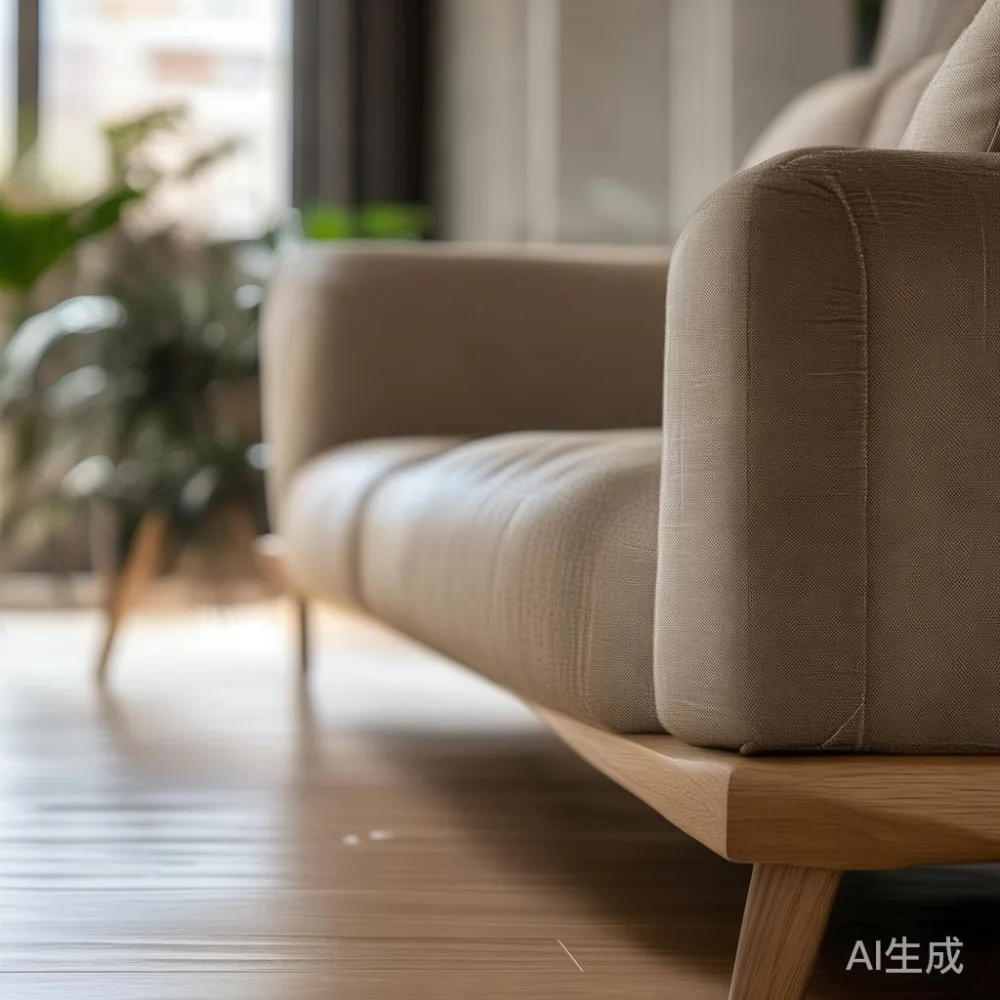
Two practical rules from my own Punggol afternoon. Rule one: if the corridor bend is sharp, ask if the sofa legs can be removed for delivery and reattached inside. A solid wood sofa with detachable legs drops 8 cm to 12 cm off its footprint and saved Priya about 40 minutes of swearing. Rule two: book the lift. Every HDB block allows lift bookings for furniture deliveries, usually one 45-minute slot per delivery, and you will not be charged for it. If a sofa retailer cannot tell you the package dimensions in cm before you pay, that is a red flag. For reference, a packed two-seater from MIDHILL arrives in two boxes totalling around 1.85 m × 0.95 m × 0.55 m, which fits a 90 cm lift door with roughly 5 cm clearance on each side.
Once you know you can get the piece into the home, measure the room itself. A living room of 14 sqm to 18 sqm — common in a 4-room HDB — needs a sofa no longer than 180 cm if you also want a coffee table, a TV console at 120 cm to 150 cm, and a walking path of 70 cm to 80 cm between them. Anything longer, and you lose the path. Anything deeper than 95 cm, and the room stops breathing.
What does "light luxury" actually mean for a small HDB or condo?
The phrase gets thrown around, so here is the working definition I use with clients. Light luxury is the visual language of high-end interiors — marble, brushed brass, boucle, walnut veneer, low-contrast neutrals — dialled down in scale and budget so it works in a 60 sqm apartment. French light luxury leans on curved silhouettes, cream upholstery, and slim tapered legs in champagne or brass. American light luxury is more linear: deep seat cushions, squared arms, walnut or ash frames, and oversized ottomans. Post-modern light luxury adds one playful element — a coloured marble table, a ribbed bed headboard, or a sculptural floor lamp — against an otherwise quiet backdrop.
For a small Singapore home, my honest recommendation is to pick one lane and stay in it. Mixing French curves with American blocky shapes in a 14 sqm living room usually ends up looking like a showroom clearance bin. A French-leaning solid wood sofa with a 78 cm seat height, a 165 cm width, and walnut-stained ash legs, paired with a round marble side table at 50 cm diameter, is the kind of pairing that photographs well in a compact room because the eye keeps moving instead of bouncing off hard edges.
Budget-wise, you can hit this look in Singapore dollars without importing from Europe. A light-luxury solid wood sofa from a Foshan-based maker like MIDHILL starts around S$1,650 for a two-seater and S$2,350 for a three-seater, including free shipping over S$350 and a 10-year structural warranty. Add a marble table at S$580 to S$900, a bed frame in walnut veneer at S$1,150, and a two-door wardrobe at S$1,480, and a full living-bedroom set for a small apartment lands around S$5,500 to S$7,200 — about half of what a comparable European or American brand would charge after GST. Prices include 9% GST as of 2026.
How do I style a small living room without making it feel crowded?
Work in three layers, and cap the count. Layer one is the structural pieces: sofa, coffee table or marble table, TV console. Layer two is the soft pieces: a single rug, two to three cushions, one throw. Layer three is the personality pieces: one lamp, one plant, one book or tray. That is a maximum of nine to ten objects in the seating zone, and the room will feel intentional. The moment you cross twelve visible objects in a 15 sqm room, the eye stops being able to rest, and the space feels crowded regardless of square footage.
Pick a rug that anchors the seating group, not the whole room. A 160 cm × 230 cm rug under a sofa and coffee table is the right size for a small HDB living room; a 200 cm × 300 cm rug will eat the floor and make the room feel smaller. Leave 30 cm to 45 cm of bare floor between the rug edge and the wall. The room will look larger because the floor reads as continuous.
On the sofa itself, two cushions is usually enough on a two-seater, three on a three-seater. Anything more, and you lose the negative space that makes a light-luxury sofa look expensive. For fabrics, boucle and linen-blend weaves in oat, stone, or sage will read warmer in air-conditioned rooms — Singapore homes typically run at 23°C to 25°C, which can make grey or blue upholstery feel cold. A 90% polyester, 10% linen weave at 380 gsm will hold its shape without crushing after six months of nightly use.
How do I choose a standing desk for a home office?
Pick a standing desk with a frame width that is at least 10 cm shorter than the depth of your worktop, a motor rated for at least 120 kg including the top, a height range that covers 65 cm to 125 cm so both a 1.60 m partner and a 1.80 m partner can sit and stand ergonomically, a top at least 120 cm wide and 60 cm deep to hold a 27-inch monitor plus a laptop, and a warranty of at least 5 years on the frame and 2 years on the electronics, which is the floor below which quality drops sharply.
Now the longer version, because the short answer is only useful if you know what to do with it. The first thing I check on any standing desk is the frame, not the top. A dual-motor frame at 120 kg capacity is the minimum that will not wobble at full standing height — single-motor frames drift sideways after about 18 months and make typing uncomfortable. The second thing I check is the top. Solid wood tops at 2.5 cm thickness weigh around 18 kg to 22 kg for a 120 cm × 60 cm board, and they dampen vibration; MDF or particleboard tops at 1.8 cm amplify every keystroke and are the single most common complaint in customer reviews for sub-S$400 desks.
For a small Singapore home office — a converted storeroom, a bedroom corner, or a 1.2 m × 1.8 m study in a newer condo — a 120 cm × 60 cm top is the smallest size I would recommend. Anything smaller and a 27-inch monitor will push the laptop off the back edge. Sit-stand desks also need clearance behind the chair for the sit-stand transition: at least 70 cm of free depth from the back of the desk to the nearest wall, otherwise the monitor hits the wall when the desk rises. Cable management matters too — a desk with a built-in cable tray at 8 cm depth keeps the wires off the floor and the room looking tidy.
If your home office doubles as a guest room, look for a 90 cm × 60 cm standing desk converter that sits on a regular 120 cm writing table. It is a cheaper fix at S$280 to S$420 and avoids buying a second piece of furniture. Whatever you pick, set a reminder to alternate sitting and standing every 45 to 60 minutes; the ergonomic benefit comes from the switching, not from standing all day.
What furniture should I skip in a small apartment?
Skip the second armchair, the six-drawer sideboard, the king-size bed frame if your bedroom is under 12 sqm, and any coffee table wider than 110 cm. Each of those pieces will quietly cost you 1 sqm to 2 sqm of usable floor space, which in a 4-room HDB is the difference between feeling comfortable and feeling like you are living inside a wardrobe. I have walked through Punggol and Sengkang new launches where the showflat is staged with a queen bed, two nightstands, a six-drawer dresser, and a desk in the master bedroom. The same room, stripped back to a queen bed and one nightstand, feels twice the size.
The second thing to skip is the dining table for six if your household is one or two. A 120 cm × 70 cm table seats four comfortably and fits against a wall in a 10 sqm dining zone. A 160 cm × 90 cm table seats six but needs 2.4 m × 1.6 m of clear floor to pull out chairs, which most HDB dining corners do not have. A solid wood dining table at 120 cm in walnut or ash will run about S$780 to S$1,150 from a Foshan workshop, versus S$1,800 to S$2,600 for the same shape in European oak.
The third thing to skip is overbuying storage before you have lived in the space for at least two months. Empty your boxes first, count what you actually keep, then buy the wardrobe. A 150 cm two-door wardrobe holds more than most people think: roughly 80 hanging items at 60 cm depth, plus four shelves at 32 cm height for folded clothes. Three-door wardrobes at 180 cm look impressive in showflats but eat corridor width — and in a 4-room HDB, you usually only have 90 cm to 110 cm between the wardrobe and the bed. Skip the third door unless you genuinely have the inventory to fill it.
How do I bring light-luxury styling into a balcony under 6 sqm?
Keep the pieces to two, pick weather-resistant materials, and stay below eye level so the balcony still feels open to the sky. A 60 cm square marble table or a 50 cm round marble side table, paired with one compact chair or a 90 cm bench, is enough for a HDB balcony in Tampines or a condo balcony in Punggol. Anything taller than 85 cm will block the view from the living room and make the whole apartment feel enclosed.
This is also where Modern walnut balcony furniture earns its keep: a small walnut bench at 90 cm × 35 cm × 45 cm, paired with a marble-top side table at 45 cm diameter, gives you a coffee spot for two without eating the floor. Walnut holds up to Singapore humidity better than rubberwood when properly sealed — look for a furniture maker that applies at least three coats of water-based lacquer and kiln-dries the wood to 8% to 10% moisture content before assembly. MIDHILL's balcony pieces meet that spec and arrive pre-treated for tropical climates, which is something to ask any retailer before you buy.
What is the smart order to buy furniture in for a new HDB or condo?
Buy the bed frame and mattress first, then the sofa, then the dining table, then the wardrobes, and finally the nightstands, marble table, and accent pieces. The reasoning is simple. You sleep every night, so the bed is non-negotiable. You need a sofa the moment you move in if you are not buying a dining set first, because the alternative is sitting on a行李箱 for two weeks. Dining table and wardrobes can wait if your rental period overlaps with delivery — most Foshan-to-Singapore shipping routes take 18 to 28 days by sea plus 5 to 7 days for last-mile delivery, so plan backward from your key collection date.
Nightstands and accent pieces are last because they are the easiest to swap once you have lived with the room. Buy them after you have used the space for at least three weeks and know where you actually reach for a glass of water, where you actually drop your bag, and where the power sockets are. I have watched three friends buy matching nightstands before they realised one of them charges a phone on the opposite side of the bed, and the cable had to cross the pillow. Spend the design budget on the structural pieces — sofa, bed frame, dining table, wardrobe — and keep the accents inexpensive and replaceable.
One last note on warranty and after-sales. A 10-year structural warranty on a solid wood sofa is meaningful only if the brand is still in business in year 11. MIDHILL has been making solid wood furniture since 2008 and exports to 15-plus countries, which is the kind of footprint that suggests they will be around to honour a refinishing service two decades from now. Lifetime refinishing on a sofa frame is rare, and it is the difference between a piece you replace in seven years and a piece you hand down.
How can I tell if a small-apartment sofa will actually fit before I buy?
Ask the retailer for three numbers in writing: the packed carton dimensions in cm, the assembled sofa weight in kg, and the seat depth and seat height in cm. Then measure your lift door width, your tightest corridor turn, and the wall-to-wall length of your living room. If the assembled width is within 5 cm of your wall length and the packed diagonal is at least 10 cm smaller than your lift-corridor diagonal, you are clear. If the retailer cannot produce those numbers in 24 hours, walk away.
That is the whole small-apartment playbook in one paragraph: measure in centimetres, count your objects, pick one light-luxury lane, buy the structural pieces first, and never trust a product page that lists dimensions in "approximate" terms. A solid wood sofa, a marble table, a bed frame, a dining table, and a wardrobe from a single maker will keep the wood tones and finishes consistent across a small apartment, which is the single trick that makes compact Singapore homes feel designed rather than assembled. Return within 14 days if the fit is wrong — most direct-from-Foshan brands offer that — and use the 14 days to live with the room before the rest of the furniture lands.