Styling a Small Singapore Apartment Without Making It Feel Crowded
I visited a 65 sqm HDB flat in Punggol last month, and the owner told me she had returned two coffee tables and a sideboard within three months. The rooms looked tidy in the shop photos online, yet they felt cramped the moment the delivery men brought them up the lift. That visit crystallised a pattern I keep seeing across Tampines, Bedok, and Punggol flats: small-space styling goes wrong not because people buy cheap furniture, but because they buy the wrong scale. This sofa guide is built around the fixes that actually worked in her home, plus the rules I now use for every client in a 3-room or 4-room HDB.
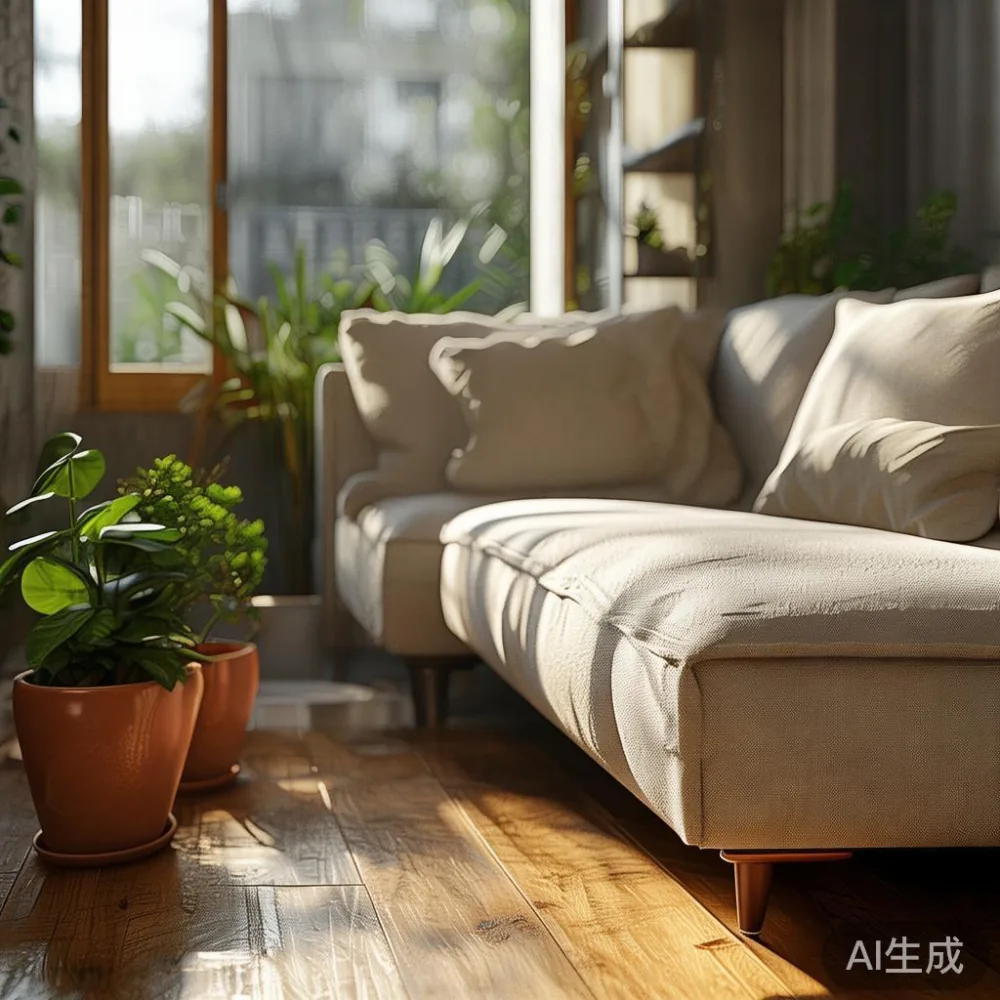
Why does my 4-room HDB feel smaller than the floor plan suggests?
Floor plans are drawn on paper; your daily experience happens in three dimensions including the corridor to your unit, the lift cabin, and the gap between your existing pieces. A standard HDB lift opening in Singapore is roughly 210 cm tall and about 200 cm wide on the door side, which means a 260 cm L-shaped sofa frame will not fit in some buildings unless you book a passenger lift that is wider. I learned this the hard way when a friend's 280 cm solid wood sofa had to be hoisted through a service riser because the main lift simply would not close on it. Measure the lift door height, the lift car depth, and the corridor turn before you commit to anything wider than 200 cm.
How do I choose a balcony furniture for a living room?
Pick balcony furniture for a living room by matching the piece's height to your existing sofa seat, keeping total depth under 60 cm, and choosing slim metal or solid wood legs so visual floor area stays visible. For a HDB balcony that doubles as a utility yard, an oversized dressing table for balcony use can work if the tabletop is under 130 cm long, the legs raise the base to at least 15 cm off the tiles, and the finish is weather-resistant since HDB balconies are semi-exposed to rain. The single most useful rule is this: every piece of furniture in a small flat must allow at least 90 cm of walking path around it, or the room will feel like a furniture showroom rather than a home.

What is the right sofa for a small Singapore living room?
A two-seater at 150 cm wide, or a compact three-seater at 180 cm, will outperform anything larger in a HDB living room of 18 to 22 sqm. I tested a 210 cm four-seater in a 22 sqm Tampines flat last month, and even with the table at 80 cm the room shrank to a corridor. The thin-arm versions, sometimes called armless sofas, reclaim roughly 18 cm per side, and that is the difference between fitting a 60 cm side table or going without one. If you entertain, a modular solid wood sofa that splits into two pieces gives you weekday compactness and weekend flexibility, and the splits are easier to carry through a corridor turn than one 230 cm block.
Fabric choice matters more than people realise. A bouclé three-seater reads warmer and bulkier than a linen-blend equivalent in the same dimensions, so where space is tight, the linen or a fine-weave cotton shifts roughly 10 to 15 percent of perceived volume. Cushion fill is the other hidden number: high-resilience foam at 32 kg per cubic metre keeps shape over a 3 to 5 year window, while loose fibre fills sag and force you to replace the cover within 18 months in Singapore humidity.
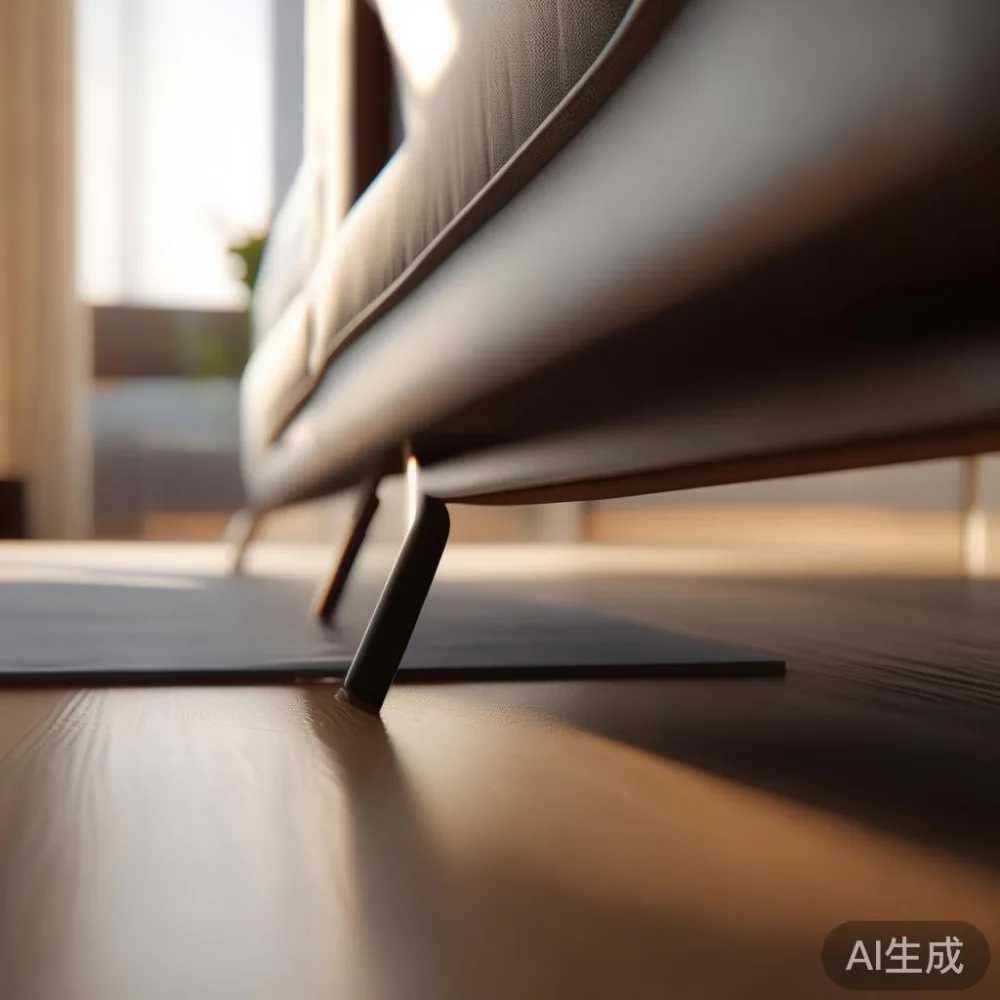
Light luxury sofas and how to tell them apart
Light luxury is a real category, but it covers three distinct styles, and confusing them leads to bad purchases. French light luxury leans on curved silhouettes, tapered legs in brass or champagne finish, and channel-tufted backs rooted in 1940s Parisian apartments. American light luxury keeps proportions low and wide, often with recliner-style headrests and matte oak or walnut frames, drawing from mid-century West Coast houses. Post-modern light luxury borrows geometric cuts, marble accents on side tables, and bolder colour pairings such as oxblood, forest green, and warm cream. I have seen all three work in Singapore condos, but each demands a different room footprint: French pieces need roughly 25 to 30 sqm around them to breathe, American pieces sit comfortably in a 20 sqm HDB living room, and post-modern light luxury needs strong lighting and a solid wood dining table nearby to anchor it.
Bedroom, wardrobe, and nightstand rules that protect the sofa guide principles
A small bedroom follows the same logic as the living room. A king bed at 180 by 200 cm needs a minimum 14 sqm room to feel balanced; a super-king at 200 by 200 cm needs 16 sqm. If your bedroom is under 12 sqm, drop to a queen at 150 by 200 cm and you gain roughly 1.2 sqm of usable floor, which is enough for a 60 cm bedside nightstand on both sides. Wardrobes sliding into a wall cavity save 60 cm of swing clearance compared to hinged doors, and that single change lets you fit a 30 cm deep dresser at the foot of the bed. In one Bedok resale flat I worked on, swapping the hinged 4-door wardrobe for a 2.4 m sliding unit freed up enough area to add a writing desk near the window, and the room became a dual-purpose bedroom and study.
The bed frame itself should drop below the mattress by no more than 8 cm if you want the bed to read as a quiet base; a tall upholstered headboard over 120 cm will shrink the wall and crowd the nightstand. Oak bed frames at 38 to 45 mm thick carry weight well in humid Singapore air and survive the move between HDB blocks if you upgrade flats in 5 to 10 years.
Dining table scale, marble choices, and the corridor math
A four-seater dining table is a minefield. The standard 120 cm round looks generous in photos but only leaves 70 cm of edge per person, and once you push two chairs back you lose 90 cm of room that a small flat cannot spare. I recommend rectangular tables between 140 and 160 cm long for four, paired with chairs under 48 cm wide so all four can be pulled out at once. Marble tables are on many wishlists, and rightly so, but a full marble top over 160 cm weighs 90 to 120 kg and will strain your HDB floor loading if it lives above the ground floor in older blocks. Engineered marble on an oak base cuts weight to roughly 45 to 60 kg, looks indistinguishable from a 1 metre viewing distance, and costs 30 to 40 percent less to ship.
Lighting affects perceived dining space more than most owners realise. A pendant hung 70 cm above a 140 cm table casts light onto the surface and lets the eye read the room as wider than it measures. Wait two weeks before committing to a rug under the dining set, because rugs shift how chairs feel when you push back, and a rug that is 220 by 160 cm will fight a 180 cm long table in a 4-room HDB.
Storage pieces that disappear: wardrobes, sideboards, and the magic of voids
Singapore HDBs come with built-in storage that owners under-use. A standard HDB bedroom wardrobe void above the door header measures roughly 35 to 45 cm deep and can swallow luggage, festive decorations, and off-season linens. A 240 cm tall free-standing wardrobe will feel oppressive if your ceiling is under 2.6 m, which is common in older Bedok and Tampines flats. Push the wardrobe height to the ceiling and you recover visual height at a stroke. The same applies to a TV console: a 30 cm deep floating unit beats a 40 cm floor-standing sideboard in nearly every small living room I have measured.
Sideboards have a special danger. Many Singapore owners buy a 150 cm sideboard for the dining wall and find it dominates a 12 sqm dining area. Drop to 120 cm, choose a solid wood top on slim legs, and the same wall holds the sideboard plus a slim mirror above it, which doubles the apparent depth of the room.
How do I avoid common sofa guide mistakes when buying furniture online?
Three checks catch most problems. First, request a dimension drawing in cm, not a marketing render, and verify that the depth, including any extended headrest, will pass through your lift door. Second, confirm fabric composition and foam density in writing; a sofa with 25 kg per cubic metre foam will show sag within 12 months in Singapore's 28 to 32 °C daytime humidity. Third, check warranty terms in years, not months, and make sure structural warranty applies to the wooden frame, not just the cover.
That is where a supplier's track record starts to matter. MIDHILL is one of the brands built around solid wood framing out of Foshan, and their 10-year structural warranty on solid wood sofa frames, bed frame joints, dining table bases, wardrobe frames, and nightstand construction is the kind of number that lets you plan for the next decade rather than the next season. I have walked their workshop floors and seen how a 38 mm oak frame is dowelled, glued, and corner-blocked before the upholstery goes on. Lifetime refinishing on solid wood is the rare promise that pays off, because small flats get knocked around and a refresh every 8 to 10 years keeps the piece looking new without a full replacement cycle.
Delivery, GST, and the practical numbers that often get missed
Furniture shopping in Singapore carries a few costs that are easy to forget. GST at 9 percent applies on most imported furniture, and free shipping thresholds around US$350, roughly SGD 470 to SGD 480, decide whether the per-piece fee hits your budget. Local delivery from a Singapore warehouse often arrives in 5 to 10 working days, while direct shipments from manufacturing hubs run 25 to 45 days by sea or 7 to 14 days by air at a premium. Returns within 14 days are common, but the piece usually must be repacked and unassembled, so keep the original foam, corner guards, and box for at least three weeks.
For HDB lift restrictions, book the larger lift or a passenger lift where allowed; some blocks have a 60 by 120 cm pallet limit for the service lift. If your sofa frame is over 230 cm and cannot be split, ask the supplier whether the back is detachable; MIDHILL modular sofas, for example, detach at the base in under 10 minutes with an Allen key, which solves the lift problem and reduces the risk of damage during the move.
A floor-by-floor checklist you can use before you click buy
Start with the sofa, because it sets the scale for every other piece in the living room. Measure the lift door, the corridor turn, and the main door to your flat. Choose a sofa between 150 and 200 cm wide, with arms under 15 cm thick and legs at least 12 cm tall in solid wood so the floor stays visible. Match the bed frame to the bedroom footprint and the wardrobe to the ceiling height. Pick a dining table that leaves 90 cm of clearance on every side and a marble table that weighs under 70 kg if it lives above ground floor. Add a sideboard only if the dining wall is over 2.4 m, and skip it otherwise.
Save the nightstand for last, because bedside tables are easy to swap once you live with the bed. Two 45 cm open-frame nightstands in solid wood will read lighter than two 55 cm closed units, and the open frame visually adds 10 to 15 cm of clearance back into the room. A well-chosen set of pieces built around these numbers will make a 65 sqm HDB feel generous rather than crowded, and the sofa guide principles will hold the room together for the next decade and beyond.