Caring for a Lacquered Surface in a Tropical Climate
Singapore’s warm, humid weather can be demanding on furniture finishes. Lacquered surfaces on a solid wood sofa, bed frame, dining table, wardrobe, nightstand, or marble table may develop a cloudy haze, lift at an edge, or dull more quickly than untreated timber. Yet the finish can remain attractive for years with sensible habits, careful cleaning, and timely repairs. This sofa guide explains what to do in an HDB flat or condo, from Tampines and Bedok to Punggol, where corridor widths, lift dimensions, and limited storage make maintenance planning especially practical.
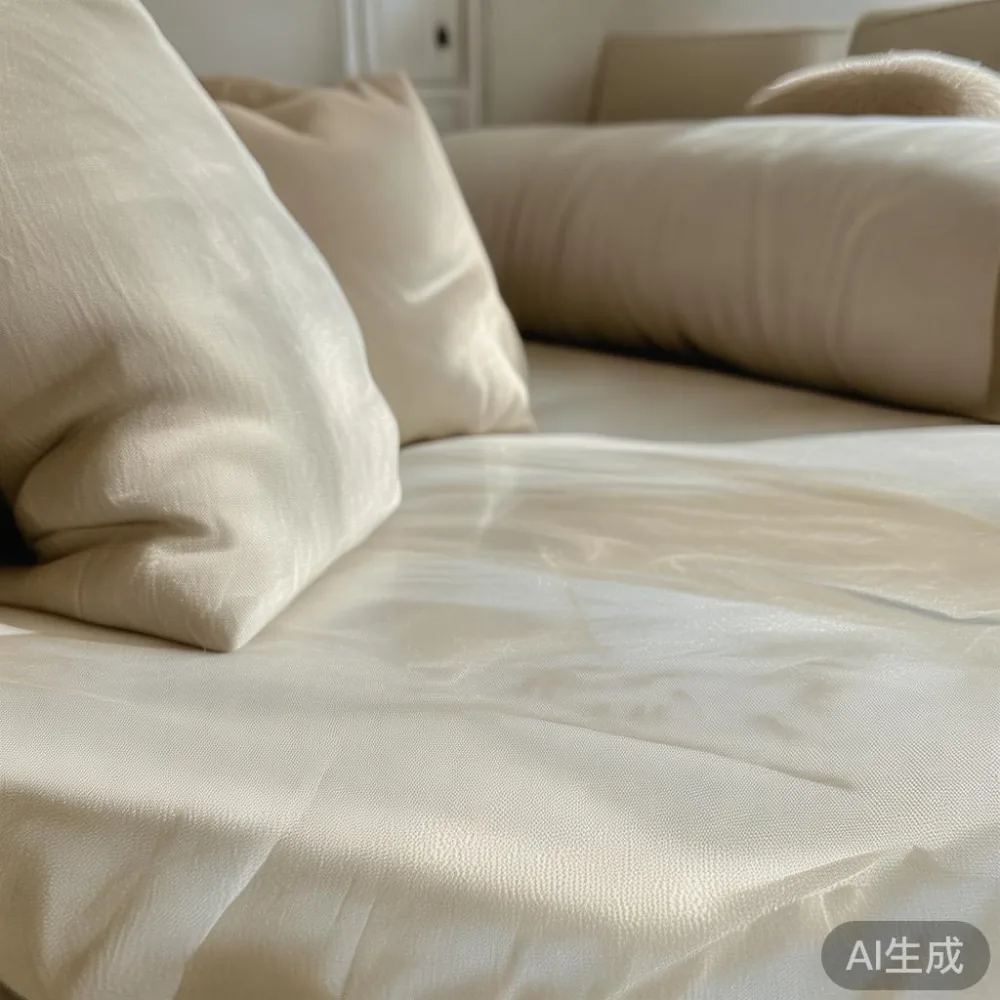
At MIDHILL, our approach to solid wood furniture combines durable construction with finishes suited to demanding interiors. The same care principles apply whether you own a French-inspired lounge piece, an American light-luxury sofa, or a post-modern light-luxury design. Because no lacquer behaves perfectly under every household routine, prevention and early intervention matter more than aggressive restoration.
Why does lacquer react to Singapore humidity?
Lacquer is a cured surface layer designed to protect wood and create a smooth visual finish. Under Singapore conditions—roughly 26–33°C through much of the year with frequent rain, high humidity, salt-laden air in some coastal areas, and constant air-conditioning—different finishes can respond in different ways. A solvent-based lacquer may remain flexible for longer, while some waterborne or hard finishes can become less tolerant of prolonged moisture exposure. The exact response also depends on the lacquer system, coat count, substrate preparation, and the quality of the joinery underneath.
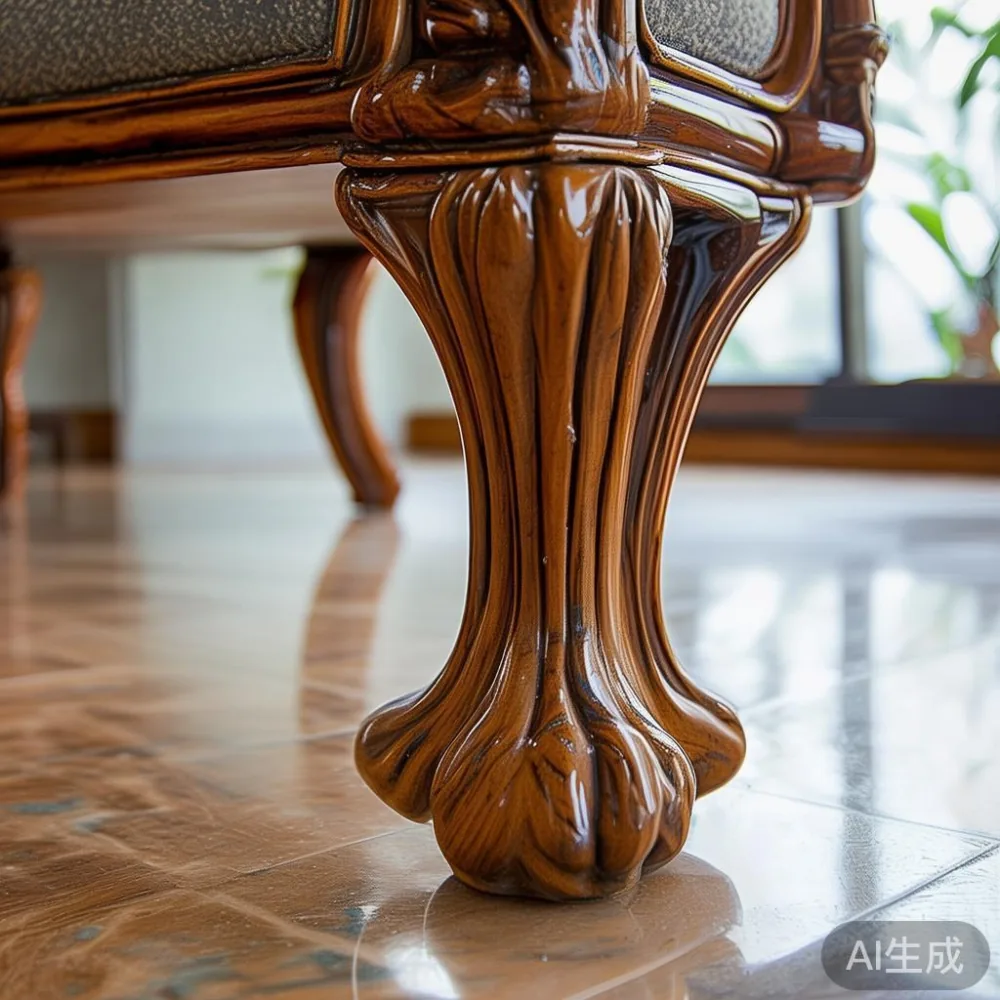
Seasonal movement is normal. Solid wood expands and contracts as relative humidity changes, and the lacquer should move with it. Small gaps of less than 0.5 mm may appear along a panel joint, while a larger opening of 2–3 mm deserves closer inspection. A slight colour difference where the finish has faded is another common sign of UV exposure rather than immediate structural failure.
Air-conditioning is useful, but aim for practical balance rather than extreme temperature changes. If a lacquered sofa sits beside a vent and the surface reaches 38°C, move it at least 30 cm away and reduce direct airflow. Conversely, avoid placing furniture against a cold condensation-prone exterior wall. Keep indoor relative humidity around 40–60% where possible, and use a hygrometer costing about SGD 12–35 to monitor a bedroom or living room.
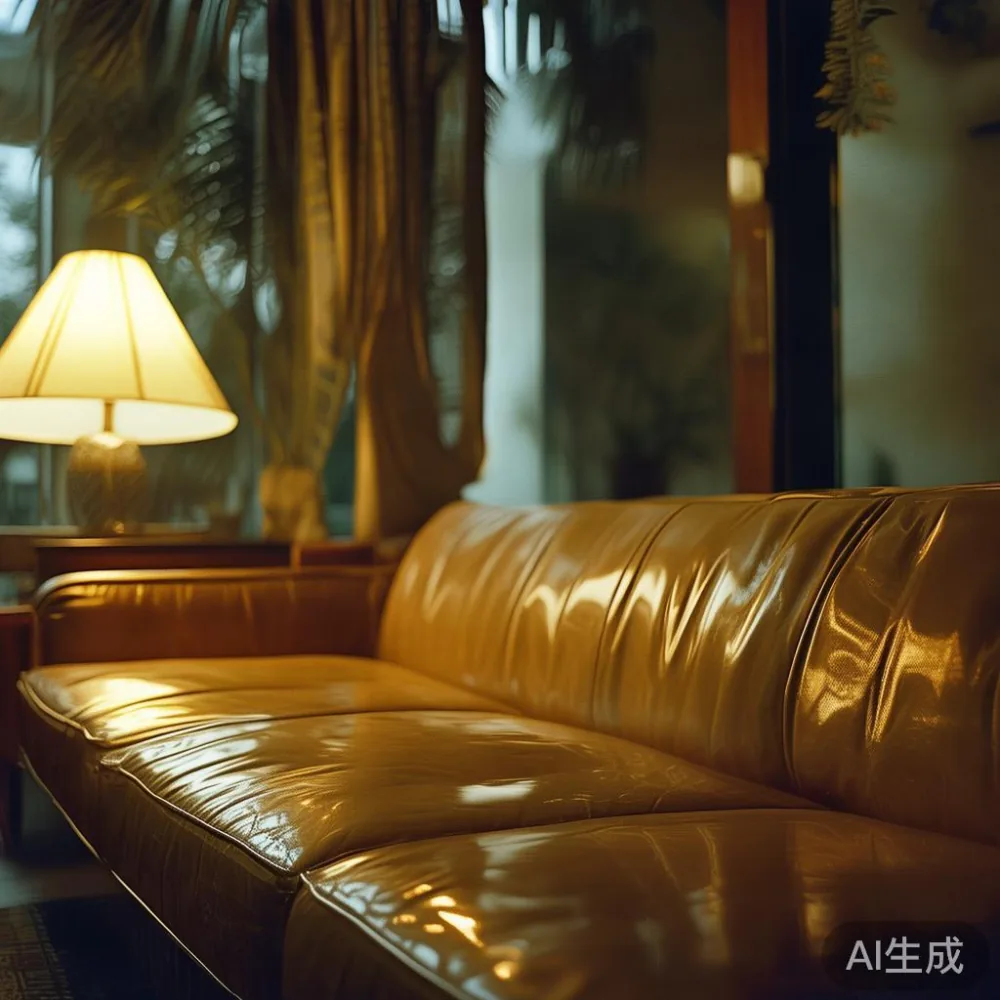
Do not assume all damage is moisture-related. Sunscreen, hand sanitiser, insect repellent, pet saliva, smoke residue, oily fingerprints, and cleaning-product solvents can cause local marks. In one recent visit to a client’s Tampines condo, I tested three inconspicuous finishes with a lightly damp white cloth. One water mark disappeared after 20 seconds; another left a faint bloom; the third showed no change. That simple test prevented unnecessary sanding and saved the client roughly SGD 280 in refinishing work.
How should I clean a lacquered sofa without ruining the finish?
Begin with the least severe method: dust, vacuum, and wipe gently. For a weekly clean, use a soft microfibre cloth, clean water, and a pH-neutral wood-safe cleaner. A 1:4 dilution is usually enough. Spray the cleaner onto the cloth rather than the sofa, then wipe in the direction of the grain. Keep the surface visibly damp for no more than 30 seconds and dry it immediately with a separate cloth.
Avoid letting moisture collect in seams, around cushions, or at the lacquer-to-wood junction. A typical 220 cm three-seat sofa may have 4–8 cm of deep seams where residue can hide. Lift removable cushion covers where the care label permits, vacuum the frame with a 120 W upholstery attachment, and inspect underneath every 2–4 weeks. Do not pull a stiff brush across lacquered edges.
For marks, test first in a concealed 5 cm square near the rear leg. The words “cheap Mid-century modern furniture” may fit a budget showroom, but low price does not make an aggressive cleaner safe. The same applies to a polished solid wood sofa: an unlabelled ammonia, alcohol, bleach, or oil product can strip the topcoat or leave a ring. Let the test area dry for 24 hours before judging the result.
Use blotting rather than rubbing for fresh spills. If tea lands on the finish, absorb it within 30 seconds with a dry white cloth. For grease, place a plain paper towel over the mark and warm it gently with a hairdryer held at least 20 cm away; do not exceed 40°C. A silicone-free degreaser may help, but only after a patch test. Never use household aerosols, drain cleaner, acetone, or rough scouring pads.
How often should lacquer be checked in a HDB flat or condo?
Set a simple monthly and quarterly rhythm. Monthly, inspect the top, front rail, armrests, and areas near windows. Check for clouding, stickiness, scratches, lifting, gaps, or colour change. Clean the high-touch zones monthly. Quarterly, inspect behind the sofa, beneath cushions, and around any wall or skirting-board contact point.
HDB layouts make underside inspection particularly important. After a monsoon afternoon, concrete walls and floors can stay cool and damp while the room remains warm. That temperature contrast can encourage condensation beneath a tightly placed piece. Leave 5–10 cm between the sofa and the wall where space allows, and avoid stacking items directly against a lacquered back panel.
For lifts and corridors, measure before delivery. A sofa with a packed width of 92 cm may fit a standard HDB lift door of about 80–90 cm only when turned correctly, while a 220 cm model may need to be checked against lift depth and turning radius. Protect lacquered corners with 2–3 mm foam and a rigid cardboard wrap, not adhesive tape. Remove loose cushions and legs where the manufacturer permits, photograph their positions, and bag each fixing in a labelled zip bag.
Local delivery commonly takes 3–7 working days after stock confirmation, but lift bookings, access restrictions, and renovation periods can extend the schedule. Confirm the delivery window at least 48 hours ahead and request a delivery slot with adequate loading time. If a corridor narrows to 78 cm, discuss a modular approach before the furniture reaches the building.
What should I do when lacquer begins to peel, bubble, or lift?
Stop using abrasive products and isolate the affected area. Lift, blister, and peeling can indicate moisture trapped beneath the film, contamination during application, or movement in unstable timber. A fingernail test can offer a rough guide: intact lacquer should resist scraping, while a soft or lifting edge may need professional attention. Do not press firmly enough to gouge the wood.
Photograph the damage in natural light and compare it with the original finish. If a chip is smaller than 1 cm² and the surrounding coating is firmly attached, a careful touch-up may be reasonable. Clean the area with a barely damp cloth, allow it to dry for 24 hours, and use a finish-compatible repair product according to its instructions. Test colour matching on an underside section first.
Larger defects need a different process. Fine sanding with 800, 1200, and 2000 grit may prepare a small blemish, but excessive sanding creates a visible “halo.” Where a panel has split, a lacquer edge has curled, or bare wood has darkened, seek specialist refinishing. MIDHILL’s lifetime refinishing service can help maintain pieces designed for long-term use, although service scope should be confirmed for lacquer type, location, and damage severity.
Do not apply petroleum jelly, butter, shoe polish, wax, or car polish as a repair. These can temporarily disguise a defect but interfere with future cleaning and refinishing. For mould around a lifting edge, address the moisture source first. Do not scrub visible growth, because spores may spread; isolate the area and obtain appropriate professional advice.
Can polished furniture fit a light-luxury apartment style?
Yes. Lacquered furniture can support several design directions when the colour, proportion, and detailing are considered together. For a French light-luxury room, warm cream lacquer, curved profiles, and slim legs create an elegant base. If you are researching how to style French sofa in apartment, match the sofa’s visual weight to a restrained palette of ivory, taupe, muted sage, and brushed brass. Keep large pattern clashes away from the lacquer itself.
American light-luxury styling pairs clean architectural lines with durable materials and generous comfort. A low-backed solid wood sofa in charcoal or mushroom lacquer can anchor a living room without making the space appear heavy. Post-modern light-luxury can use one lacquered dining table or nightstand as a controlled focal point, balanced by warm timber, textured textiles, and simple lighting.
For a compact Punggol flat, a round dining table with a 105–120 cm diameter can preserve circulation better than a rectangular 180 cm unit. A 45 cm-wide nightstand works beside a queen bed, while a 150–180 cm wardrobe may suit a bedroom wall. If you are comparing the best European bed for 2026 or the best French bed for 2026, assess the room, delivery route, frame construction, and finish maintenance together rather than relying on style labels alone.
A lacquered surface can also appear beside a marble table, but keep acidic liquids and oily dressing away from both. Use a separate coaster for perfume, cosmetics, and table condiments. Coasters should be at least 2 mm thick and at least 4 cm wider than the object’s base. For the best Rustic wardrobe for 2026, confirm whether the “rustic” description refers to the timber, the finish, or the door detailing; visible grain and a lacquered face are not interchangeable. When checking a MIDHILL wardrobe, ask for the lacquer system, expected colour variation, cleaning guidance, and refinishing terms before delivery.
Can I move, repair, or store lacquered furniture during renovation?
Move lacquered furniture only when necessary, and remove it from a wet work zone. During painting, tiling, or epoxy-floor work, relocate the sofa to a dry, climate-controlled room. Wrap it in breathable dust sheets rather than plastic for long periods. Plastic can trap condensation against the surface, especially if the furniture is moved from an air-conditioned flat into a humid corridor.
Carry components upright where possible. Do not drag a lacquered solid wood sofa across a tiled floor; the grit trapped underneath can scratch the finish in less than 1 metre. Lift it with at least 2 people, protecting corners with 3 mm padding. If it must pass through an 80 cm lift opening, check the diagonal, internal height, and turning clearance before arrival.
For a French provincial for guest room, a lacquered bed frame should be positioned away from an open window where rain can be driven indoors. Confirm headboard height against the ceiling and allow space for mattress movement. Bed frames often need seasonal inspection at the joints, while a wardrobe needs checks around its plinth and wall contact points.
Storage should be dry, ventilated, and off the floor. Lift furniture at least 10 cm above concrete and place moisture barriers beneath rather than wrapping the base tightly. Use silica-gel packs in enclosed cupboards, replacing or drying them according to the product instructions. Maintain air circulation and avoid temperatures above 35°C during transport.
What routine keeps lacquer attractive for 10 years or more?
Use a three-part routine: protect, clean, and inspect. Place the solid wood sofa at least 60 cm from windows with direct afternoon sun, or fit a UV-filtering curtain with an 80% or higher blocking rating. Blot spills immediately, rotate cushions if one side receives more sunlight, and clean every 7 days rather than waiting for visible grime.
Inspect lacquer every 30 days and more often after heavy rain or renovation. Record the date and note any new mark in a 3 cm square area. Keep cleaning products in labelled containers and follow the exact dilution; more product does not mean more protection. Never mix chemicals, even if each appears suitable on its own.
Minor surface scratches can sometimes be reduced with careful polishing, but the process depends on the lacquer formulation. Take a small test first and stop if the finish becomes hot, sticky, or uneven. Deep scratches, lifting, or water damage should not be handled as a routine polishing issue.
Budget roughly SGD 40–120 for a small professional repair, SGD 150–450 for refinishing a modest cabinet or table panel, and more for a large sofa or bed frame. These are planning ranges rather than quotations; exact costs depend on access, colour matching, and damage. MIDHILL offers a 10-year structural warranty and lifetime refinishing, so retain the invoice and check what is covered. Shipping above US$350 is free under the stated policy, although Singapore delivery, GST, lift access, and optional services should be confirmed separately.
Returns are accepted within 14 days under the stated terms, with the item in suitable condition and original packaging where required. Inspect lacquer, corners, and fixings on receipt, photograph everything, and note delivery damage before assembly. Singapore prices should be shown in SGD, and GST should be displayed clearly at checkout. A careful owner can preserve the finish’s depth and reflectivity while keeping a polished solid wood sofa, bed frame, dining table, wardrobe, nightstand, or marble table in daily use for many years.