How Southeast Asia Humidity Affects Solid Wood Furniture: A Practical Sofa Guide for Singapore Homes
Walk into any Tampines HDB flat on a rainy afternoon and you can feel the air change. The walls breathe. The wooden floorboards drink in moisture and give it back hours later. A solid wood dining table that looked perfect in the showroom can arrive at your door sounding tight at the joints, or worse, develop a fine crack along a panel within weeks. After ten years of supplying homes from Punggol condos to Bedok walk-ups, MIDHILL has learned that the gap between buying solid wood furniture and keeping it beautiful in Singapore is almost entirely about humidity. This sofa guide unpacks what actually happens inside a solid wood sofa, bed frame, dining table, or wardrobe when the relative humidity climbs past 75%, and what you can do about it without turning your living room into a museum.
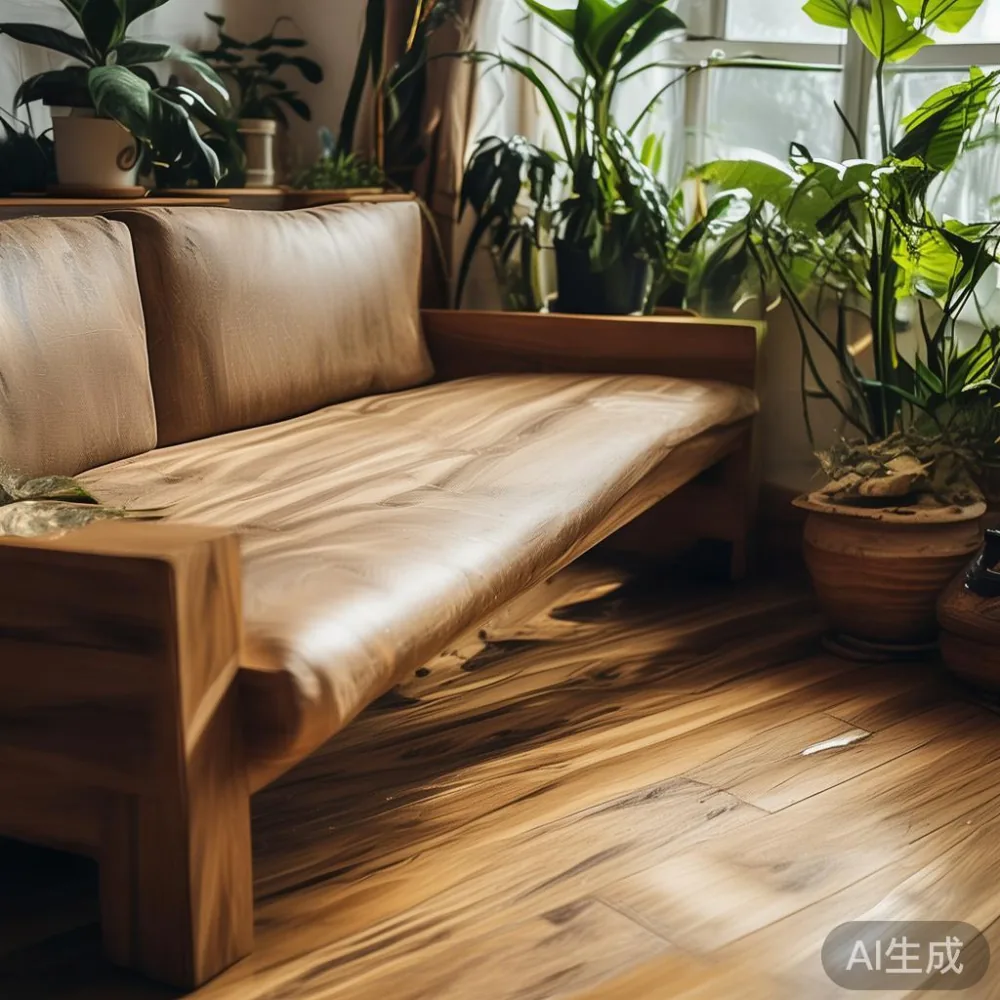
Why Singapore's Climate Is So Demanding on Solid Wood
Singapore sits roughly one degree north of the equator. The average relative humidity runs between 70% and 82% across the year, with night-time peaks that often touch 88% during the December to February monsoon push and the June to September southwest monsoon. Solid wood is hygroscopic: it absorbs and releases water vapour until it reaches equilibrium with the surrounding air. When humidity rises, fibres swell. When it drops, fibres shrink. Cycle that swell-shrink five or six times a day and the wood begins to move in ways the joinery was never designed to handle.
A few practical numbers to keep in mind. Teak, oak, and ash – the three species most often used in a solid wood sofa or bed frame – change dimension by roughly 1.5% to 2.5% across their width between 40% and 80% relative humidity. A 180 cm wide dining tabletop can therefore move 3 mm to 4 mm across the year. That sounds tiny until you realise the panel is glued, tenoned, or dowelled into a frame that cannot move that far. The result is hairline cracks along the grain, stuck drawers, or doors that suddenly rub in February and gape in July.
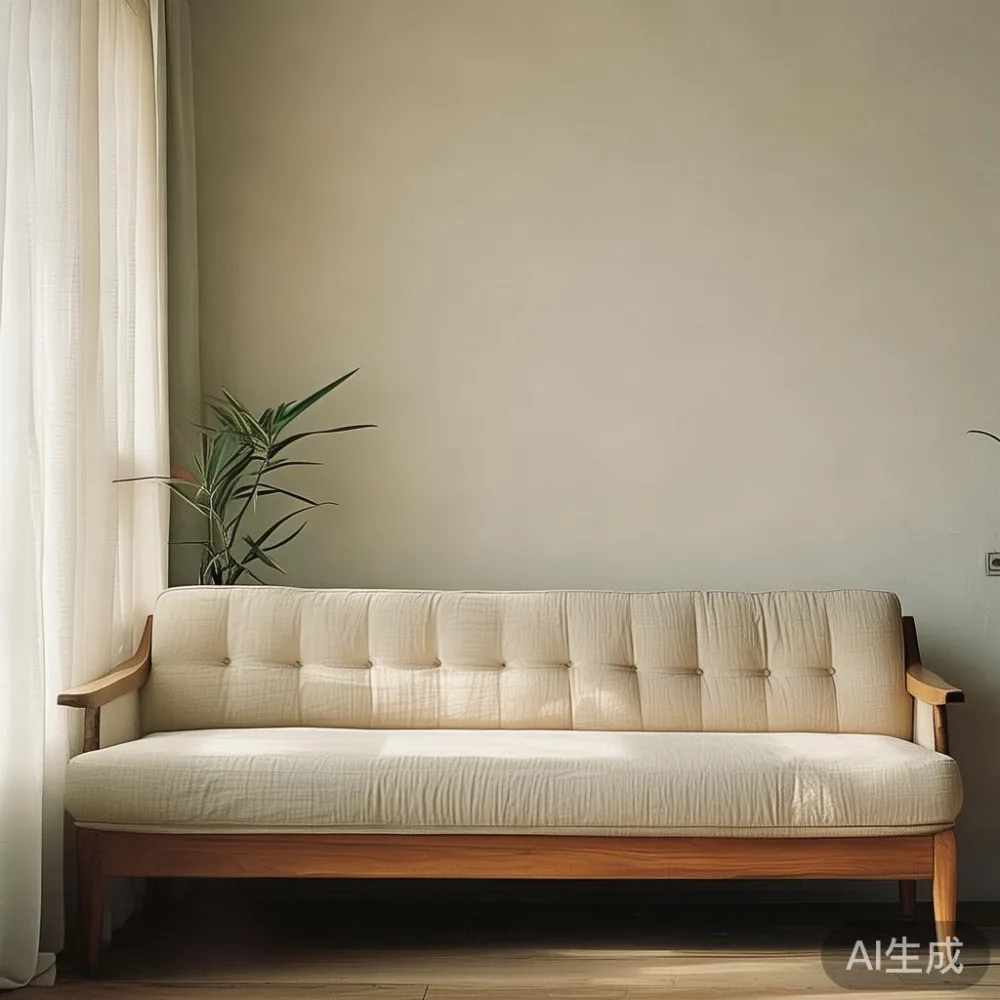
Because most Singapore HDB flats and condos are air-conditioned in the living room (usually 23°C to 25°C, which pulls indoor RH down to roughly 55–65%) and left more humid in the kitchen and balcony, furniture placed across room zones sees different conditions at the same moment. A wardrobe pushed against an external wall in a Punggol corner unit faces a different stress profile than a nightstand sitting between the bed and an internal partition wall.
What Humidity Does to Specific Furniture Types
The risk is not identical across categories. Here is what we actually see during warranty visits in Singapore.
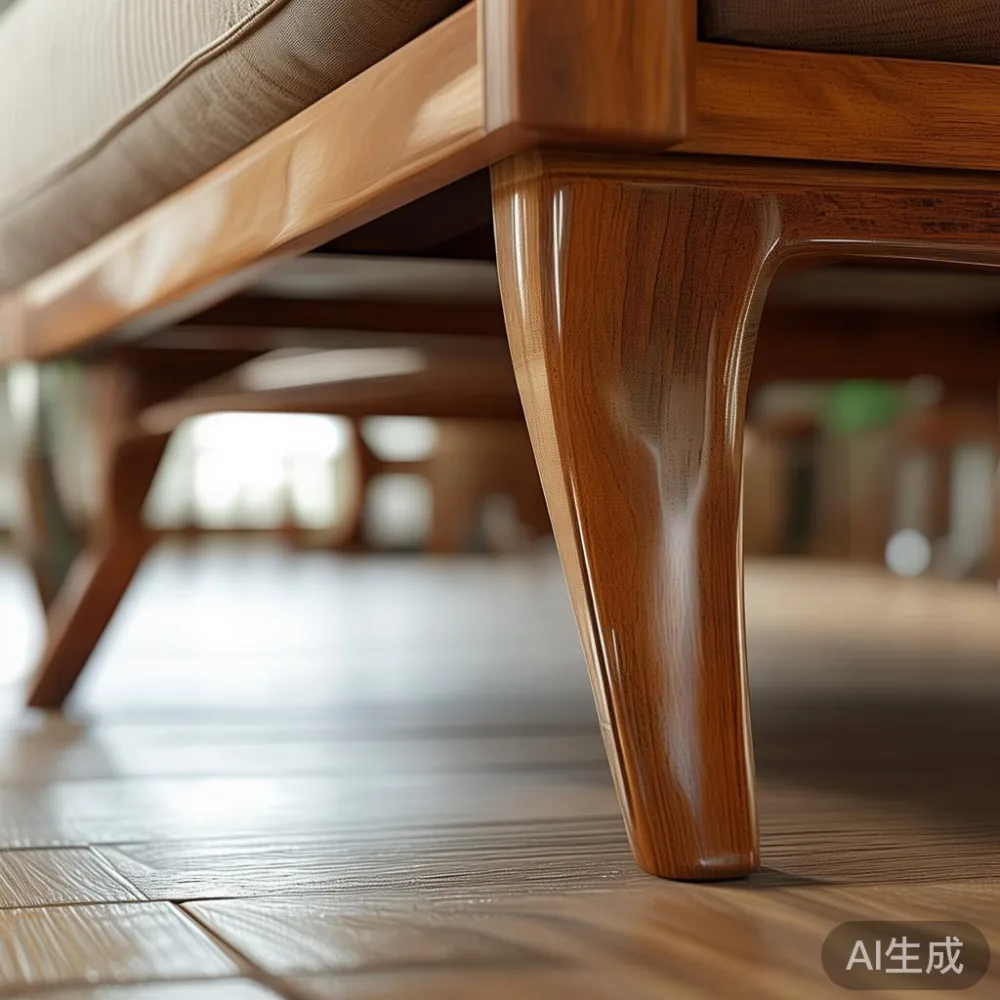
Solid wood sofas. Frames built from kiln-dried oak or ash, joined with mortise-and-tenon and corner blocks, handle normal household humidity well. The problems show up where the frame meets the cushion platform. If the platform is a solid panel rather than a webbed sling, the panel can cup when the underside is damper than the top – a common issue when a sofa sits 10 cm from an external wall in a north-facing Tampines flat. A well-built solid wood sofa will survive 8 to 12 years of Singapore use; a poorly dried one can show joint failure within 18 months.
Bed frames. Headboards attached to side rails with a fixed dowel are the weak point. Expansion across a 200 cm king-size headboard can press the rails outward, opening gaps at the joinery or cracking the headboard panel. Slatted bases fare better than solid panels because air circulates around each slat. If you are considering how to style European light luxury bed in room with tropical humidity in mind, leave at least 8 cm behind the headboard for airflow and avoid pushing the frame flush against a non-breathable feature wall.
Dining tables. This is where we see the most complaints. Extensions, breadboards, and centre-leaf mechanisms rely on precise tolerances. A 160 cm to 200 cm extending dining table can refuse to open by March if the rails have swollen, or wobble by August if they have shrunk. Solid wood dining tables intended for French provincial for dining room styling typically use thicker aprons and traditional breadboard ends, which tolerate movement far better than cheap bolt-together frames.
Wardrobes and nightstands. Doors and drawers reveal humidity issues first. A wardrobe door that closed perfectly during delivery in March may stick in November, and a nightstand drawer that slid smoothly may jam four months later. Wardrobes benefit from being anchored to the wall (most Singapore HDB landlords require this anyway) and from having rear ventilation, ideally through a 10 mm gap at the back panel.
Marble tables. Although the surface is stone, the base is almost always solid wood. The stone is stable; the wood beneath it moves. A marble-top coffee table with a wooden plinth can develop a hairline gap where stone meets wood within the first humidity cycle, then close again. This is normal and not a defect.
Can I Keep My Solid Wood Furniture Without an Air-Conditioner Running 24/7?
This is the single most common question our Singapore customers ask, especially those in older Bedok or Toa Payoh flats where the master bedroom has no air-conditioning. The honest answer is yes, but you need to be deliberate about placement and airflow.
In a non-air-conditioned room, target a stable relative humidity between 55% and 70%. A S$25 to S$60 digital hygrometer from any Tampines Mall electronics shop is a worthwhile purchase. If the reading climbs above 75% for more than a few hours, run a standalone dehumidifier rated for the room size. A 10 m² bedroom needs roughly a 6 L to 8 L per day unit, costing about S$0.12 per hour in electricity. A 25 m² living room needs a 12 L per day unit. Place the dehumidifier at least 2 m away from a solid wood wardrobe so the dry air does not create a local low-humidity pocket on one panel.
If you cannot run a dehumidifier, simple habits go a long way. Close the bedroom door when you run the bathroom shower. Wipe condensation off windowsills during the morning surge. Avoid placing a solid wood dining table directly under a window that is opened every night for ventilation, because the direct exposure to outdoor 85% RH air accelerates swelling on the underside of the table while the top stays drier. A 2 cm felt or rubber pad under each leg of the dining table also reduces moisture wicking from a freshly mopped floor.
Last month I visited a three-room HDB in Punggol where the owner had stacked a dehumidifier next to a 2 m solid wood wardrobe for two years. The wardrobe's left side panel – the one facing the unit – had dried out and pulled inward, leaving a 1.5 mm gap along the back. Moving the dehumidifier 3 m away and running it on a hygrometer-controlled mode fixed the issue within three weeks. Distance and distribution matter more than raw dehumidifier capacity.
Light Luxury Styles That Actually Tolerate Humidity Well
Not all light luxury aesthetics respond equally to Singapore's climate. When we compare French sofa vs Nordic sofa construction for humid conditions, the answer is not about which looks better on Pinterest – it is about joinery and timber choice.
French light luxury and French provincial furniture typically use traditional frame construction: mortise-and-tenon, dovetailed drawers, solid wood panels with breadboard ends on dining tables, and thicker 25 mm to 30 mm timber rather than veneer-over-MDF. These traditional joints tolerate wood movement because they are designed around it. A French provincial sideboard with light luxury with storage compartments actually performs better in Singapore than a cheaper Nordic-inspired piece with MDF drawer boxes, because the solid timber drawer sides move as one unit instead of delaminating at the corner glue lines.
American light luxury leans toward bigger sofas, deeper cushions, and chunkier bed frames. The frames are usually oak or ash, similar to Nordic, but with more solid wood and less engineered panel. For humid climates, look for pieces where the drawer boxes are also solid wood, where the back panels are 9 mm to 12 mm plywood rather than cardboard-thin hardboard, and where the rear of a wardrobe is recessed 10 mm to 15 mm to allow airflow.
Post-modern light luxury mixes materials: a marble table with a brass-trimmed wooden base, a bed frame with a curved upholstered headboard and a solid wood plinth. In Singapore, these hybrid pieces do well as long as the wood component is not sealed on all six sides. A marble table whose plinth is fully wrapped in laminate cannot breathe and will cup; the same table with an open wooden frame on three sides breathes freely.
If you are weighing European light luxury bed vs Japandi bed for a tropical bedroom, the European piece usually has more solid wood and fewer engineered panels, which is the right call for humidity. The Japandi aesthetic often relies on pale ash or beech veneers that show surface checking sooner.
A Room-by-Room Placement Plan for Singapore Homes
Most readers do not need a 3,000-word treatise on wood science. What they need is a practical placement plan. Here is the one we hand to customers after delivery.
Living room. Place your solid wood sofa at least 10 cm from any external wall. This is sometimes impossible in a compact 45 m² HDB flat, in which case pull the sofa 2 cm out and slide a 20 mm cork or foam spacer behind the backrest to create a micro air gap. Avoid positioning a marble table coffee table directly under a ceiling-mounted air-conditioning vent, because the cold dry air on one side and the room's warmer humid air on the other side creates a moisture gradient that warps the wooden plinth within months.
Dining area. A solid wood dining table should sit at least 50 cm from any openable window, and ideally not directly above an air-conditioning vent. Use felt or rubber pads under all four legs to break the moisture wick from the floor. If your dining area has a tiled floor and you mop daily, consider a low-pile rug sized 220 cm by 140 cm under the table to slow down the evaporation rate that the table legs experience.
Bedroom. A solid wood bed frame should have 8 cm behind the headboard and 5 cm on each side of the side rails if the room allows. If the bed must be pushed against the wall on one side, leave the opposite side open. A wardrobe works best on an internal partition wall, not an external concrete wall, because external walls run 2°C to 3°C cooler at night and condense moisture. For a French provincial wardrobe with light luxury with storage drawers, run the wardrobe dehumidifier cycle overnight (11 pm to 7 am) rather than all day.
Balcony and outdoor spaces. No solid wood furniture from any maker should sit permanently on a Singapore balcony. UV, rain splash, and 85% night-time humidity will grey the timber and open the grain within two monsoon seasons. Even "outdoor-rated" teak needs a S$180 cover and weekly wiping. For a balcony seating area, choose aluminium or polywood and reserve the solid wood sofa for indoors.
How Long Should Quality Solid Wood Furniture Last in Singapore?
With reasonable care – moderate air-conditioning, thoughtful placement, and an occasional dehumidifier cycle – a well-built solid wood sofa, bed frame, dining table, or wardrobe from a maker like MIDHILL should serve a Singapore household for 10 to 15 years before a major refinish. The factory offers a 10-year structural warranty covering joinery failure and timber cracking under normal residential use, plus lifetime refinishing services from the Foshan workshop for customers willing to ship or arrange pick-up.
Most customers in Singapore never need to claim the warranty. Theurniture that does fail usually fails for three reasons: it was placed against an external wall too early (within the first 30 days after delivery, when the timber is still adjusting to its new environment), it was stored in a half-renovated flat with wet plaster for weeks, or it spent two years pressed against a windowless external wall in a non-air-conditioned room. None of these failure modes are the timber's fault. They are humidity planning failures, and they are the easiest category of damage to avoid with a S$25 hygrometer and 30 minutes of furniture placement thought.
If you are ordering a large piece – say a 240 cm American light luxury sideboard or a 200 cm solid wood dining table – request a complimentary humidity check from the delivery team on arrival. A quick reading on the surface of the piece and at the destination wall takes two minutes and gives a baseline. Any responsible supplier who exports solid wood furniture to 15+ countries and ships free above US$350 will know exactly why that reading matters. At MIDHILL our delivery crews carry pocket hygrometers for that reason, and they will flag a borderline site before the first piece is unwrapped.
For readers thinking about a larger investment – perhaps a full French provincial dining set or a full bedroom suite – request the 14-day return option in writing and run a personal humidity diary before confirming. Place the piece where you intend to keep it, photograph any movement at days 1, 7, and 14, and only commit once you have seen the timber settle. This is not about the supplier's confidence in the product. It is about your peace of mind.
Final Practical Checklist Before You Buy
Before you confirm any order for a solid wood sofa, bed frame, dining table, or wardrobe destined for a Singapore home, work through this checklist. It is short enough to memorise and long enough to save you a S$3,000 to S$8,000 mistake.
1. Measure door, corridor, and lift openings. A standard Singapore HDB passenger lift internal cavity is roughly 110 cm wide by 140 cm deep by 215 cm tall. A condo service lift can be 150 cm by 220 cm by 240 cm. A 220 cm long dining table simply does not fit a standard lift; it must come in two halves or go up the staircase if the corridor is wide enough. Confirm with your supplier before paying the 9% GST on a non-fitting piece.
2. Ask the supplier for kiln-dried timber certificates and target moisture content. Anything above 12% incoming moisture is risky for Singapore. Pieces dried to 8% to 10% will absorb humidity and stabilise around 12% to 14%, which is the safe interior range.
3. Inspect the joinery. Mortise-and-tenon, dovetails, and dowels are humidity-tolerant. Staples, brad nails, and glue-only mitre joints are not. A solid wood sofa frame held together by staples will fail in Singapore; a mortise-and-tenon frame will outlast the cushions.
4. Ask about finishes. A matte open-pore oil finish breathes; a high-gloss polyurethane seals the wood and locks in moisture, which then cracks the finish from underneath. For most Singapore homes, an open-pore oil or a thin hard-wax oil is the better choice.
5. Plan the first 30 days. Keep the room well-ventilated during the day, run a dehumidifier overnight if the RH climbs above 75%, and avoid placing rugs, books, or decorations on the new solid wood dining table for the first two weeks while the timber settles.
Solid wood furniture in Singapore is not difficult to own, but it does ask for attention that engineered wood and laminate do not. The reward is a piece that, ten years from now, will still feel like the day it was delivered – tight joints, smooth drawers, and a patina that only improves. Treat the timber as a living material rather than a finished product, and it will reward you for decades. Browse the full collection and request samples at midhill.co before you decide.