Humidity, Solid Wood Furniture and Singapore Homes: A Practical Sofa Guide
Singapore’s tropical climate makes furniture care more than a matter of appearance. Humidity levels, condensation from an HDB flat in Tampines or a Punggol condo, frequent lift journeys, and the limited ventilation inside a high-rise home can all affect solid wood furniture over time. Wood naturally expands and contracts as it absorbs and releases moisture, so even a well-made solid wood sofa, bed frame, dining table, wardrobe, nightstand, or marble table needs a sensible care routine.
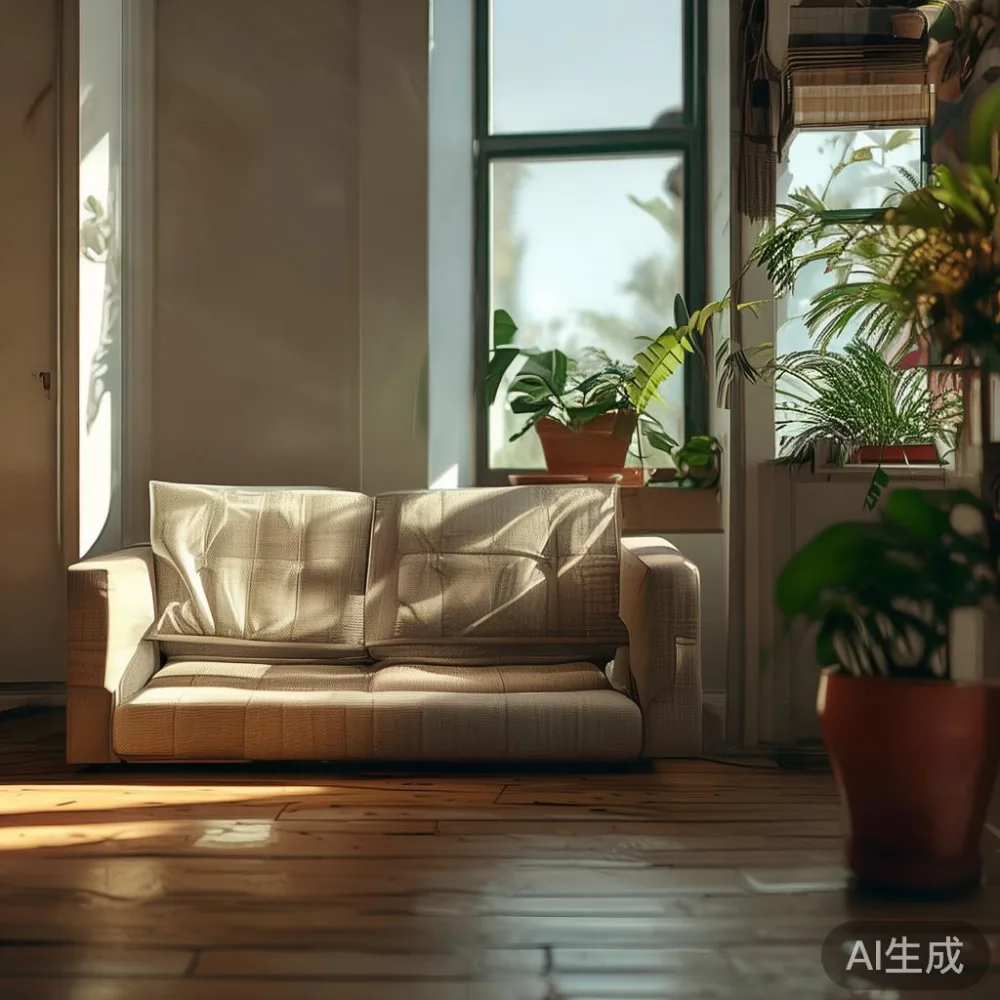
This sofa guide explains how Southeast Asian humidity affects timber, how to recognise early warning signs, and how to protect furniture without sacrificing the warm character of natural wood. It also considers the practical realities of Singapore’s HDB flats and condos, including corridor widths, lift dimensions, GST, delivery timing, and after-sales support.
MIDHILL makes solid wood furniture for homes where quality and longevity matter. Established in 2008 and exporting to more than 15 countries, the company provides a 10-year structural warranty, lifetime refinishing, free shipping above US$350, and a 14-day return window. These details matter because humidity control is only one part of protecting a purchase; sound construction and reliable service support the furniture for years.
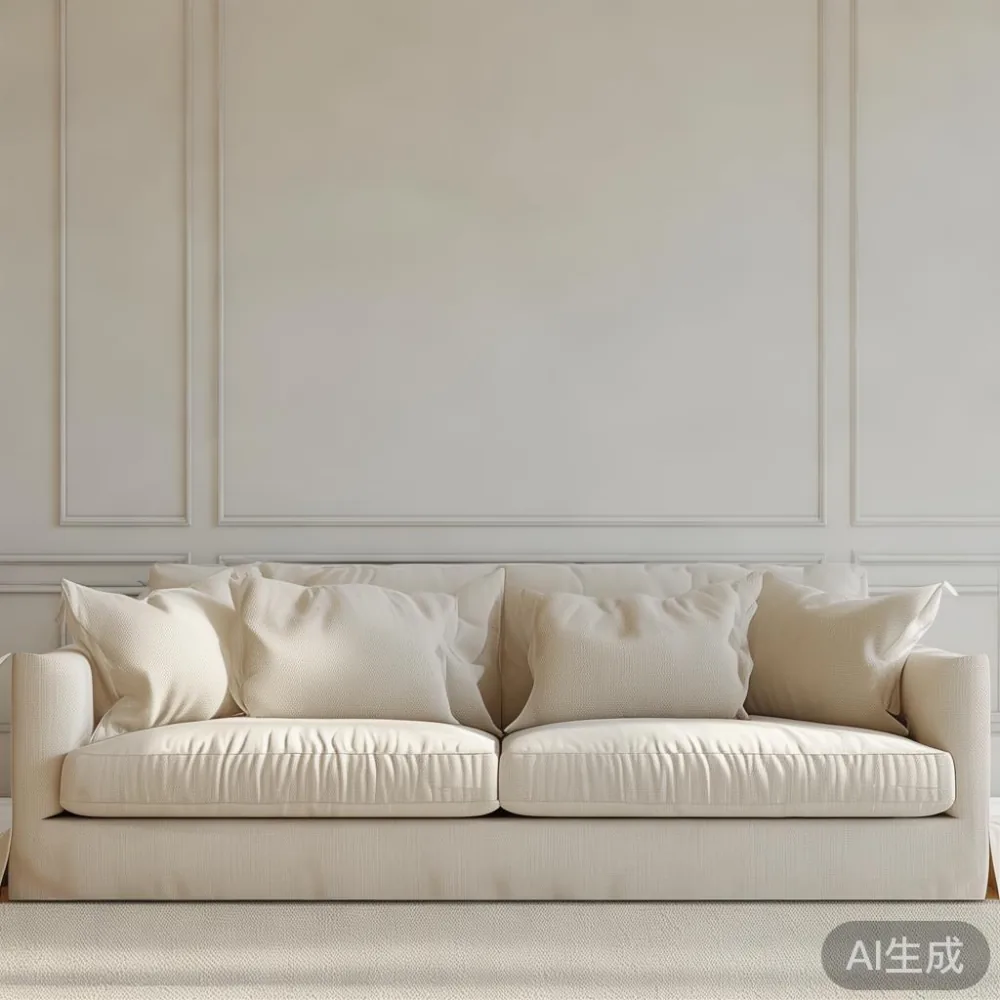
Why does humidity affect solid wood furniture in Singapore?
Singapore’s average relative humidity commonly sits around 70% to 85%, although readings can change with rainfall, air-conditioning, and the time of day. A level near 60% is generally more comfortable for timber. That does not mean wood should be kept artificially dry; it means the surrounding humidity should remain reasonably stable.
Solid wood is not a rigid, moisture-proof material. Timber contains microscopic cells that absorb atmospheric moisture. When humidity rises, the cells swell; when the air becomes drier, they shrink. The movement is small in a finished surface but visible over months or years around joints, edges, panels, and veneered details.
Changes can also occur because of temperature swings. A dining table near an air-conditioning vent may experience a different environment from the same table near a window during a thunderstorm. In a compact HDB unit, where the living room is often close to the kitchen and bedroom doors, a sofa or bed frame may repeatedly encounter damp air and dry air as the air conditioner operates.
Repeated cycles can lead to checking, warping, swelling, or movement at joints. Veneers can lift, solid panels can crack, and hardware can loosen. A nightstand with a drawer may rub; a bed frame may develop a slight gap; and a wardrobe door may no longer close evenly. These are not always manufacturing defects. They can be connected to unstable moisture conditions, although faulty construction and poor finishing can aggravate the problem.
The practical objective is not to eliminate humidity. It is to reduce rapid changes, keep direct moisture away from wood, and maintain a stable indoor environment. A hygrometer is useful here. Place one near a sofa or bed frame and record the reading at roughly 9 a.m. and 9 p.m. for 7 days. A stable range of about 55% to 70% is easier for timber than frequent shifts between 45% and 90%.
What do HDB flats and condos change about furniture care?
Singapore’s high-rise living conditions make environmental management both easier and more demanding. Central air-conditioning and dehumidifiers can control moisture, while a well-sealed unit reduces rain penetration. At the same time, many apartments receive intense afternoon light through west-facing windows, and household activities such as cooking, showering, and drying laundry create temporary humidity spikes.
In an HDB flat in Bedok, for example, a corridor may be only 120 cm wide. A solid wood sofa leg or dining table top cannot simply be tilted through a turning corner. Before delivery, confirm the packaged dimensions rather than relying on the assembled dimensions. For a dining table, allow at least 10 cm of clearance on each side in a compact dining area; for a sofa, leave 60 cm to 90 cm between the front edge and a coffee table where space permits.
Lift access needs the same attention. A standard passenger lift may offer an internal door width near 90 cm and a depth around 130 cm, but building-specific rules vary. If a package exceeds those figures, the delivery team may need to use a larger service lift or assemble the piece in the unit. Check whether the building requires a booking, protection of common areas, or a delivery permit. Corridors of 135 cm to 150 cm are common enough for many boxed furniture items, yet diagonal measurements and turning clearance can still be decisive.
Condo owners should also consider loading bays and parking access. A polished marble table may weigh 70 kg to 120 kg depending on its size and construction, while a large solid wood dining table can exceed 90 kg. Heavy items should be carried by at least 2 trained staff members with suitable trolleys. Protect door frames, walls, and lift buttons, and photograph the route before the move begins.
How can I keep a solid wood sofa safe from dampness?
A solid wood sofa combines structural timber with cushions, foam, and upholstery. Humidity can affect both. Timber may swell slightly, while foam and fabric can retain moisture or develop an odour if air circulation is poor.
Place the sofa at least 30 cm from an exterior wall and 45 cm from a window if the room layout allows. Avoid direct contact with air-conditioning outlets, because rapid cooling can create repeated expansion and contraction. If a west-facing window causes a noticeable heat and humidity increase after a storm, use curtains during wet periods and maintain steady air-conditioning settings rather than switching the unit on and off frequently.
Use breathable, removable seat covers where appropriate. Vacuum beneath the sofa and between cushions every 2 weeks, and remove any damp items promptly. A small hygrometer placed near floor level can reveal trapped moisture, especially in a new flat with drying concrete and limited cross-ventilation.
This is also where a sofa guide should go beyond style. Check the frame, corner joints, drawer runners, and underside before accepting delivery. A light-luxury sofa with restrained French or American proportions can look elegant in a condo, but its construction matters more than its visual label. If you are considering a Japanese sofa in apartment living, the compact scale may suit a Punggol studio, yet the timber still needs stable humidity and adequate clearance.
For Singapore shoppers asking whether is European sofa worth it, the answer depends on frame material, joinery, comfort, dimensions, and fit within the home. A European-style solid wood sofa with properly finished joints and supportive suspension can suit local conditions. It should not sit permanently against a cold wall, beside a bathroom doorway, or in a room that remains persistently above 80% relative humidity.
How should I care for bed frames, dining tables, wardrobes, nightstands, and marble tables?
Care differs by furniture type, but the principles remain consistent: stable humidity, dry surfaces, sensible placement, and prompt attention to damage.
For a bed frame, keep it away from open windows and direct air-conditioning airflow. Check the centre rail, slats, and screw fixings every 6 months. Allow ventilation beneath the frame where practical, particularly in a new HDB flat. In a master bedroom, a relative-humidity reading near 65% is a reasonable target. Do not place bedding that has just been aired in a damp balcony directly onto the frame.
For a dining table, wipe spills within 15 minutes rather than allowing water to sit. Use a soft cloth and a mild cleaner suitable for the finish. Avoid leaving hot dishes, wet vases, or flower water on the surface overnight. A table near an open kitchen may receive grease and steam, so place a protective mat where it will not interfere with the timber’s appearance.
Wardrobes require airflow because a large volume of timber can take longer to adjust to humidity changes. Leave a 5 cm gap between the back of the wardrobe and the wall if space permits, and open the doors periodically during dry periods. If you are learning how to style European wardrobe in bedroom, coordinate the storage with pale walls, warm lighting, and uncluttered floor space instead of pushing it tightly into a humid corner. If you are comparing how to choose French provincial wardrobe, look at drawer construction, door alignment, moisture-resistant finishes, and whether the internal compartments suit folded clothing rather than choosing solely from decorative details.
A nightstand should not sit beneath a leaking window or beside a humid laundry balcony. Keep coasters under drinks and check underneath for condensation. For a marble table, humidity affects the surrounding timber frame and any cabinetry more than the stone itself. Use a stable base, avoid dragging it across tiles, and have a heavy top lifted by professionals because marble panels may weigh 45 kg to 80 kg.
European light luxury bed vs French provincial bed is partly a question of proportions and detailing, but local care should guide the choice. Both need a dry placement and good ventilation. Post-modern light luxury styling can suit a condo through clean lines, yet lighter visual weight should not be confused with flimsy construction.
What humidity problems should I look for before they become serious?
Inspect furniture every 3 months, especially before and after the monsoon period. Early signs include a door catching at one corner, a drawer developing uneven resistance, a slightly rounded tabletop edge, a fine surface line, or a hinge that no longer sits flush. Lift cushions and check beneath them for dampness, musty smells, or darkened timber.
Measure the furniture rather than relying on appearance alone. A small deviation across a 120 cm solid wood dining table can indicate uneven moisture movement. For a wardrobe door, measure from the frame to the door at the top, middle, and bottom. If the variation exceeds 3 mm, adjust the humidity first and inspect the hinges afterward.
Last month I visited a colleague’s three-room HDB flat in Tampines after a week of heavy rain. The kitchen window had remained slightly open, and a solid wood dining table near the dining area showed a rough patch along one edge. A hygrometer recorded 84% beside the table but 66% near the air-conditioned living room. We moved the table 40 cm away from the wall, closed the window, ran the dehumidifier for 3 hours, and dried the edge gently. After 7 days, the roughness had reduced and the surface had returned to a more even appearance.
That experience highlights why small environmental corrections are worthwhile. If a mark does not improve after 14 days of stable conditions, inspect the finish and joinery. Do not sand aggressively without advice, because moisture-related damage can resemble ordinary wear. Documenting readings, photographs, and repair steps also supports a warranty discussion.
How do delivery, GST, and after-sales service affect a long-term furniture purchase?
Humidity protection begins before the furniture reaches the unit. Confirm the delivery date, packaging size, lift dimensions, and assembly requirements. For Singapore orders, ask for the GST-inclusive price in SGD so the comparison is straightforward. If a solid wood sofa arrives in 3 cartons, check all cartons before the team leaves. Keep the order record for at least 10 years if you want easy access to the structural warranty documents.
MIDHILL offers free shipping for qualifying orders above US$350, a 14-day return period, and lifetime refinishing. Confirm at purchase whether the return arrangement for an oversized item includes collection, protection, and any freight charges. Furniture that must enter through a narrow corridor should be measured carefully; replacing a damaged frame can be more disruptive than planning the route in advance.
Solid wood furniture also benefits from periodic maintenance. Avoid “spring cleaning” approaches that soak surfaces with water. Instead, clean gently, renew the finish as needed, and keep a written care record. For example, note the hygrometer reading, the date, and the product finish every 6 months. If the finish is refreshed, record the product and year.
Singapore shoppers browsing for sale Boho furniture may find plenty of decorative options, but they should still inspect the frame, surface, and moisture protection. A light-luxury French, American, or post-modern direction can work well in HDB flats and condos when the scale is disciplined and the construction is sound. A compact sofa with a 205 cm length, a 42 cm seat depth, and solid timber legs can fit a modern living room more comfortably than a visually delicate model with an oversized footprint.
What is the practical routine for humid Southeast Asian homes?
Use a room hygrometer, aim for roughly 55% to 70% relative humidity, and avoid sudden swings. Ventilate after cooking and showering, run a dehumidifier when readings remain above 70%, and keep furniture 30 cm or more from exterior walls where possible. Wipe moisture promptly, check undersides and joints every 3 months, and inspect timber movement twice a year.
For larger pieces, confirm the packaged dimensions, lift access, corridor turns, and weight before delivery. A dining table can weigh 65 kg to 110 kg, a wardrobe 90 kg to 180 kg, and a marble table 70 kg to 120 kg. Two or more trained handlers may be needed. Protect common areas, follow the building’s delivery rules, and ensure the final position allows ventilation.
The best care routine is quiet and consistent. Stable rooms, thoughtful placement, and timely maintenance allow a solid wood sofa, bed frame, dining table, wardrobe, nightstand, or marble table to age gracefully. For anyone searching for furniture through midhill.co, the key is to treat environmental conditions and product quality as parts of the same long-term ownership plan, not details to consider after delivery.