Wood Furniture Care in Southeast Asia’s Humidity
Singapore’s warm, humid climate can change solid wood furniture more quickly than many buyers expect. In HDB flats and private condos from Tampines to Bedok and Punggol, indoor relative humidity may rise to 65–80% during the monsoon period, especially in rooms facing west or north-east. That moisture can swell timber, encourage mould around joints, weaken adhesives, and leave a solid wood sofa, bed frame, dining table, wardrobe, or nightstand with doors that no longer close cleanly.
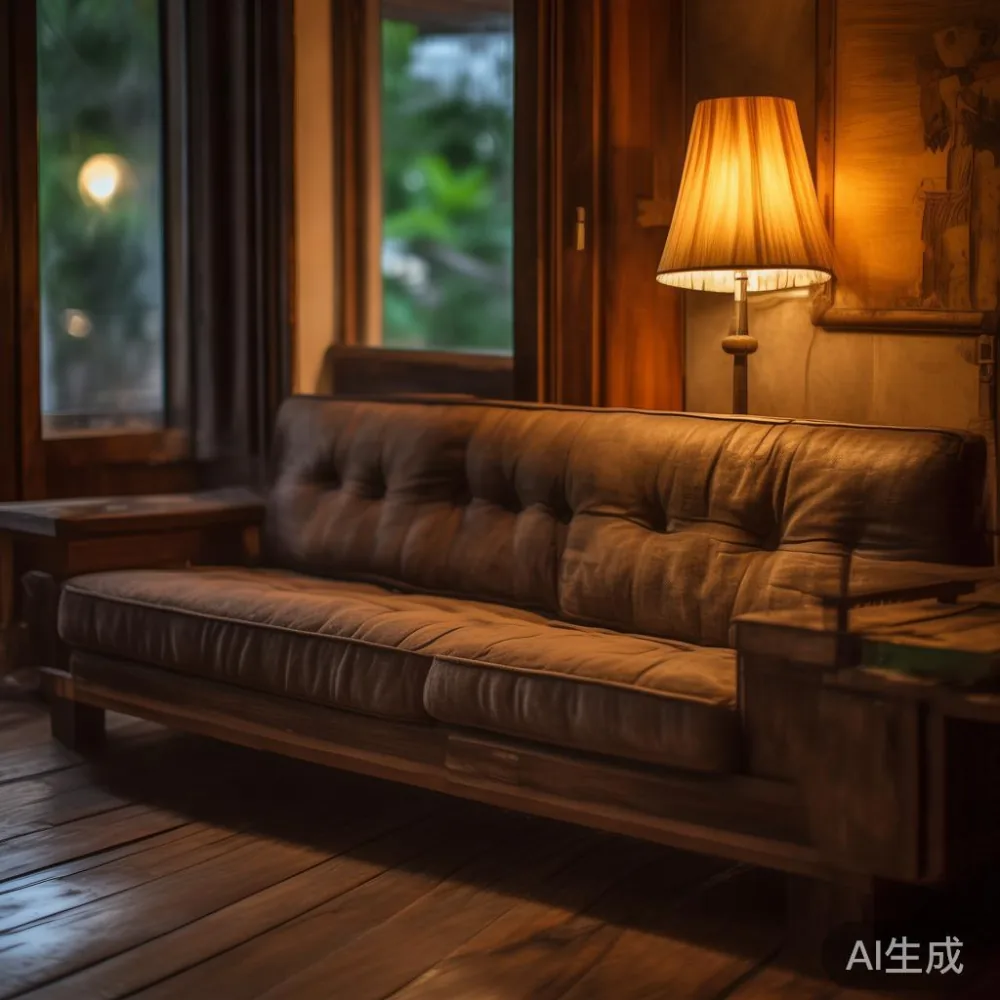
This guide explains how tropical humidity affects furniture, which pieces need attention, and how to create a comfortable home without sacrificing the proportions or character of solid wood. It is part of our practical sofa guide to buying wood furniture for Singapore, with notes on moisture, air circulation, materials, and delivery.
At MIDHILL, we make solid wood furniture for homes that experience four seasons of humidity rather than one predictable climate. Our production approach includes a 10-year structural warranty, lifetime refinishing, 14-day returns, and free shipping in Singapore for orders over US$350, equivalent to about SGD$465 at a typical card exchange rate. A typical solid wood dining table weighing 68 kg is usually delivered in 5–8 working days after production, depending on stock and the destination lift.
Why does humidity in Singapore change solid wood furniture?
Wood is hygroscopic: it absorbs water vapour from the surrounding air and releases it when the air becomes drier. Southeast Asian humidity does more than create a sticky surface. During heavy rain, outdoor air can carry far more moisture than the air inside an air-conditioned flat. When that humid air enters the home, the relative humidity can shift quickly, particularly between a corridor and an air-conditioned living room.
The movement is measured in wood moisture content, expressed as a percentage of the dry weight of timber. For indoor residential furniture in Singapore, a practical target is about 8–15% moisture content, although the correct figure depends on the species and the room’s established humidity. A new dining table should not arrive at 20% moisture content and then be placed directly against an air-conditioning vent. The table may dry unevenly, opening shrinkage gaps along its edges and joints.
Seasonality matters. Singapore’s wettest months commonly coincide with higher evening humidity, while air-conditioned bedrooms may become comparatively dry. The annual difference between an unventilated west-facing unit and a dehumidified bedroom can be substantial. Buyers should allow solid wood to acclimatise for 7–14 days before treating, tightening, or refinishing it.
Which furniture suffers first in a humid HDB flat or condo?
A solid wood sofa usually has the largest visible timber surfaces and may include solid wood arms, legs, frames, or side panels. Broad panels can show small movement along the grain, while cushions and upholstered sections can trap moisture if foam or fillings are not ventilated. Keep the sofa at least 30 cm from an exterior wall and 15 cm from curtains that touch the timber. This simple spacing reduces condensation and makes cleaning easier.
A bed frame responds by moving slightly around its bolts, slats, or drawbridge joints. Headboards and side rails are especially sensitive because they experience night-time humidity and direct air-conditioning airflow. Check fixings every 6 months and avoid stacking bedding tightly against the headboard. A frame finished with water-based polyurethane can generally be wiped with a slightly damp cloth, but standing water should still be avoided.
Wardrobes require more attention because they combine large panels with hinges, tracks, and often mirrored or lacquered surfaces. A standard Singapore HDB bedroom may have a usable wardrobe run of 180–240 cm, while a compact walk-in wardrobe may be limited by a corridor width of only 90–120 cm. The completed wardrobe should be installed with a 50–100 mm ventilation gap at the top where practical, and its back should remain 20–30 cm from the wall if installation allows. Keep the air vent in a nearby bathroom or kitchen from blowing directly across the doors.
Dining tables and nightstands are usually easier to maintain. Place a dining table in the main living area rather than beside a frequently opened kitchen doorway, and use coasters with a diameter of at least 8 cm. For a nightstand, leave 10–15 cm between its rear panel and the wall when possible. A marble table is less vulnerable to dimensional movement because marble does not swell like wood, although its marble top and metal or timber base still need protection from prolonged dampness.
How much humidity is comfortable for solid wood furniture?
For Singapore interiors, keeping relative humidity around 45–60% is a sensible target for both timber and occupant comfort. During the monsoon period, readings above 70% call for more attention. A digital hygrometer placed near, but not directly against, a wall is more useful than a unit mounted on the bathroom wall. Check it at 8 a.m., 3 p.m., and 10 p.m. for 5–7 days; this reveals whether the daily fluctuation is caused by cooking, showering, laundry, or the air-conditioning system.
A portable dehumidifier can maintain a small bedroom near 50–55% humidity. Models rated for 20–30 litres per day suit rooms of roughly 20–35 square metres, though actual performance depends on ceiling height, ventilation, and how often doors are opened. Running a dehumidifier after every shower for 30–60 minutes often brings more benefit than leaving it on continuously. Drainage must be arranged so no hose crosses a corridor or lift lobby without protection.
Air-conditioning lowers humidity, but rapid drying can be as damaging as persistent dampness. Direct air at 16–18°C for 12 hours may pull a solid wood bed frame or dining table into a drier state than it occupied during the day. Aim for 22–25°C where possible, use fan mode outside peak periods, and redirect vents upward. This is also relevant when choosing furniture for a HDB flat where the bedroom thermostat remains at 19°C while the rest of the unit is warmer.
How should I prepare a solid wood sofa and bed frame for Singapore weather?
Choose seasoned timber with a documented moisture treatment, and ask the supplier about the expected indoor moisture range. It is useful to request a finish suitable for tropical conditions: a water-based polyurethane or hardwax oil system applied in thin, even coats gives solid wood protection and allows the surface to be repaired. Its appearance should be described accurately, since a matte oil finish will require more frequent care than a denser lacquer.
On delivery day, do not remove protective packaging immediately if the furniture has travelled from a cooler warehouse or a substantially different humidity zone. Leave breathable wrapping in place for 4–8 hours, then allow 7–14 days of acclimatisation. For a solid wood sofa, inspect the underside and rear panels for condensation before positioning it near a wall. For a bed frame, identify any packing clips meant for removal and check the slat spacing at roughly 5–8 cm centres, subject to the frame design.
Because sofa guide decisions affect long-term care, measure the lift and corridor before ordering. Most HDB lift doors measure about 80–90 cm wide, with internal dimensions that can restrict a large package. A sofa box may need to be turned on its side; the supplier should provide the packed length, width, and height rather than only the assembled measurements. A 210 cm three-seat solid wood sofa is much easier to manage than a 260 cm statement piece. Allow two people and 15–20 minutes for a 95 kg dining table, using a furniture dolly rated for at least 150 kg.
For Japanese or European bedroom concepts, a wardrobe and bed frame should be coordinated with the room’s humidity management. A French light luxury arrangement may use a pale upholstered bed, slim solid wood elements, and reflective surfaces, while an American light luxury scheme relies on broader profiles and warmer timber tones. The phrase “European light luxury bed vs French provincial bed” often comes up during this comparison, but humidity performance should be judged by construction rather than style. Curved details, carved surfaces, and tighter joints deserve a closer inspection before delivery.
Can humidity damage a solid wood dining table, marble table, or nightstand?
A solid wood dining table can develop raised grain if water is left on its surface. Wipe spills within 5 minutes, use a damp cloth followed by a dry cloth, and renew the finish when water no longer beads evenly. Keep hot dishes on mats rather than directly on timber. Position the table at least 50 cm from an exterior wall in a unit with strong afternoon sun, and avoid placing it where an air vent creates a constant temperature swing.
A marble table needs a different response. Wipe the top promptly and check the base fixings every 6 months. Use a pH-neutral cleaner rather than vinegar or lemon-based products, which can dull some sealers. In a high-rise condo with a west-facing balcony door, draw curtains during the brightest hours and keep the marble top away from an open window. A slim nightstand can show tea-bottle condensation, so use a coaster and check its rear edge every few weeks.
Humidity can also affect the adhesives and hardware used in a dining table or nightstand. Look for solid wood joinery or mechanical fasteners rather than relying on concealed particleboard in humid zones. Check that drawers open smoothly without force, cabinet doors reveal an even 2–3 mm gap, and metal fittings carry an anti-corrosion finish. These details are more meaningful than a vague promise that furniture is “made for tropical weather.”
What should I ask before buying a wardrobe or solid wood sofa?
Ask how the timber was seasoned, what finish was applied, whether the measurements are finished dimensions, and whether the furniture is intended for indoor use. Ask for care instructions in English, including the approved cleaner, the required drying time, and the recommended maintenance interval. A credible supplier should also explain how a delivery crew will handle a corridor narrower than 100 cm and whether the tenon or mortise-and-tenon joints can be inspected.
For a wardrobe, measure the opening twice, including skirting boards and door frames. Check the angle required to open a hinged door in a confined corridor. A 60 cm wardrobe door may need 65–70 cm of clear swing space, while a sliding option can reduce the corridor requirement but needs room for the panels to pass each other. For a solid wood sofa, compare the packed dimensions with the lift rather than trusting only the showroom arrangement.
Style can guide the room, but construction should guide the purchase. If you are looking for a Japandi bedroom, a useful reference point is how to style Japandi wardrobe in room: use a light oak or warm ash finish, simple hardware, restrained objects, and pale walls. This phrase can support a practical visual plan, but the wardrobe still needs suitable timber treatment and ventilation.
How do I compare a European sofa with a French provincial sofa in a humid home?
The “European sofa vs French provincial sofa” comparison often centres on shape, upholstery, and timber framing. A European design may have cleaner lines, lower profiles, and exposed solid wood legs; a French provincial sofa may use carved timber details and a more generous silhouette. In Singapore, the exposed timber parts should be checked for solid wood specification, while upholstered seats need breathable covers and foam with adequate resilience.
For either design, leave 20–30 cm behind the rear frame where possible, and 15 cm between the arm and curtains. Use a light brown luxury sofa if the room needs warmth against white walls, but do not select the colour without seeing the finish under the home’s actual lighting. A solid wood sofa with oak or ash tones can complement both Scandinavian restraint and French light luxury furnishings.
Consider delivery as part of the choice. MIDHILL generally ships to Singapore in 5–10 working days for stocked configurations, with larger or customised pieces taking 6–12 weeks. GST and the final delivery quotation should be shown in SGD before payment. Orders above the free-shipping threshold of US$350 receive free delivery; smaller orders need a clearly stated freight charge.
What is the best French wardrobe for 2026 for humid Singapore rooms?
That phrase is a natural search term, but the answer depends on the room rather than a trend. A French wardrobe with framed doors, adjustable solid timber shelves, and moisture-resistant finish is generally easier to maintain in Singapore than an ornate piece with deeply profiled mouldings that trap dust. The “best French wardrobe for 2026” may include pale limestone, warm cream, or light oak finishes, yet internal ventilation and hardware matter more than the decorative label.
For a Tampines HDB bedroom with a 240 cm wall, a 200 cm wardrobe leaves approximately 40 cm for a bedside gap or slim nightstand. For a Bedok condo with a 270 cm wall, a 230 cm unit can provide more hanging space while leaving a 40 cm clearance. In Punggol units with a recessed corner, check the vertical height and the position of pipes or sockets before ordering. A wardrobe with a 210 cm height may suit a room with a 250 cm ceiling; taller units can look heavy in smaller bedrooms.
The wider question, “is Japanese wardrobe worth it,” depends on finish, hardware, and local service support. A Japanese-inspired wardrobe may suit a calm bedroom if its timber is properly seasoned and its sliding tracks are corrosion-treated. Avoid judging it solely by price. Confirm the warranty, replacement parts, finish maintenance, and return terms before committing.
How can I tell whether solid wood furniture has been protected for tropical humidity?
Look for three signals: controlled seasoning, a finish applied to all exposed surfaces, and clear care documentation. The grain should be consistent across the panel, while end-grain and joint areas should receive attention during finishing. Hardware should be stainless steel or coated for corrosion resistance. Ask whether small surface scratches can be refinished and how long the process takes; a supplier offering lifetime refinishing can restore the original appearance after ordinary wear without replacing the whole piece.
Check the furniture after 30, 90, and 180 days. Look at doors, drawer runners, table edges, and any joint lines. A 2–3 mm movement is worth mentioning, while a larger gap or jammed door should be addressed promptly. Record humidity readings with each inspection. If the room is consistently above 65%, improve ventilation before treating the symptom with aggressive sanding or filling.
Good furniture practice is simple: measure the space, control moisture gradually, clean gently, and inspect the moving parts. That approach protects a solid wood sofa, bed frame, dining table, wardrobe, nightstand, or marble table while preserving the warmth and craftsmanship that justify solid wood in the first place.