What to Check Before You Buy a Sofa You Cannot Sit On First: A Singapore Sofa Guide
Buying a sofa online, from a showroom you passed on the MRT, or from a friend who is relocating back to the United Kingdom, often means one uncomfortable reality: you cannot actually sit on the piece before you commit your money. For buyers in Singapore, where most new sofas arrive from overseas factories and where Tampines, Bedok, and Punggol HDB flats leave very little spare corridor space, this blind purchase is the rule rather than the exception. That is why a careful sofa guide matters more here than in markets where every major mall has ten competing sofa shops side by side. I tested this frustration last month when a colleague in Punggol ordered a 3-seater from a popular local e-commerce site, paid SGD 1,890, and only discovered on delivery day that the armrest was 8 cm taller than his doorway would clear. The courier left. The sofa stayed in the corridor. A refund took 19 days. This guide exists so you do not replay his week.
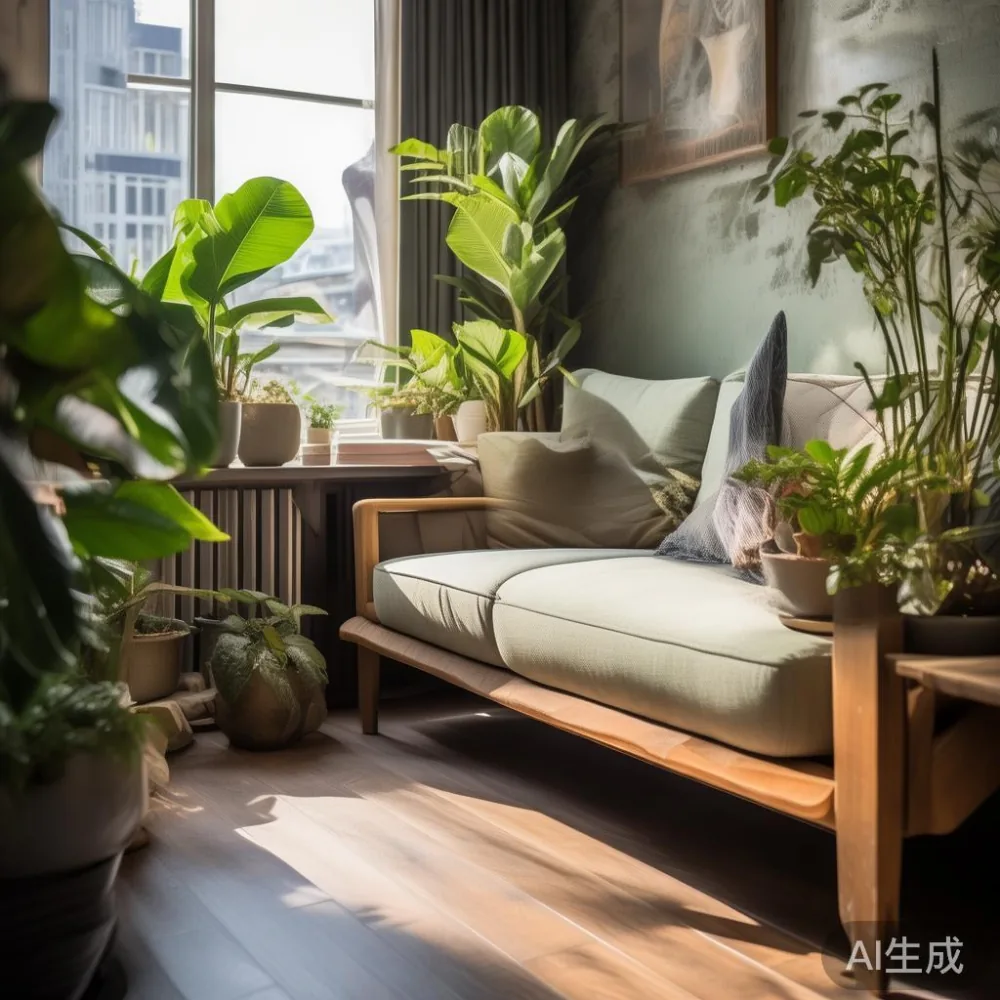
Across the industry, the term "sofa guide" has quietly become shorthand for the checklists designers and dealers use before they cut fabric or sign a purchase order. Light-luxury positioning has pushed those checklists longer, not shorter: a French light luxury sofa or an American light luxury sofa is built with deeper cushions, softer curves, and visible stitching that you cannot judge from a single product photo. The same applies whether you are shopping for a solid wood sofa, looking for sale French furniture, or browsing a bed frame, dining table, wardrobe, nightstand, or marble table on the same brand's catalogue. Let us walk through every measurement, document, and question you should demand before you pay a single Singapore dollar.
What is the exact outer and inner dimension of the sofa, in centimetres?
Every credible sofa guide starts with numbers, and that is where most Singapore buyers stop reading. A 3-seater is rarely 3-seater everywhere. Chinese factories often quote the glass-to-glass or wall-to-wall footprint, while European-influenced light luxury lines quote the soft-line measurement. The gap can be 10 cm to 25 cm. For a typical HDB flat in Bedok or a mid-sized condo in Tampines, an outer length above 230 cm will start to clip the dining table and crowd the tv console. Before you confirm, ask for four numbers on the spec sheet:
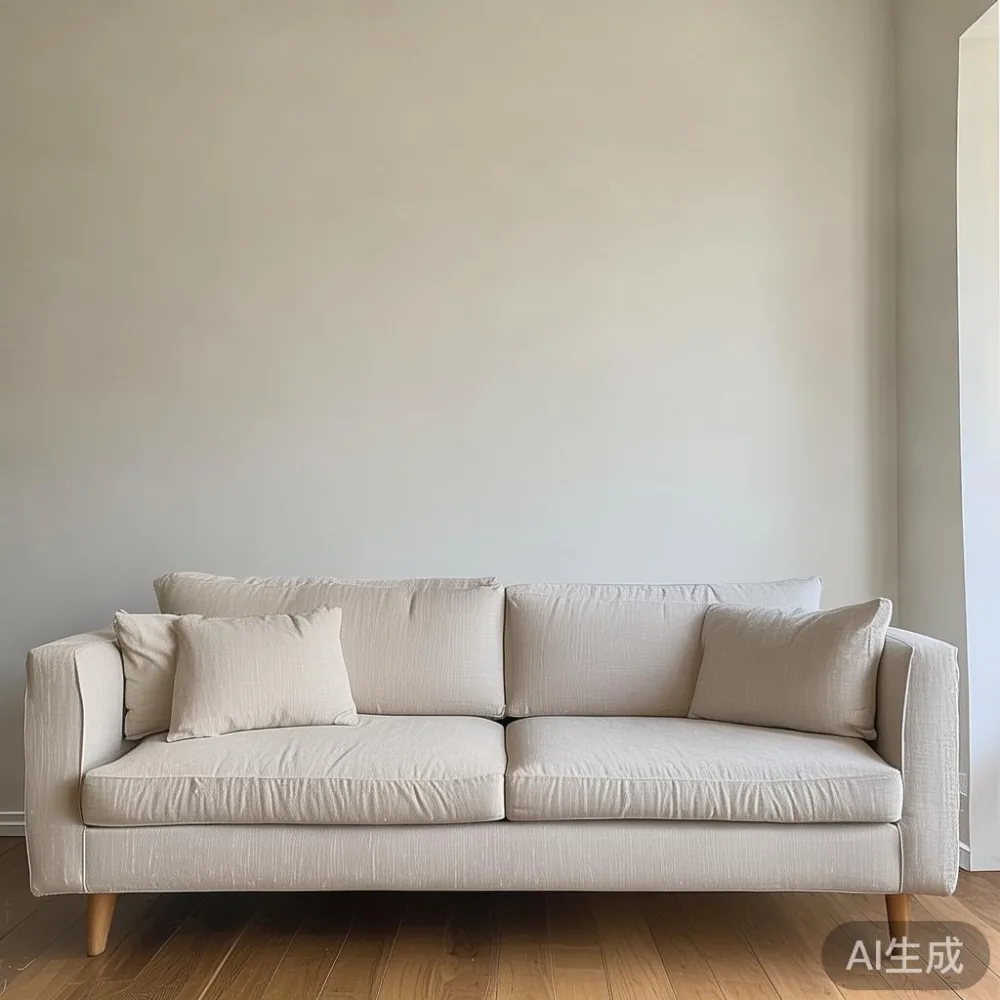
- Outer width (left arm to right arm, including any visible wooden leg or metal trim)
- Outer depth (back cushion to the front tip of the seat cushion)
- Inner seat width (the actual sitting area, frame to frame)
- Inner seat depth (front of the back cushion to the front of the seat)
A solid wood sofa with a French light luxury silhouette tends to add 4 cm to 6 cm to each outer side because the curved timber frame is exposed. A post-modern light luxury sofa with a low track arm usually sits closer to the inner seat width. If a salesperson only gives you one "size" number, treat that as a red flag. Ask for a CAD drawing or a dimensioned PDF. MIDHILL, for example, ships a spec card with every order that lists six measurements and the corridor-footprint calculation, which saves around 40 minutes of arguing with the driver on landing day.
Will it actually fit through the lift door and the HDB corridor?
This is the single largest source of sofa rejection in Singapore. Lift doors in most HDB blocks built before 2010 measure roughly 210 cm tall by 90 cm wide, and the cabin depth is about 130 cm. Corner sofa arms in the 240 cm to 280 cm range simply will not rotate inside. Modern condos with their upgraded cargo lifts do better, but you still need to verify. Here is the practical check sequence I recommend:
1. Measure your lift door (height and width) and your corridor width at the narrowest turn. Write the numbers on a sticky note.
2. Ask the supplier for the packed carton dimensions and the gross weight. A solid wood sofa frame in solid ash or oak can weigh between 55 kg and 95 kg before upholstery, so two delivery men are mandatory for anything over 70 kg.
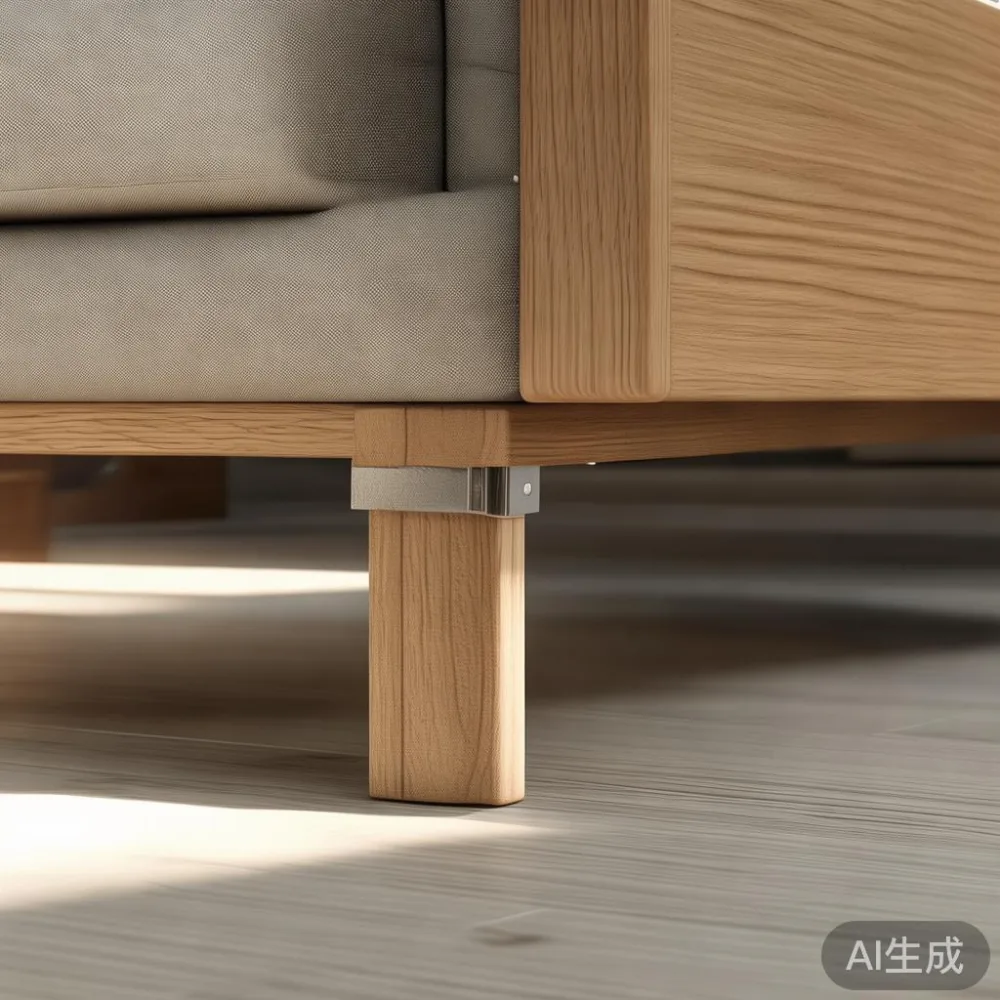
3. Confirm whether the legs are assembled on site or pre-fixed. Detachable legs save about 12 cm of vertical clearance.
4. Ask about the packaging. Some light-luxury sofas arrive in two cartons (frame plus cushion) which fits most HDB lifts. Others arrive in one bulky carton that cannot.
For landed property in districts like Bukit Timah or Sentosa, the bigger issue is the staircase turn. A 2.5 m L-shape with a continuous marble table top extension cannot pivot around a 1.4 m spiral staircase. Always do a dry run with a cardboard mock-up before you commit.
What does the frame, suspension, and cushion fill weigh in real kg?
Once the sofa clears your door, the next question is what is inside it. Weight is the most honest tell. A pine-and-fabric entry-level 3-seater weighs 38 kg to 48 kg. A French light luxury sofa with a kiln-dried beech frame, hand-tied eight-way springs, and a down-wrapped foam core will weigh 75 kg to 110 kg. That weight is not marketing; it is physics. Heavier frames survive the daily 28°C humidity swings and the constant air-conditioning cycling that Singapore homes put them through. Here is the breakdown I look for in a serious spec sheet:
- Kiln-dried hardwood frame (oak, ash, or beech). Avoid rubberwood if you plan to keep the sofa past year six.
- Suspension: sinuous spring at 8-gauge minimum, or hand-tied coil for premium ranges.
- Seat cushion: high-resilience foam at 32 kg/m³ density or above, wrapped with a feather-top layer if you want that French light luxury "sink-in" feel.
- Back cushion: fibre-filled or down-blend, never solid foam, which is what gives an American light luxury sofa its upright posture.
- Cover: removable and washable, or fully upholstered with zipped cushions for easier care.
One client of mine who runs a co-living space in Geylang learned this the hard way when her "light luxury" sofa frame cracked at month 14. The brand had used laminated pine wrapped in MDF. The replacement from MIDHILL, a solid wood sofa in white oak with a 10-year structural warranty, has now carried eight occupants through 1,400 nights without a creak.
Is light luxury sofa worth it compared with a generic modern sofa?
This is the comparison almost every Tampines and Punggol couple asks at some point: is light luxury sofa worth it, or should we save SGD 1,200 and buy a generic modern sofa? My honest answer is that it depends entirely on three variables: how long you plan to keep it, how often you entertain, and how much you care about the visual transition between your sofa, bed frame, and dining table. A light luxury sofa, whether French, American, or post-modern in lineage, offers a level of fabric finish, hand-tailoring, and frame weight that a generic modern sofa cannot match at the same price band.
That said, "light luxury" is a positioning term, not a quality standard. The category covers everything from a SGD 2,400 Chinese-made light luxury sofa with a curved plywood frame to a SGD 9,800 French light luxury sofa imported through a Singapore distributor with full customs duty and 9% GST added on top. If your budget sits below SGD 3,500 for a 3-seater, you are mostly buying a sofa that looks light-luxury on day one but uses mid-grade fillings. If your budget sits between SGD 4,500 and SGD 8,000, the light-luxury tier opens up properly: solid wood sofa frames, top-grain leather or high-grade boucle, and lifetime refinishing promises that keep the piece looking relevant past year ten. Above SGD 9,000, you are paying for provenance, designer name, and a Singapore showroom overhead, not necessarily for a structural leap.
The same logic applies to the rest of the room. A bed frame in matching light-luxury styling, a dining table on tapered solid wood legs, a wardrobe with soft-close hinges, a nightstand with marble table top accents, all of these read together. A solo light luxury sofa in a sea of generic furniture tends to look misplaced, so most buyers upgrade at least three pieces over an 18-month period.
How long is the warranty, what does it actually cover, and how fast do claims resolve?
Anyone can write "10-year warranty" on a product page. The real questions sit underneath the headline. A complete warranty conversation covers structure, suspension, cushion fill, fabric, and zipper or stitching defects, plus a clear claim window in days. Most Singapore consumers give up after a year, so claim resolution speed matters more than theoretical warranty length. Ask the brand three things:
1. What specifically is covered and what is excluded? Carried-in damages from self-assembly scratches are almost never covered.
2. Who pays return shipping and the technician visit fee? In Singapore, technician callouts cost SGD 80 to SGD 180 per visit.
3. What is the realistic claim turnaround, and is the replacement part shipped from local stock or from the factory in Foshan?
MIDHILL's 10-year structural warranty is paired with a lifetime refinishing offer on solid wood sofa frames, which means you can send the exposed timber back after year eight and have it re-stained, re-oiled, and returned for around 20% of the new-sofa price. Pair this with free shipping over US$350 (about SGD 470) and a 14-day return window that lets you test the sofa in your actual living room, and the post-purchase risk drops sharply. For comparison, a generic modern sofa bought from a marketplace usually offers 30 to 90 days of cover and charges SGD 60 to SGD 150 for pick-up on every claim, which is why many flats end up with mismatched replacement sections after year three.
What documents should arrive in the box, and what should you photograph on delivery day?
Even the best sofa guide cannot protect you if you do not document the arrival. Before the delivery team leaves your corridor, spend four minutes doing this:
- Photograph all six sides of every carton before opening.
- Open each carton in front of the driver and record a single 30-second video on your phone.
- Photograph the inner frame, the spring system, the corner blocks, and the leg hardware. These are the parts a generic warranty provider will claim are not visible from the outside.
- Photograph the foam density stamp if your cushions carry one. A HR foam core will usually be tagged with the kg/m³ number.
- Photograph any marble table or stone accent, then wipe it with a damp cloth to check for stains or pits.
- Keep the invoice, the spec sheet, and the warranty card in one PDF on your phone and one paper copy in the box.
This paperwork trail took about 12 minutes for a client of mine in Clementi when her light luxury sofa arrived with a 6 cm scuff on the chaise cushion. The factory accepted the claim within four working days because she had the photographic proof. Without it, the same claim typically takes three to six weeks and often ends in a partial refund rather than a full replacement.
Are you comparing the right sofa, or accidentally comparing a different sofa?
One trap I see repeatedly in Singapore is the French sofa vs Modern sofa comparison, where buyers price-shop across two categories without realising they sit in different brackets. A French light luxury sofa prioritises soft curves, cabriole or tapered timber legs, and a deeper seat depth of 60 cm to 68 cm. A Modern for dining room sofa prioritises clean lines, low backs, and a more upright seat depth of 52 cm to 58 cm. They feel different, they sit different, and they photograph different. Once you know which silhouette you actually want, the comparison narrows quickly, and your sofa guide question list shrinks from forty items to fifteen.
For 2026, the obvious trend is Bohemian and Mid-century influence. Search for a best Boho bed for 2026 or 2026 Mid-century modern furniture if you want your living room and bedroom to read together, and pair the chosen sofa with a dining table in matching tapered wood. Marble table accents continue to appear on nightstands and coffee tables, which ties a solid wood sofa frame to a marble stone top without breaking the room's warmth. Colour trends lean into sage, terracotta, oatmeal boucle, and pale taupe leather, but the underlying frame weight and warranty story remains the deciding factor for any Singapore buyer who plans to live with the piece for a decade.
Buying a sofa you cannot sit on is manageable, as long as you turn the showroom visit into a specification visit. Get the numbers in centimetres, get the frame weight in kilograms, get the warranty wording in plain English, and get the delivery process in writing. A solid wood sofa from a brand like MIDHILL, or any other Foshan-influenced workshop that publishes its dimensions and offers lifetime refinishing, will perform well past the standard five-year mark in a Singapore home. A generic modern sofa that wins on the unboxed photo but loses on the spec sheet will end up at the doorstep of a secondhand chat group within three years. Your sofa guide checklist is the difference between those two outcomes.