Sofa Guide: How to Choose the Right Size for a Singapore HDB Living Room
I still remember the afternoon I spent in a 4-room HDB flat in Tampines with my colleague Lin, helping her unbox a 2.4-metre solid wood sofa that simply refused to turn the corner near the kitchen door. The corridor was 1.2 m wide, the lift opening was 1.1 m, and the sofa box was 2.45 m long. We measured, re-measured, and finally carried the frame vertically through the HDB corridor after disassembling the armrests. That afternoon taught me that picking the right size for a Singapore HDB living room is not a guess — it is geometry, logistics, and a quiet respect for how a household actually lives. This sofa guide is built around those real measurements, real lift sizes, and the real floor plans you will find in Tampines, Bedok, and Punggol.
What "right size" actually means in a 4-room or 5-room HDB flat?
Most HDB living rooms in 4-room flats (roughly 90 sqm) give you a usable living area of about 3.0 m × 3.4 m after you subtract the air-con ledge and the TV console. A 5-room flat (around 110 sqm) usually opens up to 3.4 m × 3.8 m. Newer BTOs in Punggol like the Northshore developments sometimes go slightly larger, but the corridor outside your unit is almost always between 1.2 m and 1.5 m wide, and the lift car interior in most HDB blocks is around 1.5 m deep × 1.2 m wide with a door opening of about 0.9 m. Those numbers dictate the maximum single-piece sofa length you can deliver without disassembly, which is roughly 2.2 m for a non-modular frame and 2.4 m for a flat-pack solid wood sofa.
Before measuring the room, measure the access route. I tell every client the same thing: the sofa must clear the lift, the corridor turn, and the front door — in that order. A solid wood sofa with a kiln-dried oak frame will weigh between 60 kg and 110 kg for a three-seater, and you cannot safely tilt a 2.6 m frame through a 0.9 m door. This is why any serious sofa guide for Singapore has to start with the building, not the room.
Step-by-step: how to pick the exact dimensions for your living room?
Step 1. Sketch the room. Mark the window, the air-con ledge, the switch height (around 1.2 m from the floor), and the TV point. Standard HDB TV points sit about 1.1–1.3 m from the floor, which means your TV console will be 45–55 cm deep.
Step 2. Decide the walk-around space. You need at least 70 cm behind the sofa to clean and 80–90 cm in front of it to walk past the coffee table. If your living room is 3.0 m deep, a 90 cm-deep sofa with a 40 cm coffee table and a 60 cm walkway leaves you with only 10 cm of slack. Tight, but workable. A 85 cm-deep solid wood sofa with a 35 cm marble table gives you a more comfortable 90 cm walkway.
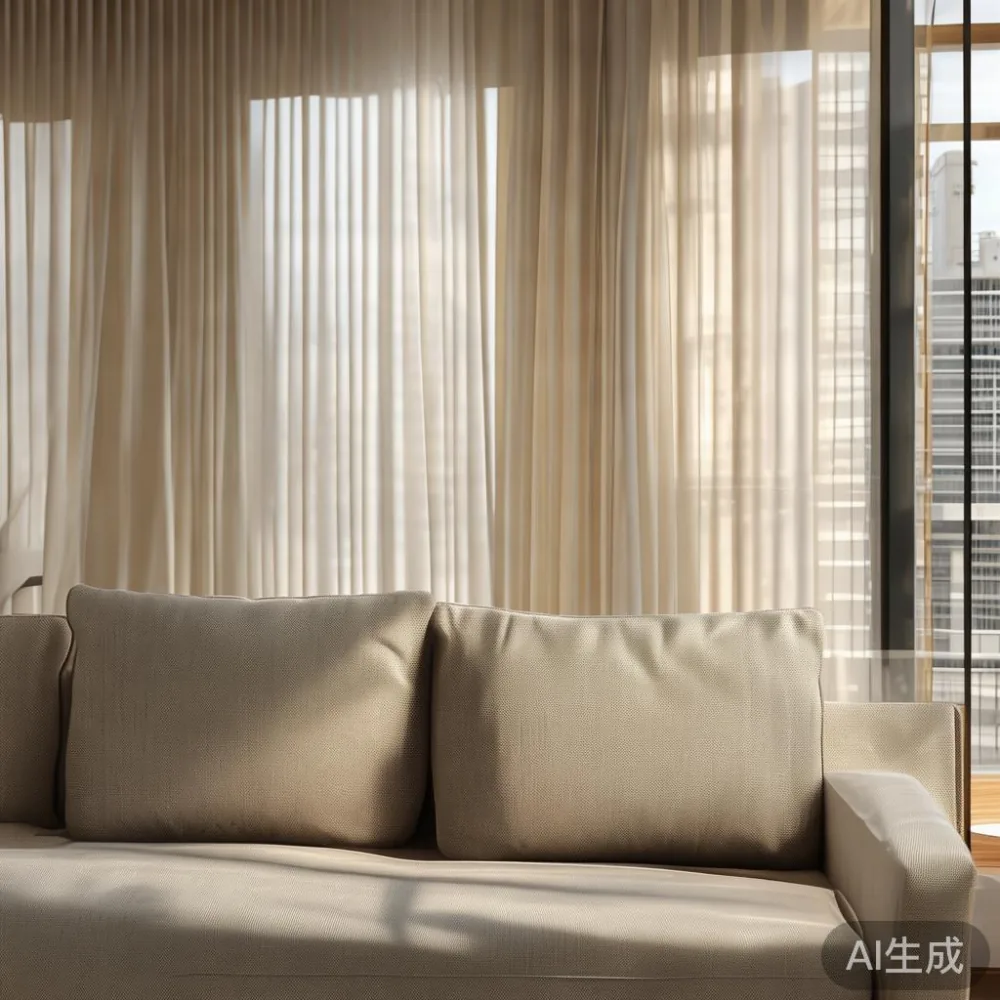
Step 3. Match length to wall. The most common HDB living-room wall runs 2.6 m to 3.2 m. A 2.1 m three-seater with 25 cm breathing space on each side looks balanced. A 2.4 m version looks intentional. A 2.7 m version starts to feel like a Condo-sized sofa in a HDB room, and you lose both the side table and the floor lamp.
Step 4. Check the lift one more time. In older blocks around Bedok, lift cars can be as shallow as 1.35 m. In newer Punggol blocks, expect 1.5 m+ depth and wider doors. If the frame is 2.5 m and the lift is 1.35 m, the sofa will have to come in two boxes — and you should confirm the seller splits the frame, not just the cushions. A reputable Foshan maker like MIDHILL ships its solid wood sofa frames in two clearly labelled cartons, so the backrest and the base are joined on site in about 20 minutes with the included Allen key.
Step 5. Think about the second piece. A two-seater loveseat at 1.5 m long often works better than a forced three-seater in a compact HDB. Pair it with a 120 cm round marble table and a 60 cm nightstand-style side table for the reading lamp, and the room reads as layered rather than cramped.
Which sofa style fits which HDB layout, and what should you budget in SGD?
For a typical Tampines 4-room flat, a 2.1 m solid wood three-seater in a Scandinavian for guest room-friendly linen-blend fabric lands between SGD 1,950 and SGD 2,400 before GST. Add a 120 cm round marble table for SGD 650–SGD 900, and a compact dining table for four at 1.2 m for SGD 850–SGD 1,150. The same room done in a Coastal for dining room palette — white oak frame, sand-coloured boucle, washed oak marble table — pushes the total to roughly SGD 3,600–SGD 4,500. Both totals include a 10-year structural warranty and free shipping over US$350, which translates to roughly SGD 480 and is well below what most Singapore customers spend on a single piece.
If you want the European light luxury bed vs Modern bed conversation to come up in your living room too, choose a sofa with a low-slung oak base, slim 8 cm armrests, and a 12 cm seat depth over a 45-density foam core wrapped in 80% goose down. This is the same construction language used in French light luxury sofas — clean lines, exposed solid wood, restrained metal details — and it travels well into a HDB setting because the visual weight stays low. The American light luxury approach is slightly more upholstered and cushioned, with deeper seats (60–65 cm) and rolled arms, which suits larger 5-room flats in Punggol where the living room can swallow a 2.4 m frame. The post-modern light luxury direction adds a single bold material — a travertine marble side table, a brushed brass lamp, an asymmetric bookshelf — and keeps the sofa itself quiet.
How do I keep a compact HDB living room from looking crowded?
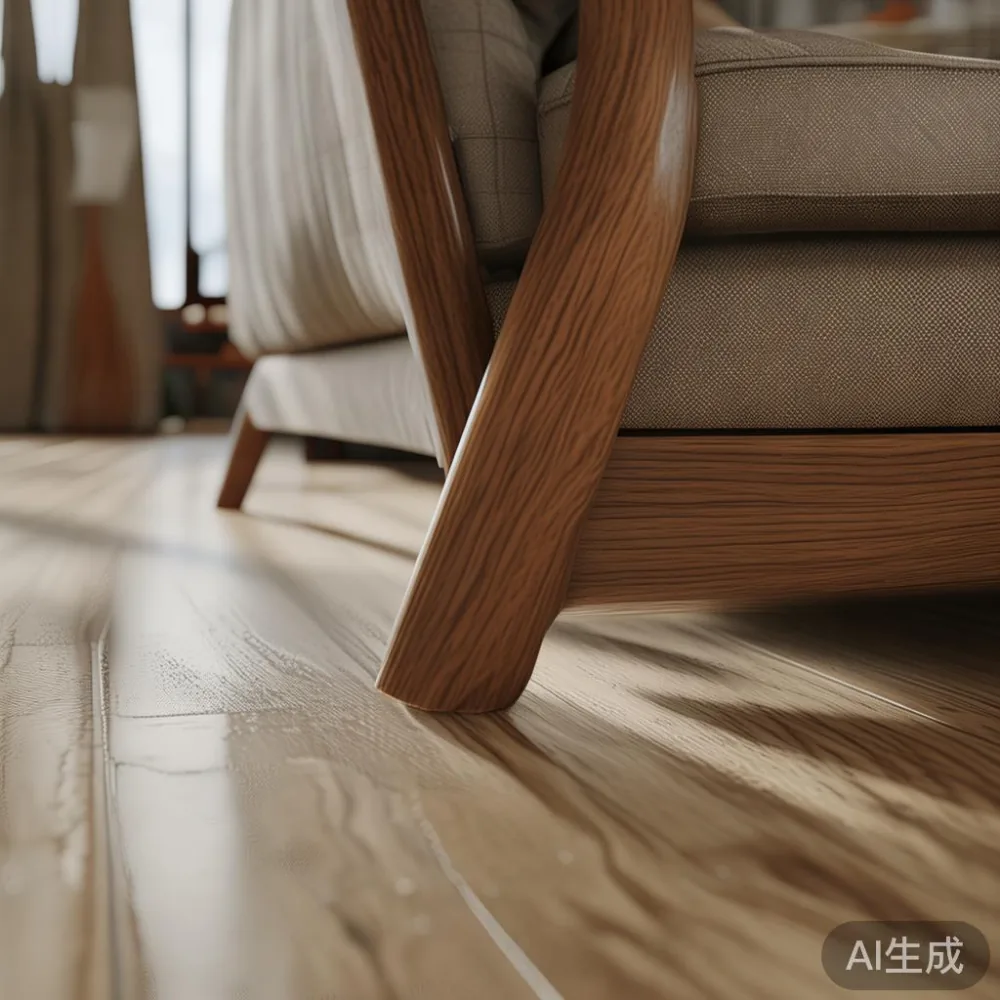
Three rules from the field. First, keep the legs visible. A solid wood sofa on a 15 cm oak plinth reads as furniture; the same sofa on a 5 cm recessed base reads as a wall. Second, pick a marble table under 35 cm deep if your walkway is under 80 cm. A 120 cm round marble table at 32 cm deep keeps the room open and still gives you a proper surface for trays. Third, match the wardrobe and dining table wood tone to the sofa frame. A mismatch of three brown tones in a 3.0 m × 3.4 m room is the most common reason a HDB renovation photographs smaller than it is.
For the bedroom, the same rule applies to your bed frame and nightstand. A 160 cm European light luxury bed vs Modern bed decision usually comes down to headboard height: 110 cm for a Modern look, 130–140 cm for a light luxury feel. Pair it with a 50 cm nightstand in the same oak, and the room reads as one composition instead of three purchases. MIDHILL bundles those three pieces — bed frame, two nightstands, and a six-door wardrobe — at package pricing that typically lands 18–22% below buying the same solid wood pieces separately, which is helpful when the renovation budget is already stretched by the kitchen and the air-con.
What about the small details that make a HDB sofa work day to day?
Seat height matters more than most buyers realise. The Singapore average adult sits comfortably at 42–45 cm, which is the industry default for a solid wood sofa, but taller households (both partners above 175 cm) often prefer 46–48 cm. Cushion firmness should be 35–40 density foam with a 4 cm down wrap, so the seat recovers after 6 hours of sitting and does not develop a permanent dent by month eight. Removable, washable covers are a quiet luxury in a HDB where the windows face afternoon sun — a beige boucle will not survive six months of direct west-facing light without covers you can send to the laundromat.
Weight distribution is another hidden factor. A 90 kg three-seater on a 15 cm solid wood plinth exerts roughly 2.4 kPa on the floor, well within HDB's 5 kPa design load, so you do not need to worry about structural approval. The same is true for a marble table at 55 kg or a 1.4 m dining table at 40 kg. If you are choosing a Modern light luxury for hotel-style setup in a condo, the 2.0 m version of the same sofa is usually enough to seat five adults comfortably, which is what most two-bedroom condos in Punggol and the Tanjong Pagar area actually need.
Where can a Singapore customer see the sofa before committing, and how does delivery work?
Most Foshan solid wood brands, including MIDHILL, operate by appointment through a Singapore partner showroom rather than a retail floor, because the price stays 30–40% lower without the overhead. You can book a 45-minute slot to sit on the 2.1 m, 2.4 m, and 2.7 m versions back to back and compare the seat depth, the backrest angle (101° to 105° is the comfort sweet spot), and the armrest height. From the visit I did last month at the MIDHILL viewing space in Tai Seng, the same solid wood sofa in oak, ash, and walnut was laid out side by side, and most customers settled on ash because it photographs lighter in a HDB with LED downlights.
Lead time from Foshan to Singapore is typically 28–35 days by sea, with the final 5 km done by a dedicated lorry that handles the lift and corridor. White-glove delivery to your HDB door is included on orders above US$350, and the 14-day return window means you can live with the sofa for two weeks and send it back if the size, comfort, or finish is wrong. For a Singapore customer buying a SGD 4,500 living-room set, that return window is the difference between an impulse and a confident purchase.
Is it worth paying more for a solid wood sofa over an MDF frame in a HDB flat?
Yes, for three reasons specific to Singapore. First, humidity. HDB flats run 70–85% relative humidity for nine months a year, and MDF swells at the joints once the veneer fails. Solid oak, ash, or walnut tolerates that range and can be re-sanded and re-oiled. MIDHILL offers lifetime refinishing on its solid wood frames, which means a SGD 2,200 sofa can look new at year twelve for a SGD 180–SGD 250 service fee. Second, weight. A solid wood three-seater is heavier, which keeps it planted on tiled HDB floors that get slippery when the air-con is on full blast. Third, resale. A well-kept solid wood sofa survives two or three HDB moves, while an MDF frame usually does not survive the first disassembly.
For readers still mapping their home — a two-seater for the study, a four-seater for the family room, a 1.5 m bench for the entryway — the same sofa guide logic applies: measure the lift, measure the corridor, sketch the room, and pick a frame that is built to be moved. If you are also wondering how to style Japandi sofa in apartment settings, treat the Japandi version as a Coastal for dining room sibling: low oak base, neutral linen, no metal, and a single warm accent like a travertine marble table. And if your timeline is 2026 and you want a sofa that will still look current, the best French sofa for 2026 is the one with the quietest profile — slim arms, exposed solid wood, and a cushion you can flip. That construction outlasts every trend and matches everything from a Modern light luxury for hotel bedroom to a Tampines family HDB. You can read the full spec sheet and book a viewing at midhillco when you are ready to measure your own corridor.