Sofa Guide: What to Check Before Buying a Sofa You Cannot Sit On
Buying a sofa online from a Foshan furniture maker thousands of kilometres away feels different from buying one in a Tampines Mall showroom. The cushions are sealed in vacuum bags, the colour sits behind a 1600-pixel photo, and the only opinion you have is your own. After fifteen years of helping Singapore households ship solid wood sofa, bed frame, dining table, wardrobe, nightstand, and marble table pieces from our factory in Guangdong, I have watched every mistake play out at least once. Last month I visited a friend in Punggol who had just received a 2.4-metre French light luxury sofa she could not fit through her HDB corridor door — a 3,800 SGD lesson she did not need. This sofa guide is built so you do not pay that tuition.
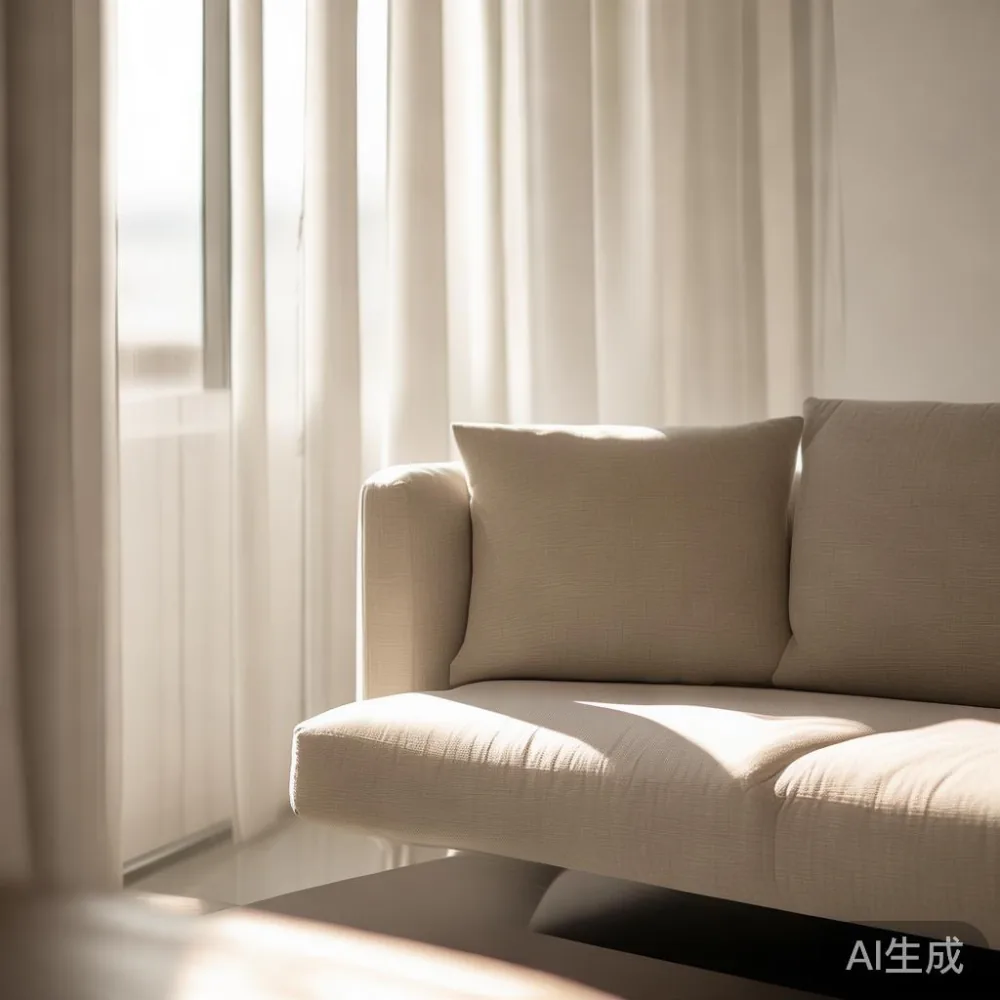
Why buying a sofa you cannot sit on changes every decision you make
When your hand never touches the foam, every sensory shortcut disappears. You cannot press the seat, you cannot flop backwards at 11pm, you cannot grumble that the lumbar feels shallow. So you replace touch with measurement, instinct with paperwork, and showroom lighting with a screen sRGB profile. In a Singapore HDB flat the room is typically 4.2 m by 3.6 m once you subtract the air-con ledge and the kitchen door swing. A sofa that swells past 2.2 m eats half the wall. A sofa that sinks below 80 cm seat depth floats in the middle of the floor like a lost ottoman. Numbers do the work that your bottom usually does.
Local context matters more than style sections admit. Corridor widths in most post-2010 HDB blocks run 1.2 m to 1.5 m. Passenger lifts on the East side usually clear 2.1 m deep and 1.1 m wide, though some older Bedok blocks still run on 1.0 m cabins. A 2.6 m L-shape cannot pivot inside those numbers, no matter how clever the courier. Always ask the seller for the two longest diagonal dimensions of the carton, add 12 cm for wrapping, and compare against your actual lift cabin, not the brochure.
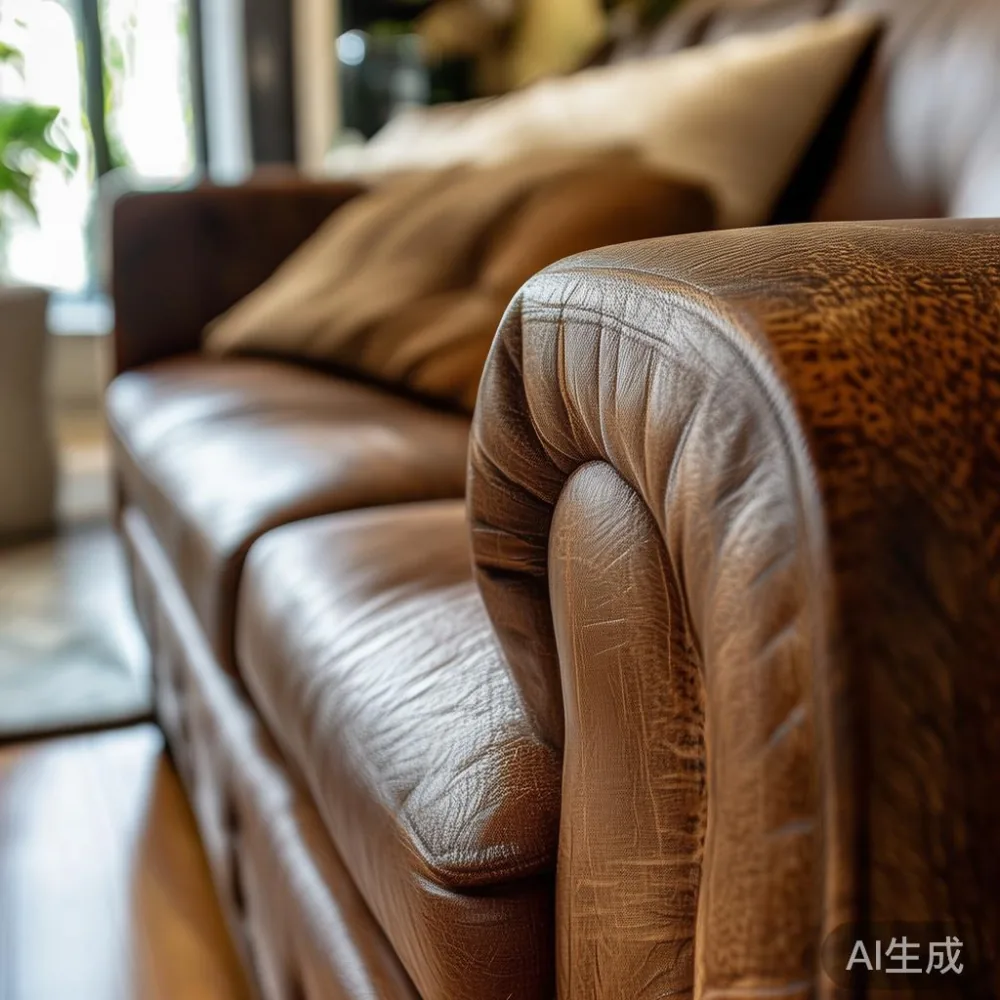
What should I measure before I click pay on a sofa?
Measure six things, write them on a single A4 sheet, photograph the tape against the wall. The list: (1) lift cabin depth and width at the handrail, (2) corridor turning radius from your unit door to the lift lobby, (3) front door frame width and height, (4) living room wall length where the sofa will sit, (5) ceiling height if you plan to wall-mount shelves above it, and (6) any air-con service panel position that restricts where the back can stand. One Tampines couple I worked with had a 2.3 m American light luxury sofa that fit the lift, slipped through the corridor, and then jammed inside their unit door because the frame stops at 81 cm. They returned it the same week, ate a 280 SGD re-stocking fee, and ordered a 2.1 m piece instead. The measuring took twenty minutes. The mistake cost three evenings.
Which sofa construction details actually survive 8 to 12 Singapore years?
Singapore punishes furniture. Humidity sits between 70 and 85 percent most days. Air-conditioning pushes temperature swings of 14 degrees across living zones. Children, durians, red wine, and the occasional Godzilla-cat climb on the cushions. Materials that look soft in a Shanghai showroom can warp, crack, or mildew here within two wet seasons. Three construction layers deserve a hard look before you commit.

First, the frame. A proper solid wood sofa uses kiln-dried hardwood — ash, oak, or beech — joined by mortise and tenon or dowel, never by staples alone. Plywood and block-board are acceptable in non-stress zones such as side panels, but the seat rails and back posts must be solid. Avoid frames that list MDF or particleboard in the stress path; they swell when a Window AC drip runs down the wall in December. Second, the suspension. Eight-way hand-tied springs are the gold standard, but sinuous S-springs spaced every 10 to 12 cm work fine for daily use if the gauge is 3.8 mm or thicker. Webbing alone feels soft for six months, then drops. Third, the cushion fill. High-resilience foam at 32 kg/m3 density wrapped in a feather-fibre topper keeps its shape. Pure feather sinks; pure foam feels like a yoga block. Ask the seller for the foam density in writing — every serious Foshan furniture factory I deal with supplies this number on request.
How do I read a sofa's online fabric and colour the right way?
Photos lie in three consistent ways: white balance, lens distance, and lighting direction. A fabric shot in a 5500K studio looks warmer on your iPhone at 6500K. A close-up that hides the weave scale will make a chunky bouclé look like a fine linen. A 45-degree side light in marketing copy flatters dust and wrinkles. Demand three things: a daylight shot near a window, a macro shot showing 1 cm of weave, and a video panning along the arm. Vendors who ship a sofa guide worth reading will already have these.
For Singapore light, prefer mid-tone greys, warm taupes, sage, terracotta, or a muted post-modern light luxury palette of powder blue, ink, and rust. Pure white and pure black soils faster than you expect — fine dust from the Punggol Digital District construction cycle will settle on cream linen like a five o'clock shadow. Performance fabrics woven from solution-dyed polyester resist red wine and Milo better than cotton blends, and they cost around SGD 280 to SGD 450 extra per 2.4 m sofa. For households with two or more children under ten, that upgrade pays back in the first curry.
What's the real cost of shipping a sofa from Foshan to a Bedok flat in 2026?
Sea freight from Guangdong to Singapore Port takes 8 to 14 days door-to-door, slower during Chinese New Year (Feb 2026 falls on 17 February, plan around it). Air freight is possible for small single-seaters but doubles the unit cost. Numbers you should pin down before paying: declared unit price in USD (for 9 percent GST calculation on the CIF value above SGD 400), marine insurance at 0.5 to 0.8 percent of cargo value, Singapore customs handling fee of SGD 25 to SGD 55, and last-mile delivery to your floor. Most Foshan factories quote shipping at USD 120 to USD 380 per cubic metre depending on density and destination port. A 2.4 m three-seater in solid wood sofa form typically occupies 1.6 to 2.1 CBM depending on carton design. Run the math: a SGD 2,400 sofa can land at SGD 3,050 to SGD 3,400 after GST 9 percent, shipping, and lift-up service. If your sofa order clears SGD 350, MIDHILL absorbs ground shipping to most Singapore addresses — an easy way to keep the bill single-digit.
Watch for hidden weight clauses. Some carriers bill by volumetric weight: length x width x height in cm, divided by 5000. A sofa frame weighing 68 kg gross can be billed as 110 kg volumetric, raising the shipping line by SGD 220. Always ask for the gross weight in kg and the carton dimensions, then compute both numbers yourself.
How do I judge a sofa brand I have never met?
Factories hide their real face behind polished storefronts. Five checks separate a 200-employee workshop from a 12-person trading office subletting in Longjiang Town.
- Years operating: anything below eight years carries real risk. MIDHILL has shipped from its Foshan base since 2008, which is long enough to have weathered two shipping shocks and one pandemic.
- Warranty in writing: a 10-year structural warranty on the frame, springs, and joinery. Lifetime refinishing on the wood surfaces. 14-day returns on standard pieces. If these are not written into the proforma invoice, they do not exist.
- Country count: a vendor shipping to 15+ countries has had more paperwork failures than a vendor shipping to three. Mistakes are the cheapest teacher in international trade.
- Transparent materials list: foam density, fabric Martindale rub count (look for 30,000+ for daily-use upholstery), spring gauge, frame species.
- Real showroom or live video walk: request a 10-minute WeChat or WhatsApp video of the actual frame being assembled. A small warehouse doing honest work rarely refuses.
Cross-check the brand with the Alibaba Gold Supplier years, the Dun & Bradstreet record if available, and YouTube for unboxing content from real buyers in your climate zone. Anyone shipping wholesale light luxury furniture to Europe and North America will already be visible in forum threads. Silence is a warning, not a privacy setting.
What sofa styles honestly fit a 4- to 5-room HDB in Tampines or Punggol?
Style discussion only matters once the measurements are honest. That said, certain looks earn their square metres in compact Singapore plans.
Post-modern light luxury. Curved silhouettes, brushed brass legs, and a mix of boucle and velvet panels. Works in 5-room Punggol flats where the living room runs past 5 m, because the curved back eats depth before you notice the wall.
French light luxury. Light ash or walnut frames, low arms, tufted seat back, and slim tapered legs. Sits well above the floor visually, which helps compact rooms breathe. A simple search for how to style French provincial sofa in apartment reveals the same recipe: a 90 x 180 cm marble table coffee table, a single linen-curtain panel per window, and one oversized mirror to bounce light from the air-con service void.
Scandinavian / Japandi. Light oak, low profile, straight arms. If you are weighing whether a Japanese sofa is worth it against a Scandinavian equivalent, the answer depends on floor depth. Japanese silhouettes run shallower (78 to 82 cm seat depth) and firmer, which suits upright dining-table-adjacent set-ups and earlier bedtimes. Scandinavian runs deeper (95 to 105 cm) and softer, which suits Netflix marathons. Both go with a Japandi bed in the master, a slim oak nightstand on each side, and a 6- to 8-door wardrobe in pale ash to keep the corridor light.
Returns, warranty, and the paperwork that actually protects you
Three documents must arrive with your sofa: a commercial invoice showing CIF value, a packing list tied to a serial number on the carton, and a warranty card naming the legal entity, the covered components, and the contact email. The 14-day return window works only when the sofa is in its original carton, with zero assembly, and you have booked the courier pickup within that period. Many buyers forget that returned international freight is paid by the buyer — budget SGD 220 to SGD 380 for a single sofa return from Singapore to Guangdong.
Lifetime refinishing sounds generous until you understand the scope: sanding, re-staining, and re-sealing on solid wood sofa arms, legs, bed frame headboards, dining table tops, and wardrobe facings. It does not include re-upholstery, foam replacement, or pet damage. Refinishing one dining table costs the brand roughly SGD 380 in labour and materials; they offer it because a refinished customer buys again. That same trust extends to the new best Scandinavian wardrobe for 2026 launches and the next marble table refresh.
Common sofa-buying traps I have personally watched play out
Trap one: the photo-matched frame. A 1,800 SGD sofa styled in a 60 m² loft can balloon to a 1,400 SGD sofa in a 16 m² HDB living area. Ask for a 4 m wide reference photo, not a 10 m one.
Trap two: the foam density dodge. A seller lists "high-density foam" at 28 kg/m3. That is entry-level. Ask for the number, and if they cannot quote it, walk.
Trap three: the "leather touch". Many cheap Italian light luxury furniture lines use a 0.6 to 0.8 mm split leather on contact surfaces and PU everywhere else. Real top-grain runs 1.2 to 1.4 mm. A candle flame held close for two seconds tells you — split leather curls, top-grain does not. Do not actually do this in a showroom; ask for the cross-section photo instead.
Trap four: the "white glove" delivery. White glove should mean delivery to the room of choice, carton removal, full assembly, and packaging haul-away. Anything less is curb-side.
Trap five: the sustainability story. Real chain-of-custody certifications carry a PEFC or FSC code printed on the certificate. Vague claims count for nothing in any resale conversation five years later.
My short checklist before you confirm any sofa order
- Tape measure, lift cabin, corridor, front door, room wall — all measured, all photographed.
- Frame species, foam density, spring type, fabric Martindale — all answered in writing.
- CIF value, marine insurance, GST 9 percent, last-mile, lift-up — all summed to a single landed SGD number.
- 10-year structural warranty, lifetime refinishing scope, 14-day return window, free shipping over USD 350 — all written into the invoice.
- Five unboxing reviews, one factory video walk, one cross-reference of the legal entity name.
A sofa purchased with these checks becomes a piece you stop noticing within a month — which is the highest praise a sofa ever earns. A sofa purchased without them becomes the centerpiece of a very long argument with your spouse about whether the coral pink worked after all. Spend the forty minutes. The next 4,000 evenings will thank you.