Singapore Home Sofa Cost: Veneer vs. Solid Wood Comparison
Choosing a sofa for a Singapore home is rarely just a matter of colour. In a compact HDB flat in Tampines or a newer condo near Punggol, the material affects the purchase price, delivery route, maintenance schedule and resale value over at least 5 years. Veneer can offer the appearance of timber with a lighter frame and lower upfront cost. Solid wood usually carries a higher price, yet it may make more sense for a well-used family room or for buyers who value repairability and long-term durability.
This sofa guide compares realistic budgets in SGD over a 5-year period. It considers a 3-seat sofa, routine cleaning, refinishing, repair risks and the practical constraints of Singapore lifts and corridors. A typical HDB lift door is about 90 cm wide, while many condo corridors measure 120–150 cm. A sofa body may arrive at 210–240 cm wide, so even a well-designed piece can require careful turning, leg removal or a checked-in delivery booking.
The figures below are planning estimates rather than quotations. They assume a new sofa, normal household use and Singapore GST treatment where applicable. The comparison focuses on furniture that must survive humid air, frequent touching, children, pets and occasional moving.
What is the real difference between veneer and solid wood?
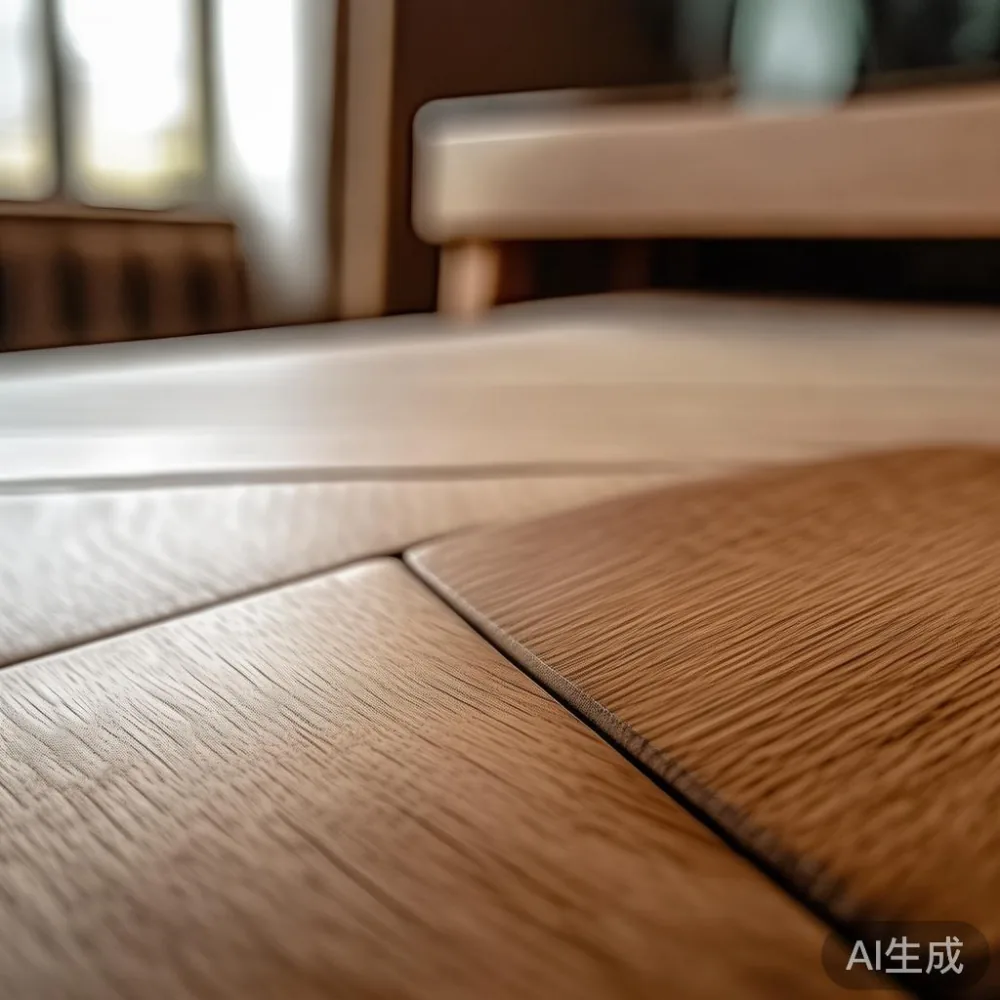
Veneer furniture uses a thin layer of real timber, commonly 0.6–1.2 mm, bonded to a stable engineered core such as plywood, MDF or particle board. The face can look like oak, walnut, ash or teak, but the visible surface is only the outer sheet. Solid wood furniture uses timber through the main structural sections of the sofa frame, although the seat cushions, back panels and decorative surfaces may still contain other materials.
That distinction matters when comparing a 5-year cost. Veneer is not automatically poor quality. A dense plywood core, careful edge sealing and good joinery can produce a stable frame for a Singapore apartment. The question is how the complete piece behaves after scratches, sun exposure, moisture and repeated assembly. A solid wood sofa frame with hardwood rails and properly glued joints may tolerate heavier repair, but the timber species and manufacturing method still determine actual lifespan.
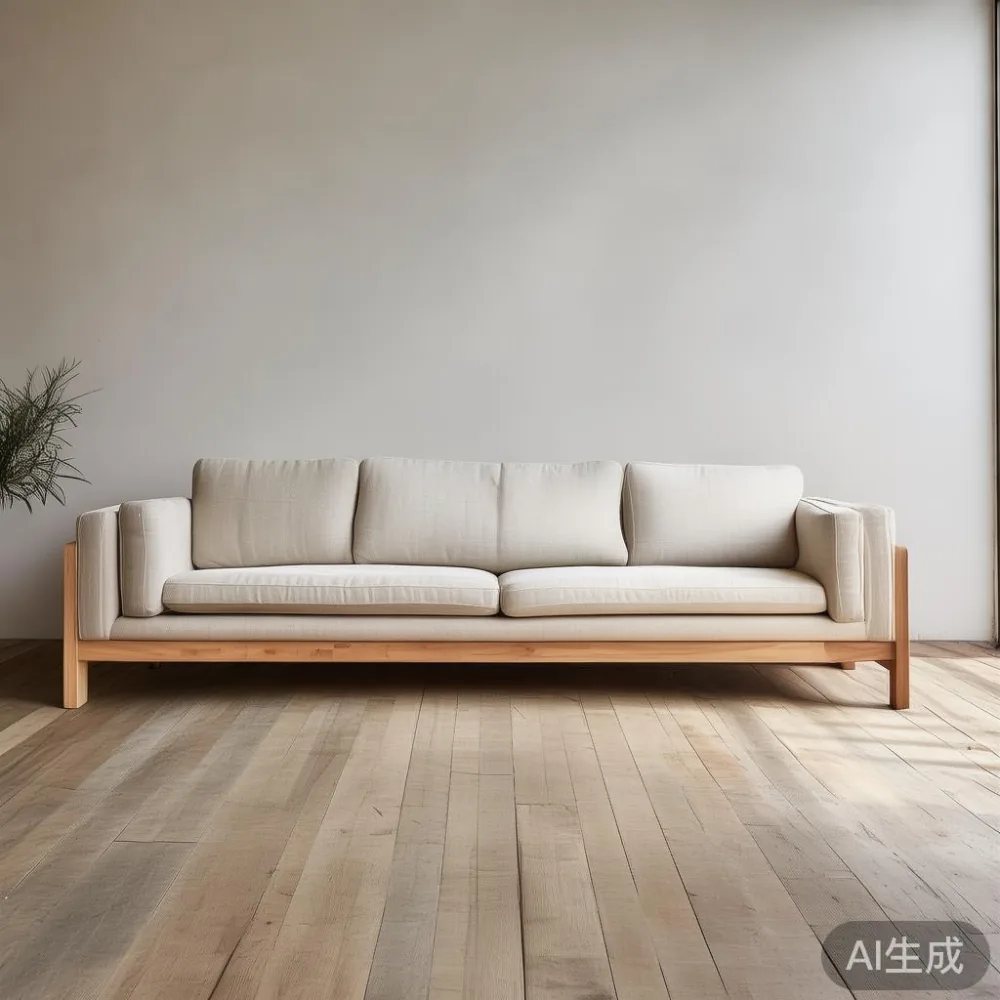
For a compact living room, veneer may also reduce weight. A 3-seat sofa in engineered wood may weigh 45–65 kg, compared with 65–90 kg for many solid wood versions. This can make a 4-person lift move easier, subject to the lift’s posted weight limit and the porter’s insurance conditions. It does not remove the need to measure the lift car, lobby and landing.
Solid wood has a different visual character. Its grain variation, small dents and softened edges can suit American light luxury, French light luxury or post-modern light luxury interiors, where natural material is treated as part of the room rather than hidden beneath a perfectly uniform finish. Veneer can achieve a cleaner, more controlled look, which works well in a condo with sharp architectural lines.
How much does a sofa cost in Singapore over 5 years?
For a standard 3-seat sofa, a veneer model may cost SGD 1,200–2,200 before delivery, while comparable solid wood models may cost SGD 2,000–3,800. Premium imported or hand-finished versions can reach SGD 4,500–7,000, but those figures should not be treated as a normal local benchmark. A bed frame, dining table, wardrobe, nightstand or marble table is a separate purchase decision; the same veneer-versus-solid-wood calculation should be adjusted for the product’s exposure to water, heat and weight.
A practical 5-year budget for a mid-range veneer sofa might look like this: SGD 1,600 purchase price, SGD 180 delivery and assembly, SGD 90 for protective pads and small hardware, SGD 120 for one repair visit, and SGD 150 for an authorised refinishing or colour-restoration service. The total would be approximately SGD 2,140, excluding any voluntary repair plan.
A comparable solid wood sofa may begin at SGD 2,700, with SGD 180 delivery, SGD 120 for moving and hardware protection, SGD 180 for one repair visit, and SGD 200 for sanding and refinishing within the first 5 years. That produces a total near SGD 3,380. The solid wood option starts higher, but the difference can narrow if veneer suffers swelling, delamination or repeated cosmetic repairs.
These are 5-year ownership costs, not resale values. A buyer who expects to keep the sofa for 8–10 years should divide the first cost by the expected service period. For example, SGD 2,140 over 5 years equals SGD 428 per year; SGD 3,380 over 5 years equals SGD 676 per year. Dividing by 10 years gives SGD 214 and SGD 338 respectively. The longer the intended use, the more useful that calculation becomes.
GST can change the displayed total depending on the seller’s registration and the buyer’s status. Singapore’s standard GST is 9%, so a registered business may add roughly 9% to a before-GST furniture price. Request an invoice that clearly states whether GST is included. MIDHILL quotes should also identify the sofa dimensions, frame material, finish, delivery charge and warranty period so a comparison is like-for-like.
Which material needs less maintenance in a humid climate?
Neither material is maintenance-free. A sofa should be kept away from direct afternoon sun where possible, wiped with a slightly damp cloth and dried promptly. Relative humidity in Singapore often changes quickly, so avoid placing a sofa against an air-conditioning vent or an exterior wall that collects condensation. Keep it at least 15–30 cm from a wall when airflow is limited.
Veneer needs special attention at edges, seams and screw holes. If the protective finish is breached, moisture can enter the core and cause swelling or darkening. Inspect every 6 months, especially around the armrests and lower rail where bags and shoes may bump the surface. Use a pH-neutral cleaner, not soaking water. Small marks can sometimes be treated with a colour-matched touch-up product, while a lifted veneer sheet may require replacement rather than a simple polish.
Solid wood tolerates surface marks differently. A shallow scratch may be sanded and refinished, while a deep dent can remain visible but may not affect the frame. Wood can also move slightly as humidity changes, so check that joints remain tight after 6–12 months. Avoid oiling a sealed finish unless the manufacturer recommends it. The same caution applies to a solid wood dining table or a solid wood bed frame.
In an HDB flat, families often clean with quick, frequent movements rather than deep scrubbing. That pattern favours a finish with a good sealed topcoat, but it also makes colour matching important. If a repair cannot blend perfectly, the cost is not only the service fee. You may also lose use of the sofa for 1–3 days.
What about delivery, lifts and corridor access?
Delivery can erase a material price advantage. Singapore’s dense housing requires measurements before purchase. Record the sofa’s widest point, height, depth, diagonal and packaged weight. A 220 cm sofa cannot necessarily enter through a 90 cm lift door; it may need to be turned vertically, carried on a staircase, or supplied in two sections. A sofa with removable legs and modular arms can reduce this problem, but the design must not compromise the frame.
For a Tampines HDB flat, a free-shipping offer may still exclude carrying charges, lift booking, stairs or remote-area delivery. A Punggol or Bedok condo may have a managed delivery calendar, a loading bay reservation and a contractor requirement. Confirm whether the courier carries one piece, two pieces or the whole carton. Ask for delivery in 3–7 working days after stock confirmation, rather than relying on a vague “fast delivery” claim.
MIDHILL’s free shipping threshold of US$350 appears designed for international orders and should not be assumed to apply automatically to every Singapore order. The local quotation should state the SGD delivery fee clearly. If a buyer needs a scheduled delivery window, budget an extra SGD 80–200 for a premium slot or a second attempt.
Solid wood sofas are heavier, so access planning can be more expensive. Veneer may fit into a smaller lift car more easily, yet engineered cores can still be damaged if dropped or dragged. Ask the porter team to use blankets and corner protection. Photograph the sofa on arrival and check it within 24 hours.
How do scratches, repairs and refinishing affect the 5-year total?
Let’s model two ordinary households. Household A has one adult and one cat. The sofa is used daily, with occasional claw contact and no children. Household B has two adults, two children and a dog. Both own the sofa for 5 years. The difference is not material alone; use pattern changes the repair outcome.
For Household A, a veneer sofa purchased at SGD 1,600 may need one SGD 60 touch-up and one SGD 80 hardware adjustment, giving a total of SGD 1,740 before delivery. A solid wood sofa purchased at SGD 2,700 may need one SGD 120 sanding job and a SGD 90 joint inspection, giving a total of SGD 2,910. Household B’s veneer sofa may require SGD 180 for edge repair, SGD 120 for a replacement foot and SGD 150 for refinishing, while the solid wood sofa may require SGD 250 for two dents, SGD 100 for a loose rail and SGD 180 for refinishing.
These examples show why “solid wood lasts longer” is not enough. Ask what is covered, how long the repair window lasts and whether replacement parts are available. A 10-year structural warranty is more useful when it identifies the load-bearing frame, excludes cosmetic issues and states the claim procedure. A lifetime refinishing promise is valuable only if the service terms, shipping charges and eligibility are written down.
My colleague in the furniture trade inspected a sofa for a client in Bedok last month. The piece looked like solid walnut but was a walnut veneer over plywood. Two lower veneer chips had lifted near a child’s play area. The frame remained stable, yet the repair estimate was SGD 210 including labour and colour matching. A similar solid oak repair on a neighbouring sofa was SGD 160 because sanding and blending were simpler. The visit reminded me to inspect the underside, edge banding and fasteners—not just the showroom sample.
Which option fits HDB and condo interiors?
A veneer sofa can work well in a smaller HDB living room where the owner wants a light visual footprint. Choose a pale oak or ash finish, a raised leg design and a seat depth of 52–58 cm. Avoid a very bulky frame if the main route has a 90 cm lift door. Keep the sofa 10 cm away from curtains and ensure the arm width does not block the walkway.
Solid wood can suit a larger condo or a family room that receives daily use. It gives a stronger impression of permanence and can be repaired at the surface. For French light luxury interiors, a warm oak finish with curved arms may pair with a marble table, linen curtains and muted lighting. For post-modern light luxury, solid wood with clean lines can balance a marble table without making the room feel heavily decorated.
Material choice should follow the building’s access conditions and the household’s expectations. Buyers comparing international product descriptions should understand phrases such as luxury light luxury furniture, light luxury furniture china and Italian light luxury for hotel. Those terms describe design direction, but they do not replace a clear frame specification or a local warranty document. A hotel project may also require commercial-grade testing that a household sofa does not need.
For a bedroom, the same principles apply when comparing a wardrobe or bed frame. Search for how to choose Italian light luxury wardrobe by checking drawer construction, hinge ratings, wall anchoring and finish care—not only the door profile. A product name such as MIDHILL French provincial wardrobe should be accompanied by dimensions such as 180 cm width, 58 cm depth and a stated timber or veneer composition.
What should I look for before paying for a 5-year sofa?
Ask for the frame specification in writing. For solid wood, identify the species and whether the term covers the legs, rails, back structure and seat support. For veneer, state the veneer thickness, core material and edge-sealing method. “Solid wood construction” should not mean that every visible component is solid timber; some manufacturers use solid wood only in selected parts.
Check the dimensions against the route. A sofa may measure 230 cm wide, 88 cm high and 95 cm deep, with a packaged weight of 72 kg. Ask whether the legs detach and whether the arms are removable. Confirm the lift booking, delivery day and return policy. A 14-day return window can help if the colour looks different in your flat, but check whether a used sofa, delivery fee or return collection is excluded.
Compare the warranty and service history. A 10-year structural warranty should state what structural failure means. Lifetime refinishing should define whether it applies to the frame, a visible panel or the entire sofa, and whether the owner pays for transport. Keep receipts, finish samples and maintenance notes for at least 5 years.
Some buyers use a similar search phrase when browsing for sale Rustic furniture, yet a rustic appearance does not guarantee a solid frame. Ask whether the knots and grain are natural, printed or reproduced in veneer. For a coffee table, verify the top thickness and whether it is solid wood, veneer, MDF or marble. A MIDHILL coffee table should come with dimensions, load information and care guidance.
How do I decide between veneer and solid wood?
Choose veneer when the budget is fixed, the sofa will be moved more than twice, and the household accepts that cosmetic damage may require panel or colour repair. Choose solid wood when the sofa will stay in one home for 7–10 years, the family uses it heavily, or preserving visible marks and refinishing has a high emotional value. Neither decision should rely on a showroom finish alone.
A sensible veneer 5-year ceiling is roughly SGD 2,200–2,800 including delivery, minor repairs and one refinishing visit. A solid wood 5-year ceiling may be around SGD 3,200–4,200 under the same assumptions. If the quoted solid wood price is only SGD 300 higher, the longer ownership period may justify it. If it is SGD 1,200 higher, inspect the frame specification carefully and compare it with a high-quality plywood alternative.
Measure, test and document. Sit on the sofa for at least 10 minutes, check the seat height, look beneath the dust cover, test every joint and ask for the material breakdown. For a Singapore home, access, finish and service can matter as much as the headline timber name. A carefully selected veneer sofa can serve 5 years well; a poorly made solid wood sofa can still disappoint sooner.