How to Protect Lacquered Furniture in a Tropical Singapore Home
Lacquer can give a solid wood sofa, bed frame, dining table, wardrobe, nightstand, or marble table a polished depth that suits both French light luxury and American light luxury interiors. It also needs a little discipline in Singapore, where heat, humidity, rain, and coastal air can affect furniture faster than in a temperate climate. This guide explains how to clean, protect, and restore lacquered surfaces without sanding away the finish.
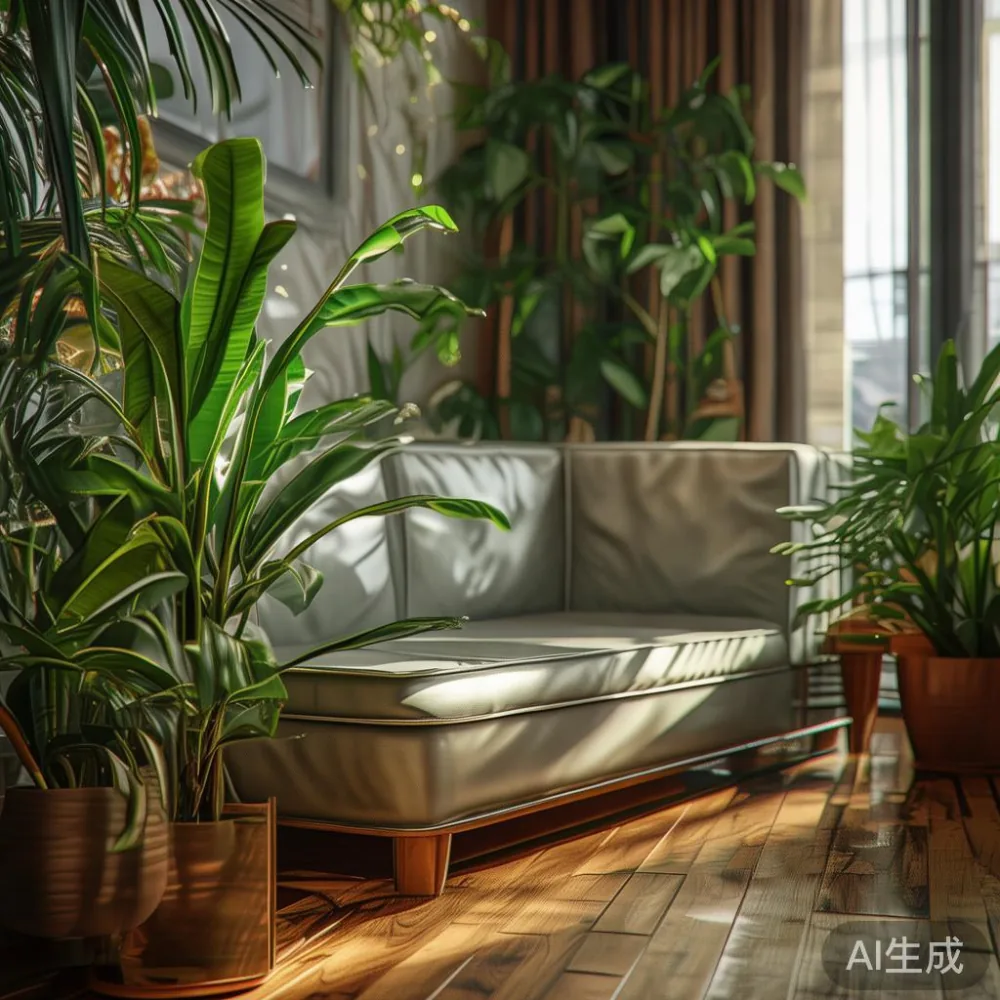
The advice applies across a 45 sqm HDB studio, a 90 sqm Bedok family flat, and a Tampines or Punggol condo with larger windows and more direct sunlight. For delivery planning, allow 7–14 delivery days after production, and check that a sofa package can fit through lift doors of at least 90 cm and along common HDB corridors before confirming the final route.
Why Does Humidity Affect Lacquer in Singapore?
Lacquer is a clear or tinted coating applied over wood, metal, or another prepared surface. High humidity does not automatically ruin a good finish, but it encourages swelling under old finishes, slower drying after cleaning, condensation around metal hardware, and mould growth if cushions or debris remain against the frame.
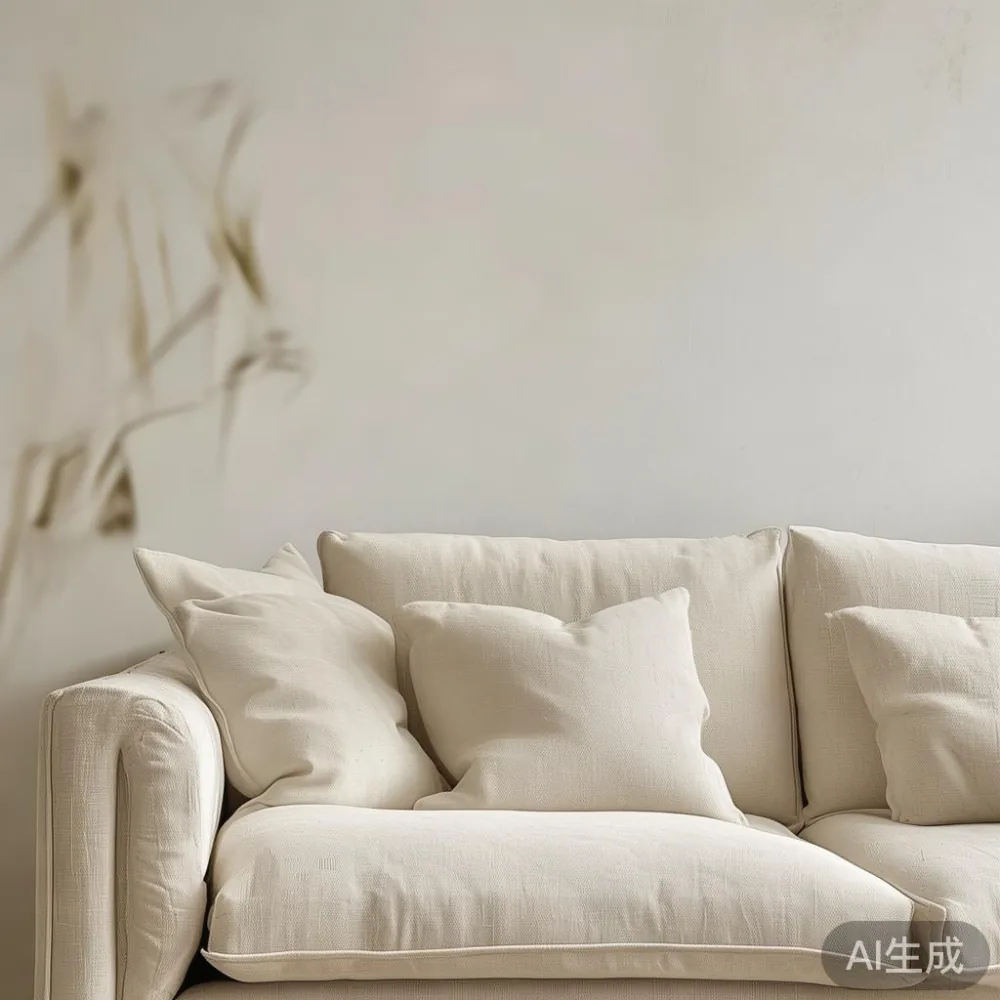
Singapore’s monthly relative humidity often ranges from roughly 65% to 90%. Aim to keep furniture away from persistent dampness while allowing normal ventilation. Leave 8–10 cm behind a lacquered wall unit, 10–15 cm from a curtain that may touch the coating, and at least 30 cm from a floor-level exterior wall in a ground-floor Bedok unit.
Air-conditioning helps because it lowers both temperature and moisture in the room. Aim for about 24–27°C and 50–60% relative humidity where practical. A hygrometer costing SGD 25–60 makes monitoring easier. Open windows during drier periods, use fans for air movement, and wipe condensation from glass and lacquer within 30 minutes rather than leaving it overnight.
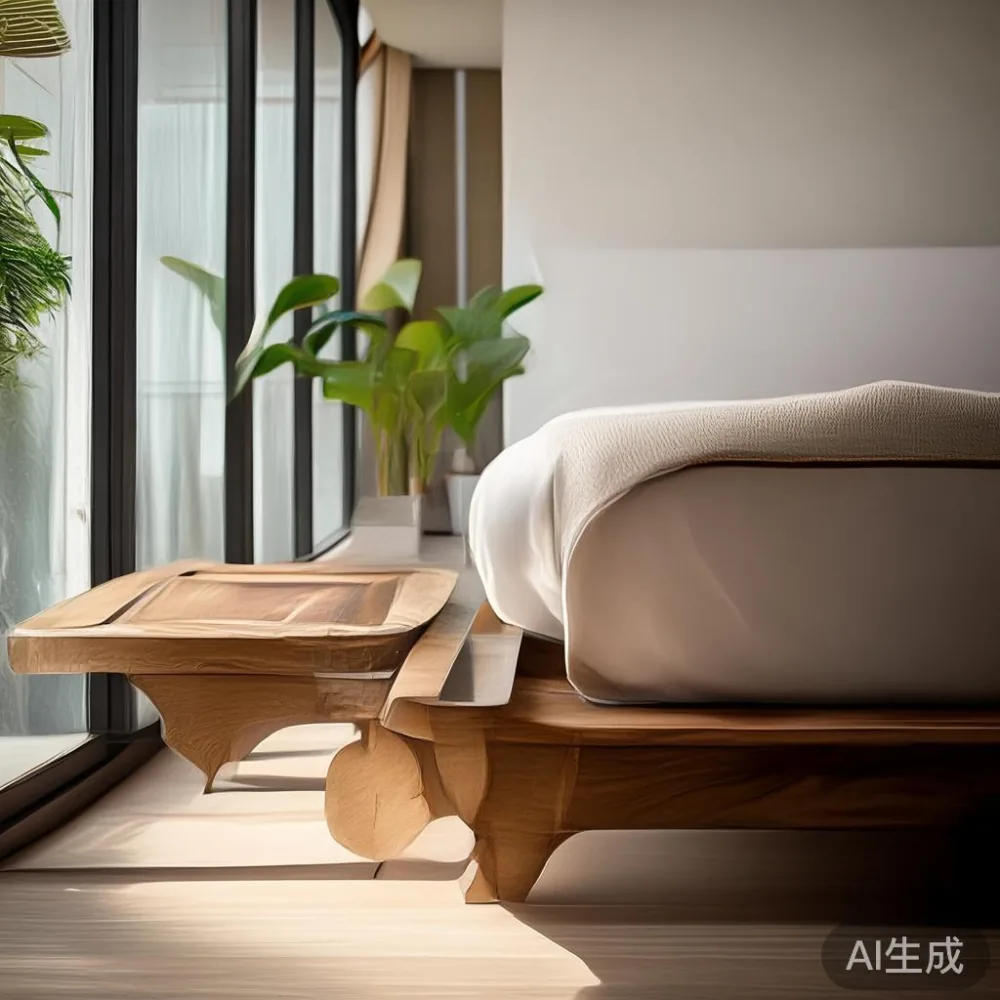
Direct sun is a separate concern. UV exposure can shift dark stains toward amber and weaken some clear coatings over 3–5 years. Curtains with a 30%+ UV rating, blinds, and occasional movement of the sofa can reduce exposure. Do not place a glossy piece against a west-facing window where sun reaches it for more than 60 minutes a day.
What Makes a Lacquered Surface Easy to Damage?
Fresh lacquer may feel hard while remaining sensitive for 21–30 days, depending on the coating, layers, room temperature, and airflow. During that period, avoid dragging objects across it, stacking dinner plates on a dining table, or resting damp cleaning cloths on a wardrobe or nightstand.
Small risks add up in an HDB home. Shopping bags, homework, laptop cables, keys, pet claws, and water rings all matter. Hot cups can leave a mark when they sit above about 60°C. Citrus drinks, alcohol, oily hand creams, and plant food can attack some resin finishes. Alkaline cleaners may create haze on lacquer, while abrasive pads leave scratches that become visible under evening lighting.
Use a protective mat measuring about 45 × 30 cm beneath a table lamp, a 5 × 30 cm strip under a glass, and 10 × 18 cm felt pads beneath decorative objects. Felt helps distribute loads, but it should not remain damp beneath a pot or vase. Change a pad every 6–12 months when compressed, dirty, or loose.
Transport and lifting deserve equal attention. Photograph the lacquer before delivery, pad every edge with 3–5 cm of protective foam, and lift the furniture rather than pulling it through a corridor. A 220 cm three-seat sofa may require the lift to be tilted; protect one armrest with a 220 cm moving blanket and use straps rated above 80 kg. Confirm the package weight against the lift panel’s posted limit, commonly 600–1,000 kg, before moving it.
How Do You Clean a Lacquered Surface Safely?
Start with a dry microfibre cloth approximately 30 × 30 cm. Dust first because grit can scratch lacquer when mixed with water. Wipe from one edge to the other in long strokes, with light pressure, rather than circling the same patch 20 times.
For routine cleaning, mix 100 ml of mild, pH-neutral dish detergent with 1 litre of lukewarm water. Dip a clean cloth into the mixture, wring out almost all the water, and test it on a concealed 5 × 5 cm area. Wipe with a second damp cloth, then dry immediately with a soft towel. Keep at least 5 cm of liquid away from joints, seams, and any exposed wood.
Never use a soaking cloth, a spray bottle aimed directly at the finish, a scouring sponge, a wire brush, or household bleach. Excess water can enter a lacquered wood frame and cause swelling beneath the coating. For a marble table, test the cleaner on the lacquer and confirm that the marble has been sealed; acidic liquids can still etch the stone.
A practical routine for Singapore is 5 minutes of dry dusting every 3 days, a damp wipe every 2 weeks, and a more careful clean every 2–3 months during the wetter months. Wipe up spills within 10 minutes. For a ring mark, use a lightly damp cloth and mild detergent, then dry around the mark. If the mark remains, stop rather than rubbing harder; that is a job for professional refinishing.
Is American Bed Worth It?
That question is often framed through bedroom style, yet maintenance is equally important in a compact Singapore room. In an American light luxury scheme, a lacquered bed frame can support a calm focal wall, but its care routine must suit high humidity and limited floor area.
A king bed measures about 180 × 200 cm, so allow another 10–15 cm on each side and 60–90 cm at the foot for bedding access. In a studio, a queen at 150 × 200 cm may be more workable. Check the mattress and frame before delivery through an 80–90 cm lift opening, and use a protective wrap of 3–5 mm around lacquered corners.
The phrase is American bed worth it appears in style comparisons because buyers want to know about presence, materials, and longevity, not just appearance. For a lacquered option, confirm the finish coverage, warranty exclusions, and humidity instructions. A solid wood sofa offers a softer comfort point, while the bed frame establishes the room’s vertical rhythm. Compare measurements before choosing: a wider mattress can obstruct ventilation, so keep at least 5 cm of clearance beneath the frame where moisture can dry.
How Do You Fix Heat Marks, Fading, and Small Marks?
Repair depends on the defect. A water ring may respond to gentle polishing, while a deep scratch, blister, or peel needs a recoat or replacement panel. Do not apply toothpaste, baking soda, furniture polish, olive oil, or a solvent that has not been approved by the finish supplier.
For dull streaks, clean the surface again with fresh water and dry it with a lint-free cloth. If the coating feels uneven, place a clean cotton cloth over the area and warm it gently with a hairdryer held at least 30 cm away for 10–15 seconds. Test this method on a hidden area first. Heat is not suitable for peeling lacquer, blistering, or damaged edges.
For scratches, isolate the dusted area, clean it with the mild solution, and dry it. A clear wax made specifically for lacquer may reduce the visibility of a hairline mark on some finishes, but test it on a 5 × 5 cm patch for 24 hours. Wax changes reflection and can make a repair stand out. Keep the wax 5 cm from joints and never use it on a marble surface unless its maker permits it.
Fading is usually caused by UV exposure and needs careful colour matching rather than household treatment. Peeling and bubbling indicate moisture, contamination, or a preparation problem, often appearing after 2–5 years in humid conditions. Photograph the area with a ruler, record the furniture purchase date, and ask the manufacturer to assess it. Do not cover peeling lacquer with tape; the adhesive can pull away more coating.
How Should You Move Furniture During Tropical Weather?
Move lacquered furniture during a dry 2-hour window, after running the air-conditioner for 30–60 minutes. Rainy periods increase the chance of wet shoes, dripping umbrellas, and humidity trapped inside packaging. If the building’s corridor is wet, protect the route with a clean sheet and have 2 people carry the item rather than allowing wheels to scrape through standing water.
For a lacquered dining table, remove the top if the manufacturer allows it. Carry the base and top separately, protect the corners, and keep fingers away from edges. For a wardrobe or nightstand, empty drawers and shelves first; a single drawer containing 10 kg can distort a rail over time. For a sofa guide, check the route from the lift to the living room, including door handles, skirting boards, and a 90-degree corridor turn.
A post-modern light luxury room often places one polished dining table beside a solid wood sofa with clean architectural lines. That contrast depends on stable surfaces. Use a stable tray for drinks, felt pads beneath the table, and coasters made of cork or stone rather than rough fabric. Keep a lacquered wardrobe away from sliding doors that slam in humid weather and from damp towels stored directly below it.
What Should You Check Before Buying or Placing Lacquer Furniture?
Ask for the finish type, curing time, approved cleaners, repair process, and humidity guidance in writing. Confirm whether “lacquered” describes a clear coat over solid wood or a factory-applied sealed surface. That distinction affects touch-up work, especially in a home with children, pets, or frequent visitors.
Measure the furniture and route before purchase. For a dining table, allow 90 cm around each side where possible and at least 75 cm between chairs and walls in the main passage. A 200 cm dining table may be difficult to move into a 90 cm lift, even when the sofa was easy to deliver. Record lift door width, corridor width, corner clearances, and package weight; send the measurements to the supplier at least 7 days before dispatch.
Luxury French provincial furniture often uses warm wood, carved profiles, and softer silhouettes, while French light luxury tends toward restrained contrast and fine finish control. Those styles can be practical in a condo when lacquer is used on selected pieces rather than every surface. For a guest room, French provincial for guest room is a useful design direction, but protect pale lacquer from tea, lipstick, and hand contact. A marble table may be paired with a lacquered dining table, though the two materials require different cleaners.
How Do French and Modern Furniture Styles Affect Care?
French light luxury often reveals every fingerprint on a high-gloss surface. In a Tampines family flat, that means keeping a 30 × 30 cm microfibre cloth in the dining room and using coasters consistently. A matte or satin finish may show fewer prints, but it should not be assumed to tolerate harsh solvent cleaners.
Modern Modern light luxury furniture can look minimal while relying on precision surfaces. Clean edges matter because a high-contrast lacquer joint highlights accumulated grime. Post-modern light luxury may mix a solid wood sofa, a lacquered dining table, and a marble table; each material needs its own maintenance schedule rather than one shared product.
For comparison, European light luxury bed vs Modern bed is less about the name on the drawing and more about frame construction, dimensions, finish coverage, and aftercare. A European-inspired bed may have decorative mouldings that trap moisture in humid air; a modern bed may have flatter panels that wipe clean more easily. Ask how the frame is sealed underneath, where ventilation is provided, and how long warranty repairs take.
What Is a Simple Care Routine for a Singapore Home?
Make a small care kit with 2 microfibre cloths, a soft brush with bristles about 10–15 mm long, a pH-neutral detergent, 6–8 felt pads, and a hygrometer. Store the kit in a dry drawer rather than beside a sink. Keep one spare cloth available so a dirty cloth is never reused on a lacquered dining table.
Every morning, check for water rings, crumbs, and insect marks. Every evening, return objects to coasters and trays. Weekly, dust lower edges and corners. Monthly, inspect a wardrobe or nightstand for dampness and a solid wood sofa for fabric spills. Twice a year, check silicone joints, moving parts, and any colour change near windows.
Set a reminder for 3, 6, 12, 18, and 24 months after delivery. Record the finish condition in photos under daylight and at night. Small changes can then be identified before they become costly repairs. MIDHILL’s 10-year structural warranty addresses structural concerns, while surface wear depends on care, placement, and the specific finish; keep those terms separate when documenting a claim.
For buyers comparing options, the phrase best light luxury sofa for 2026 should be read as a style-and-care question, not a shortcut past measurements. Check seat width, armrest clearance, frame material, finish details, delivery access, and the aftersales process. A solid wood sofa from MIDHILL should be selected for fit and use as much as appearance. Similar checks apply to a lacquered bed frame, dining table, wardrobe, nightstand, or marble table.
When Should You Call a Professional?
Call the maker or a qualified refinisher when a scratch has reached the substrate, when lacquer lifts in sheets, when a bubble appears, when a whole panel changes colour, or when moisture has entered the joint. A small white haze may be surface contamination, but peeling and deep separation need assessment. Do not wait 6 months; store the piece away from wet weather and capture clear photographs of all affected sides.
Before scheduling service, remove movable objects and clean only the surrounding dust. Provide the purchase date, finish name, delivery note, room temperature, humidity reading, and a timeline of the damage. Keep pets and children away for at least 24 hours after solvent-based work, and follow the coating’s cure time, often 7–21 days, rather than judging the result on day 1.
In Singapore, prevention is the most economical part of lacquer care: controlled humidity, filtered sunlight, dry cleaning, measured movement, and a route checked before delivery day. These habits preserve the clarity of a lacquered surface while allowing the warmth of solid wood and the quiet refinement of light luxury interiors to remain visible.