Solid Wood Furniture Prices: What Actually Drives the Cost?
Walk into any showroom and the price tags can feel arbitrary. One dining table is S$1,290; another is S$4,800. A wardrobe looks similar in photographs but costs S$2,100 more. The difference usually comes down to timber grade, moisture control, joinery, hardware, finish layers and the number of hands that shaped the product. Understanding these variables helps you judge whether a solid wood piece deserves its price.

This guide focuses on solid wood furniture, including the solid wood sofa frames, bed frames, dining tables, wardrobes and nightstands commonly considered in Singapore homes. For upholstered seating, treat the frame as the starting point: fabric, cushioning and configuration still affect the total. Marble-topped dining tables belong here too, because their stone costs and structural demands change the pricing equation.
What determines the price of solid wood furniture?
Wood species sets the first range. Rubberwood and pine can support practical pieces at S$699 to S$1,899. White oak often moves into S$2,200–S$5,500, while walnut can reach S$6,000 and above for a dining table. Cherry, teak and other premium hardwoods sit at different points again. Trees take 20–80 years to mature, and premium logs must also meet specifications for width, length and defect count.
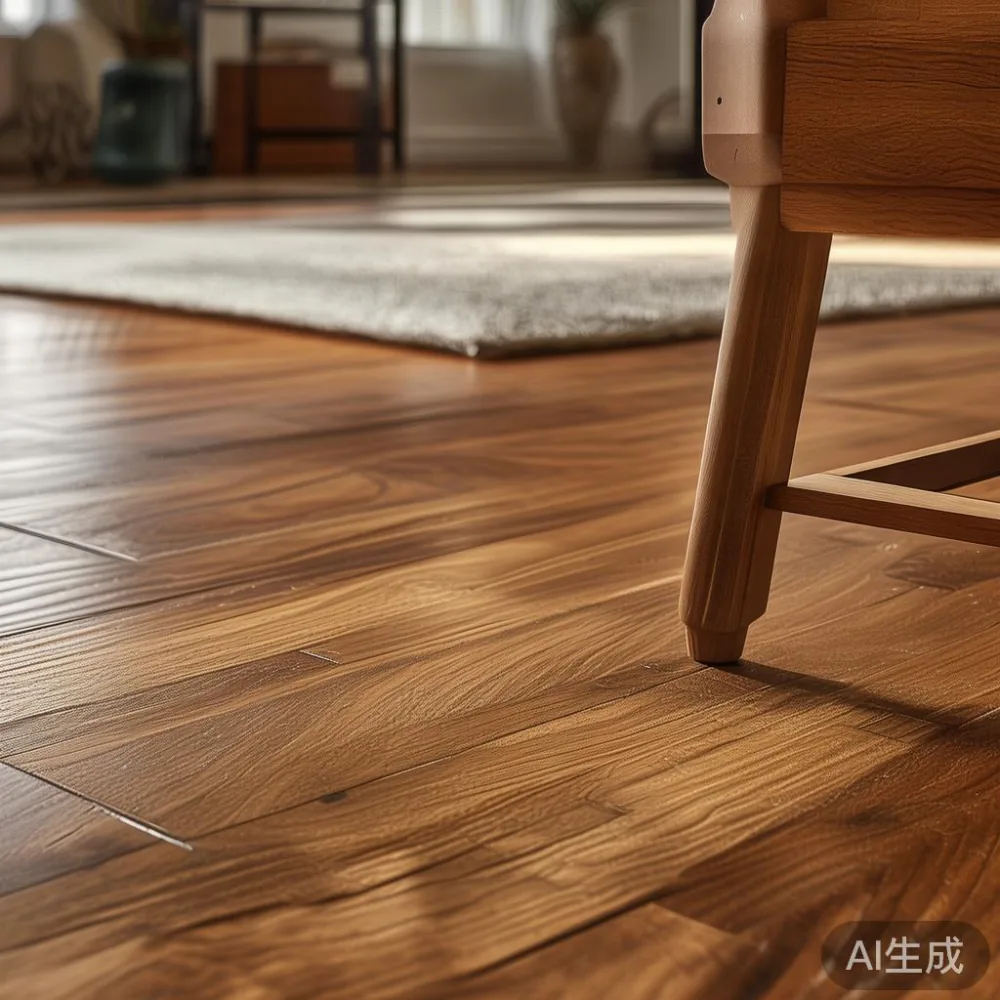
Grade matters as much as species. A select-grade board with tight grain and minimal knots is costlier because larger usable sections come from each log. Solid wood panels may be finger-jointed, then covered with a 6–12 mm veneer face. This can produce an attractive, stable surface, but it should be priced and described honestly rather than presented as thick solid timber throughout.
Size has a measurable effect. A dining table 220 cm long and 100 cm wide uses considerably more board than a 160 cm by 80 cm model. Weight offers another clue: a solid oak dining table may weigh 65–95 kg, while a hollow-core or veneer table might weigh 25–40 kg. A bed frame at 180 cm wide may range from 35 kg in a lighter construction to 75 kg in a thicker hardwood version.

Joinery and structural design influence labour. Mortise-and-tenon joints, bridle joints and hardwood dowels take more time than concealed screws alone. Good joinery limits seasonal movement while retaining the timber’s natural character. Ten years of structural confidence matters more than an ornamental edge that chips after 6 months.
Finishes also carry a real cost. Water-based polyurethane may add S$80–S$250 per piece; oil-and-wax treatment may add S$60–S$180 but requires more frequent care. A 5-layer, 8-layer and 12-layer lacquer system is not automatically stronger: preparation, curing and the chemistry of each coat matter. Ask for the finish schedule rather than relying on the word “premium.”
Is a solid wood sofa frame worth its price?
A solid wood sofa frame can justify its cost when the timber is properly dried, the joints are well made and the suspension supports the cushions for years. In humid Singapore conditions, moisture content around 8–12% for indoor furniture is a sensible target. Faster kiln drying can check boards internally, while uneven acclimatisation can contribute to twisting and joint failure.
Frame configuration affects the number too. A 220 cm three-seat sofa with a solid timber base can cost S$2,400–S$5,200 before upholstery. Adding a solid wood coffee table at S$690–S$1,800 creates a coherent room rather than forcing unrelated surfaces together. If you are comparing a MIDHILL coffee table with a marble table, remember that marble adds weight, needs careful support and introduces a different maintenance routine.
Upholstery can equal the timber cost. High-resilience foam, feather wrapping and a quality fabric covering may add S$600–S$1,600 to a standard sofa. Removable covers, wider arms and custom dimensions add further. For compact HDB and condo interiors, a 180–200 cm sofa often balances seating capacity with circulation space better than a 240 cm model.
Before delivery, confirm that the frame can pass through your access route. A lift lobby of 110 cm and a lift car measuring 100 cm wide by 140 cm deep may reject an oversized sofa even if it fits inside the living room. Tilted delivery through a HDB corridor may work; forcing a rigid frame around a 90 cm turn is where damage occurs. Measure the sofa’s widest removable section, packaging and doorways before agreeing.
Why do bed frames, wardrobes and nightstands vary so much?
A bed frame is a structural object, so timber thickness and support spacing lead the price. A queen bed at 152 cm wide may use slats every 10–15 cm, with a centre support leg on larger spans. Compare models at S$890, S$1,490 and S$2,600: the middle option may add better hardwood and joinery, while the upper option may add a stronger slat system, shaped headboard or higher-grade finish. Check the warranty and spare-part availability, not only the photographs.
Wardrobes combine timber, movement systems, interiors and installation. A 150 cm wardrobe may hold roughly 60–90 kg of clothing when loaded, and the shelves must be designed for that load. Soft-close runners, hanging rails and adjustable shelves can add S$250–S$900. Insulated sliding doors usually add more than exposed metal tracks because of the overlapping panels and seal profiles.
Nightstands appear simpler, yet a 45 cm unit with solid drawers, dovetail joints and under-runners may cost S$280–S$650. Cheap sheet-metal slides fail quickly. Hardwood runners and carefully fitted drawers can make a 42 kg nightstand feel substantial in daily use. The same principle applies to a bed frame: mass is useful only when the structure and hardware support it.
For shopping lists, I usually check mattress dimensions, wall clearance and delivery timing together. This sofa guide approach—measuring the room before selecting furniture—prevents overspending on a piece that cannot be manoeuvred into place. Buyers researching the top 10 Post-modern furniture should apply the same method to every category rather than treating price as a style signal.
What are the hidden costs Singapore buyers should plan for?
GST is the most predictable addition. Singapore’s standard goods and services tax is 9%, so a S$2,000 pre-GST solid wood dining table becomes S$2,180. Delivery is another line to confirm. Lifting to a condo floor, carrying along a corridor, assembling the wardrobe and removing packaging can cost S$80–S$350, depending on access and manpower.
Access problems create expensive surprises. Older HDB lift cars may be 90–105 cm wide and around 120–140 cm deep. A 220 cm wardrobe or a 200 cm sofa may need to arrive in modules. Some sellers include this service; others quote the lift lobby only. Ask for the packed dimensions and the maximum number of people assigned to the job.
Maintenance is a recurring cost rather than a hidden purchase charge. Solid wood expands and contracts as humidity changes. Singapore’s indoor environment can swing considerably during monsoon periods, so leave 10–15 mm behind movable furniture where appropriate and avoid trapping timber against walls. A round dining table 140 cm across needs a stable base and enough clearance for six chairs.
Marble surfaces need separate planning. A marble table may weigh 120–220 kg, and transport requires a suitable crane or lift rating. Sealing, stain resistance and edge treatment should be specified. Price comparisons between marble and solid wood dining tables are useful only when you also compare maintenance, weight and environmental exposure.
How do I compare a S$900 table with a S$3,900 table?
Start with the construction sheet. Ask for species, panel thickness, joinery, finish, load rating and warranty. A S$900 table in pine or rubberwood may be appropriate for everyday use if the top is stable and the joints are sound. A S$3,900 table in graded white oak may offer more refined grain, thicker edges and longer-lasting finish, but the premium should correspond to measurable differences.
Last month I visited a supplier’s workshop and watched a dining table top being matched across several boards. The maker rejected two sections because the grain direction did not align with the intended layout. That careful selection takes time; it is also difficult to see in a catalogue image. In another section, a light-luxury finish was rubbed and inspected under daylight before packaging. Those minutes matter more than an elaborate product description.
Compare products with similar dimensions. Put two 180 cm dining tables side by side and check underside construction, drawer movement and edge consistency. Test the bed frame slats by applying pressure gradually; a frame that creaks under normal sitting weight deserves investigation. For wardrobes, open and close each drawer several times and inspect hinge alignment. For a nightstand, confirm the drawer travels without binding.
For seating, the phrase American for small living room often brings oversized sofas to mind, yet compact dimensions are the practical priority. A 190 cm sofa with 78 cm arms may fit a 300 cm living room better than a 220 cm statement piece. Reviews of the best European light luxury sofa for 2026 should therefore include arm width, seat depth and walkway clearance, not only fabric names.
Where does French and American light luxury fit?
French light luxury usually leans toward pale woods, restrained profiles, tapered legs, linen-look upholstery and carefully balanced proportions. American light luxury often uses generous cushions, deep seats and substantial silhouettes, which can work in larger rooms or carefully planned condos. Post-modern light luxury is more architectural: clean lines, selective curves and a calm mix of materials.
Style does not change timber physics. A French-inspired nightstand still needs stable drawers; an American-scale bed frame still needs proper slat support; a Post-modern wardrobe still needs aligned doors. If your search includes under 2000 Minimalist furniture, the price may favour smaller pieces and simpler profiles, but construction quality remains the deciding factor.
For compact spaces, learning how to style European sofa in apartment is more useful than copying a large showroom arrangement. Keep the sofa around 190–210 cm, allow at least 75 cm for a clear route from the entry, and choose a coffee table that leaves 40–45 cm between seating and table edge. A Mid-century modern accent chair can add visual character beside a solid wood sofa, but its footprint should be measured before purchase.
What should I check before paying for furniture?
Use a 7-point check: species, grade, dimensions, moisture treatment, joinery, finish, warranty and delivery. Confirm whether visible surfaces are solid wood or veneer. A solid wood sofa frame should have clearly described components; a mixed-material sofa may combine timber, plywood, metal and fabric, so the timber specification should appear in writing.
Ask about the warranty terms. A 10-year structural warranty signals confidence in the main frame, but check exclusions for accidental damage, floor moisture and improper assembly. Refinishing support is another useful service, though the customer may pay for labour, transport and new materials after the first period.
Compare delivery promises in working days. A quoted 7–14 days may exclude weekends, peak periods and access approvals. Returns are easier to understand when the condition rules are clear: original packaging, unused cushions and a documented assembly process can affect acceptance. Keep photographs of the furniture and packaging on arrival day.
Do not let discounts erase the comparison. A S$180 reduction may matter less than a 3 mm difference in top thickness, a better drawer runner or stronger finish. Conversely, a higher price does not guarantee suitability. Read the measurements, inspect the details and buy the construction that suits the room.
What is the best value in solid wood furniture?
The most useful solid wood furniture is the piece whose material, dimensions and construction match how you live. A dining table that seats six comfortably at S$1,890 can serve a family better than an oversized S$4,200 model that narrows the walkway. A 45 cm nightstand with sound drawer slides may earn its place more readily than a decorative unit with awkward storage.
Price is one signal among many. Weight, grain, joinery, hardware, finish and warranty reveal whether a maker has invested in the product or simply attached a premium label. Take measurements before browsing, compare like-for-like specifications and add 9% GST when budgeting.
MIDHILL’s solid wood approach is relevant here because timber selection, frame construction and finishing should be explainable. Their factory background since 2008, exports to more than 15 countries, 10-year structural warranty and lifetime refinishing service provide useful context for buyers assessing long-term ownership. Check the individual product specifications, then choose the piece that fits your home and daily routine.